Building brands at the speed of culture: what global marketing misses in Latin America
November 13, 2026
by
Arturo Aguilar
Most global brand strategies treat Latin America as an echo chamber: translate the master deck into Spanish and Portuguese, reallocate a slice of linear TV spend into generic social video, and expect relevance.
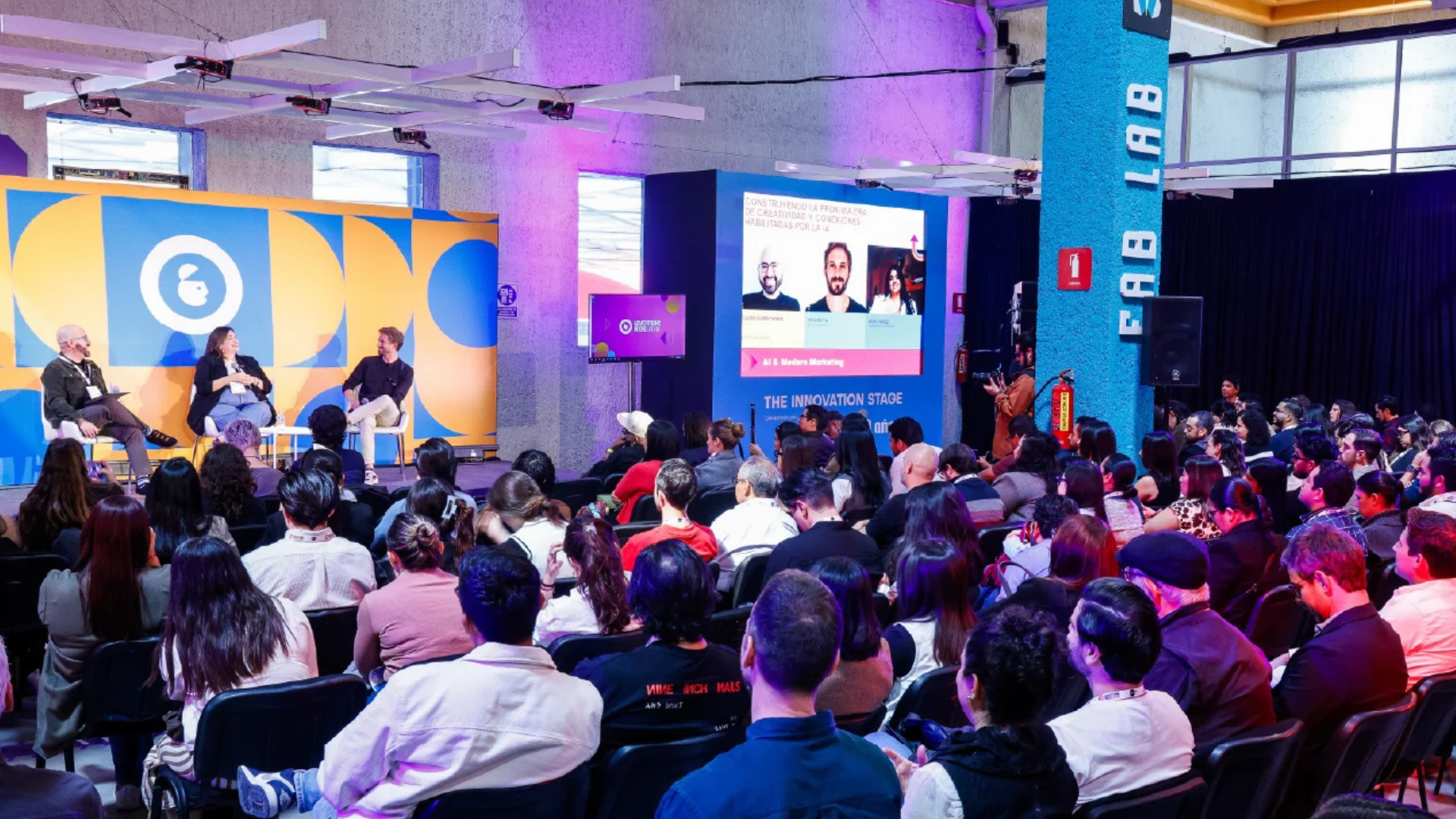
Listening across the stages at AdWeek LATAM in Mexico City, the industry is openly admitting that this playbook is failing.
The commercial center of gravity has shifted, leaving traditional marketing frameworks behind. Between debates on creator burnout, answer-engine commerce, and unified screen time, the sharpest conversations in the rooms zeroed in on three major operational challenges:
1. The Fandom Effect vs. The Algorithmic Treadmill
The industry has spent years chasing velocity. Brands rushed to mimic trending audio clips, deploy overnight memes, and rent quick influencer mentions.
That sprint is burning out creative teams and delivering empty reach. When a campaign latches onto fleeting formats, audiences spot the transaction immediately and keep scrolling.
Enduring commercial value belongs to the fandom effect.
The most effective creators across markets like Mexico and Brazil operate as community architects. They have spent years building dedicated digital ecosystems rooted in mutual trust, hyper-local humor, and distinct rituals.
When brands partner with these creators as genuine collaborators — relinquishing rigid, centralized script control to embrace regional context — they stop buying temporary attention and begin earning cultural equity.
2. The AI Shelf: When Your Consumer Stops Searching and Starts Asking
Generative technology has rapidly evolved beyond internal workflow efficiency. The fundamental change is consumer behavior: buyers are bypassing traditional search bars and querying AI assistants directly.
Fresh data on the ground shows that one in four people in the region already query conversational models in their personal lives for everyday decisions — ranging from wellness and insurance to personal finance and lifestyle purchases.
This creates a new point of sale: the AI Shelf.
When a consumer asks a conversational engine for a recommendation, your business is either legible to that system or completely invisible.
Search engines used to reward technical optimization and superficial ad spend. AI models, by contrast, look for proof. They synthesize consensus, citing brands backed by authentic third-party validation, structured evidence, and active community presence.
Prompt tricks cannot engineer that footprint. It requires real-world authority built across culture.
3. The Total Video Reality: Audiences Over Inventory
Legacy media plans still divide television into rigid buckets: linear broadcast, premium subscription apps, and ad-supported streaming.
Viewers have collapsed those boundaries entirely. In Mexico, 81% of streamers use the television screen as their primary display, logging 25 hours each week across connected devices.
For the person holding the remote, there is no technical divide between broadcast, free ad-supported streaming TV (FAST), and on-demand video. It is all simply viewing. Nine out of 10 streamers actively use ad-supported tiers, and over half already rely on free streaming channels alongside their paid subscriptions.
The real friction has shifted from platform access to discovery. Viewers spend an average of 13 minutes struggling to choose what to watch, with two out of three forgetting which platform actually hosts their favorite shows.
Buying disjointed inventory across fragmented channels wastes media budgets. Modern relevance demands reaching audiences at the point of intent — through native home-screen curation, intuitive content hubs, and contextual formats that respect how living room viewing happens today.
Final Thoughts
Building brands at the speed of culture means realizing that local nuance is your only defensible moat.
Technology scales distribution globally in seconds. But whether an initiative connects, sparks genuine fandom, or earns recommendation depends entirely on human context and cultural precision on the ground.
If your strategy relies on backwards-looking reports managed from thousands of miles away, you will consistently arrive late to the conversations that matter.
When an AI engine answers your consumer's next question, has your brand earned enough cultural credibility to be cited as the solution?