Clipping vs. the real feed: How to tell if trends are real or fake
August 19, 2026
by
Joycerlyn Chancellor
In early May 2026, I noticed a surge in news coverage, Substack newsletters, and explainers by social media strategists claiming the internet, or more precisely our feed, is becoming “fake”.
What I initially thought of as a reference to AI-generated news or a hoax turned out to be a curated clips strategy coming from an emerging industry called “Clipping”.
What is clipping?
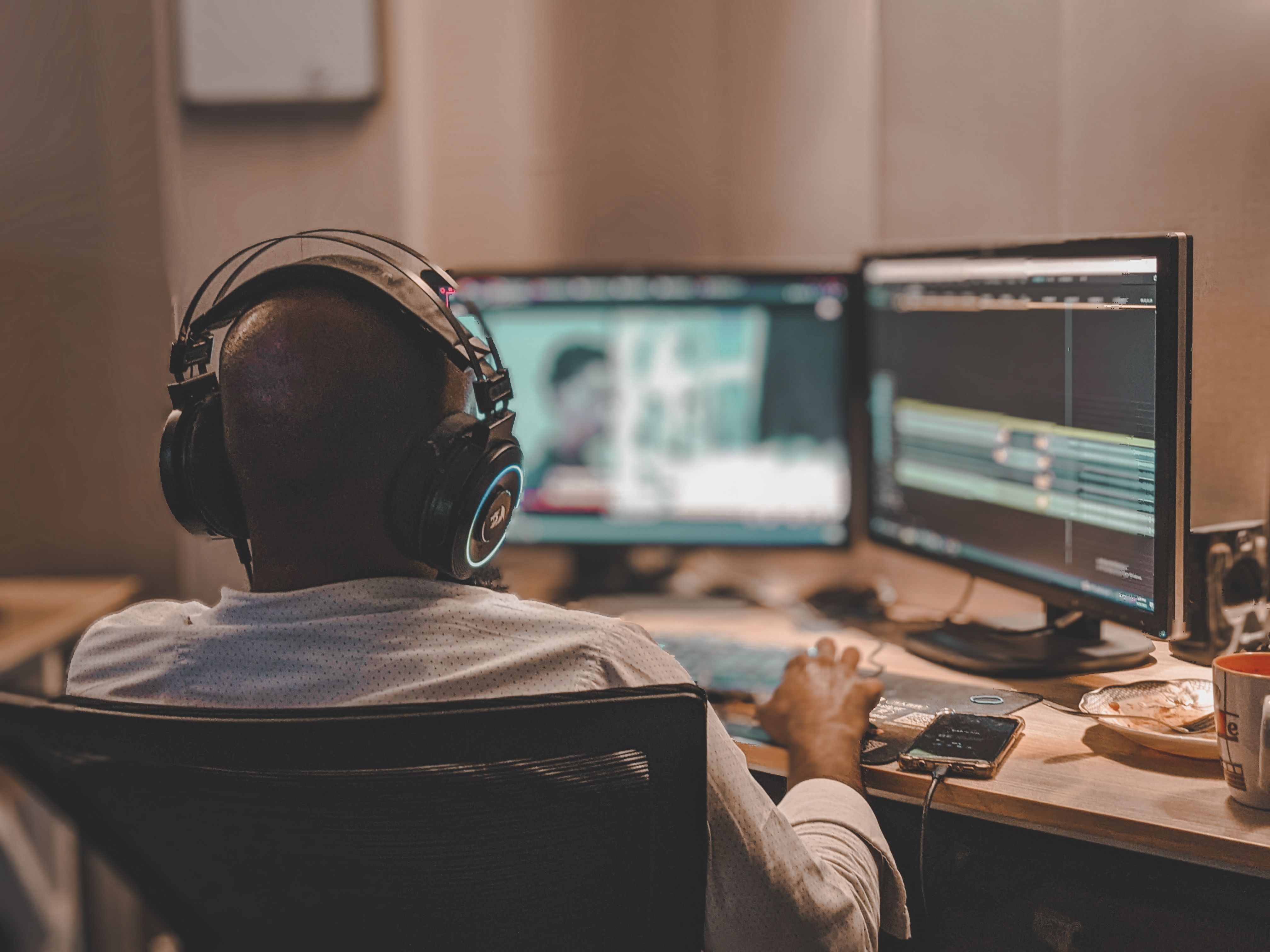
Clipping is the act of taking a snippet from long-form video content and turning it into short-form content, typically to highlight specific segments or moments from the original content.
However, the wider “clipping industry” is led by companies who run campaigns for brands and creators, offering them faster advertising through curated clips that populate TikTok, YouTube, and Instagram to hijack feeds, giving the impression the content is the currently “organically” trending topic.
On their platforms, those who signed up to be clippers can access the ongoing campaigns and select whichever content they wish to clip in exchange for incentives based on view performance metrics. All they need to do is follow guides, such as featuring specific hashtags, keywords, or attaching watermarks. While some have found this as a side hustle, it has been reported that some clippers have taken this as a full-time job.
However, the response to this has been very critical. As good as it sounds for the clipper, clipping has been widely criticized for making the illusion of specific content being popular or currently being the hot topic of conversation, when in fact the videos are actually pre-curated ads masquerading as viral videos.
Beyond that, these boosted clips may downplay organic, fan-driven creations, too, as both are in the similar shorter format, blurring the line between what’s organic and what’s boosted.
Clipping before it was an industry
Clipping has actually existed for a couple years, previously by avid followers of specific creators.
In Indonesia, for instance, the pre-industry phase of clipping used to be a form of creative output of parasocial relationships in the gaming community, mainly driven by fans who curate funny and meme-able moments from livestreams and gameplays out of leisure.
These fan clippers took creators' content without being paid to do so, so copyright was never a challenge for Indonesian creators who embraced clipping as a niche fandom culture that shapes their online presence.
Streamer DEANKT, for instance, reached one of his career breakthroughs thanks to a fan-made clip of his “gwenchana” “I’m fine” line. The line was actually a recreation of the viral gwenchana trend (popularized by Malaysian creator @imeringue2 on TikTok) that eventually took off in South Korea, too (using the Korean word for "It's okay" or "I'm fine" alongside upbeat, rhythmic background music).
At the peak of his fame, DEANKT had publicly supported his fans who were able to earn through AdSense income whilst doing clipping for fun, allowing his fan base and popularity to grow stronger as he recognized organic clipping as an important part in community building.
Another example is gamer Windah Basudara, whose horror gaming livestreams were often clipped based on his “manly scream”. Though he did not intentionally brand himself as a streamer with a distinctive scream, clippers successfully memeified this as one of his unique gaming moments, signaling the vital role clippers played in shaping gamers’ stardom.
Beyond shaping their cultural influence, clippers in Indonesia have also demonstrated a symbiotic relationship with Indonesian creators. As some clips credit creators in their curation, this leads viewers back to the original creators and their content. A prime example of this can be seen in the Clipper Awards of Marapthon by yb (Reza Arap), where he watches his fans’ clipping creations as a special event/episode.
The clipping industry vs. organic clipping
While clipping is already a form of advertising today, some reports have highlighted that many clips lack the transparency of boosted content or paid ad labels. This then raises the question: who or what is the most prominent organically? Which content in our feed is real or “fake”? How can we tell which is which?
If we position ourselves as a clipper, it is logical to assume content publishing can be highly competitive, with the goal of publishing the earliest and earning incentives the soonest, making clippers race against each other. Bearing this in mind, we ought to question: are they engaging with the content as an ad curator to reach their incentive goal, or are they genuinely engaging with a parasocial relationship in curating content that is relatable to viewers?
In short, has the clip you’re watching been clipped by a genuine fan (paid or not) or by a professional, disinterested clipper?
While clipping typically requires use of watermarks and specific keywords in curation, campaigns do not necessarily instruct clippers to highlight specific scenes. The scenes chosen in the clipping process across different curators might differ, which may lead to waves of repetitive “spammy” content on feeds.
When clippers don’t understand the content they’re clipping, simply taking minute-long bites out of full videos to post, we can see as viewers where the “clipping industry” fluctuates wildly in quality or diverges fully from the true fans who clip because of their love of the content.
To this point, organic clips are curated based on shared knowledge among avid viewers, meaning they will carry a shared pattern, like, for instance, VTuber Kobo Kanaeru’s Plants vs Zombies’ hyperlocal names. Kobo Kanaeru had popularized the localized PvZ plant names like “Kipli” for peashooter and “Gilang” for a potato mine in her gameplays, eventually establishing these names as Indonesian PvZ lingo.
Further evolution made by fans, like visual memes and recreations, have appeared as a form of absurdist meme, an inside joke that can only be comprehended and re-clipped into further variations if you had fully paid attention to the original content and understood its lore as a form of cultural capital.
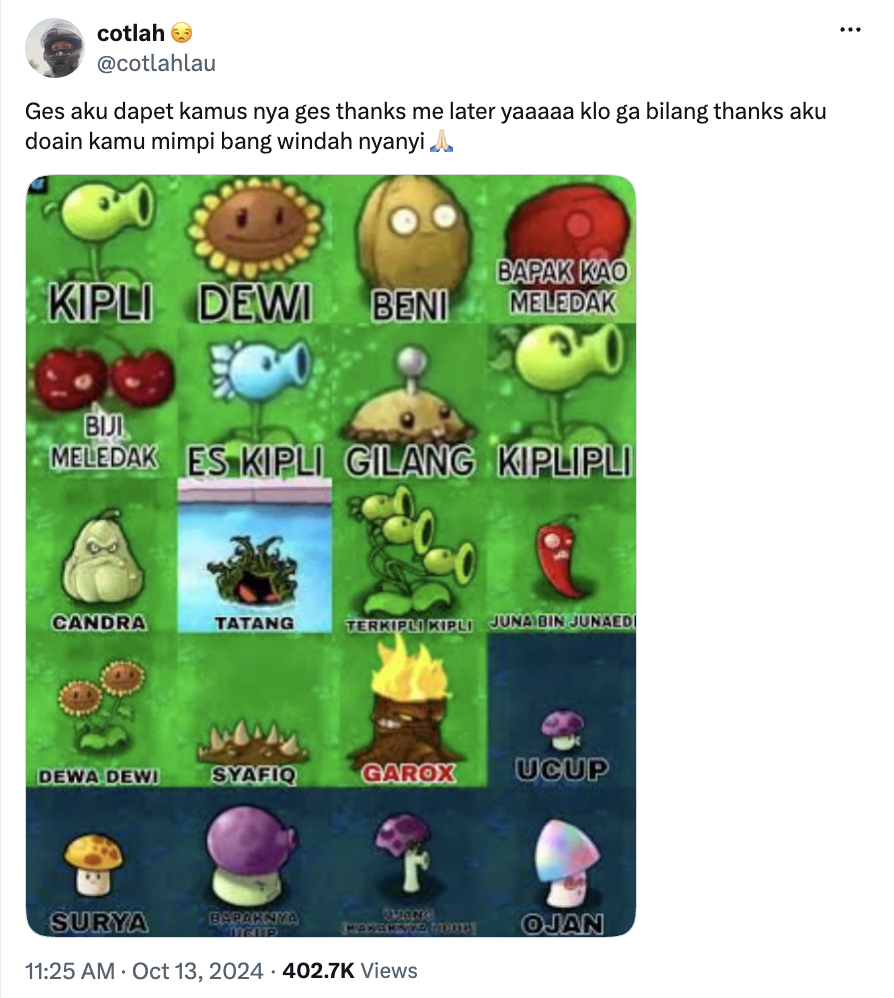
If the paid clipper had a preexisting understanding of the references or were part of the fandom, they may have an advantage in curating clips that can tap into fans’ relatability. The ad might work and will blur the line between real and fake, meaning it will be harder for us to differentiate the organic and boosted content.
But, noting that these clippers’ motive is to earn, they may put incentive above the entertainment experience, so it's plausible for them to miss scenes that carry more weight, relevance, and emotional connection for avid viewers for the sake of racing against time and other clippers.
Clip this story for me, please
As you scroll through your feed, remember one thing: fan-driven movements and trends do not exist in a vacuum. Ask yourself:
- Do they randomly appear without conversations online?
- Does the presence of the content make you question how it appeared on your feed?
- Who are these accounts?
- Are they using specific keywords or watermarks that feel familiar?
Interrogating your own screen may seem like a lot of effort, but this is the least you can do to stay sharp and tell whether you’re seeing something because it’s truly earned its place in your feed or because clippers were incentivized to put it there.
In summary:
- Specific keywords, use of watermarks, and abrupt algorithm saturation can be key indicators of incentivized clips rather than organic trends.
- Fan-led distribution goes beyond boosting view count. As “co-authors” in the online sphere, they actively evolve brands and creators’ cultural influence.
- Organic trends and true fan communities connect over shared cultural capital. Immersing ourselves into their niches is the key to truly resonate with them.
To be able to generate authentic, organic clips, you have to have fan-level knowledge of your subject matter to dive really deeply into the fan communities and see what the shared lore, language, and the insider jokes are.
When clips appear organically, they do not just amplify a creators’ presence; they wield the power in shaping and documenting a significant cultural influence.