Is storytelling always necessary?

July 8, 2026
by
Kristian Farrow
Once upon a time, I decided to set out my thoughts on whether or not brands and platforms need to turn everything they say and do into ‘stories.’
‘Storytelling’ is a word that gets thrown around a lot these days, but what does it actually mean? How does it manifest itself online in our daily lives, and does it (more often than not) get in the way?
Let me start from the beginning…
‘Insert Keyword Here: A Tale of Algorithmic Appeasement’
Having worked across disciplines that include SEO, brand strategy, research-based insights collation, and most recently cultural intelligence, my attitude to storytelling has changed through the years.
Where I once dedicated my time and effort into integrating keywords and links into authentic (looking) written content to boost organic search, AI SEO is cracking the content nut open to extract the nugget of wisdom within, swiftly moving on to the next authoritative source.
The ‘story’ that you wrap an insight in seems to matter less and less.
Nobody cares about the walk you and your grandmother used to take across a windy beach to find seashells anymore (did they ever?); instead, they just want to know how much flour they need to put in their damn pancakes.

User intent never changed, but with the advent of AI SEO and Google’s top-of-search AI summaries, we’re able to get directly to the information we need when we feel that storytelling doesn’t matter.
Do I need to know that your latest car model will take me on an unforgettable journey of a lifetime? Or do I just need to see a bullet point telling me its exact fuel efficiency?
Does a can of Pepsi even stop riots anymore? Or can you just tell me that aspartame isn’t all that bad and that a 24-pack can be at my doorstep by tomorrow morning?
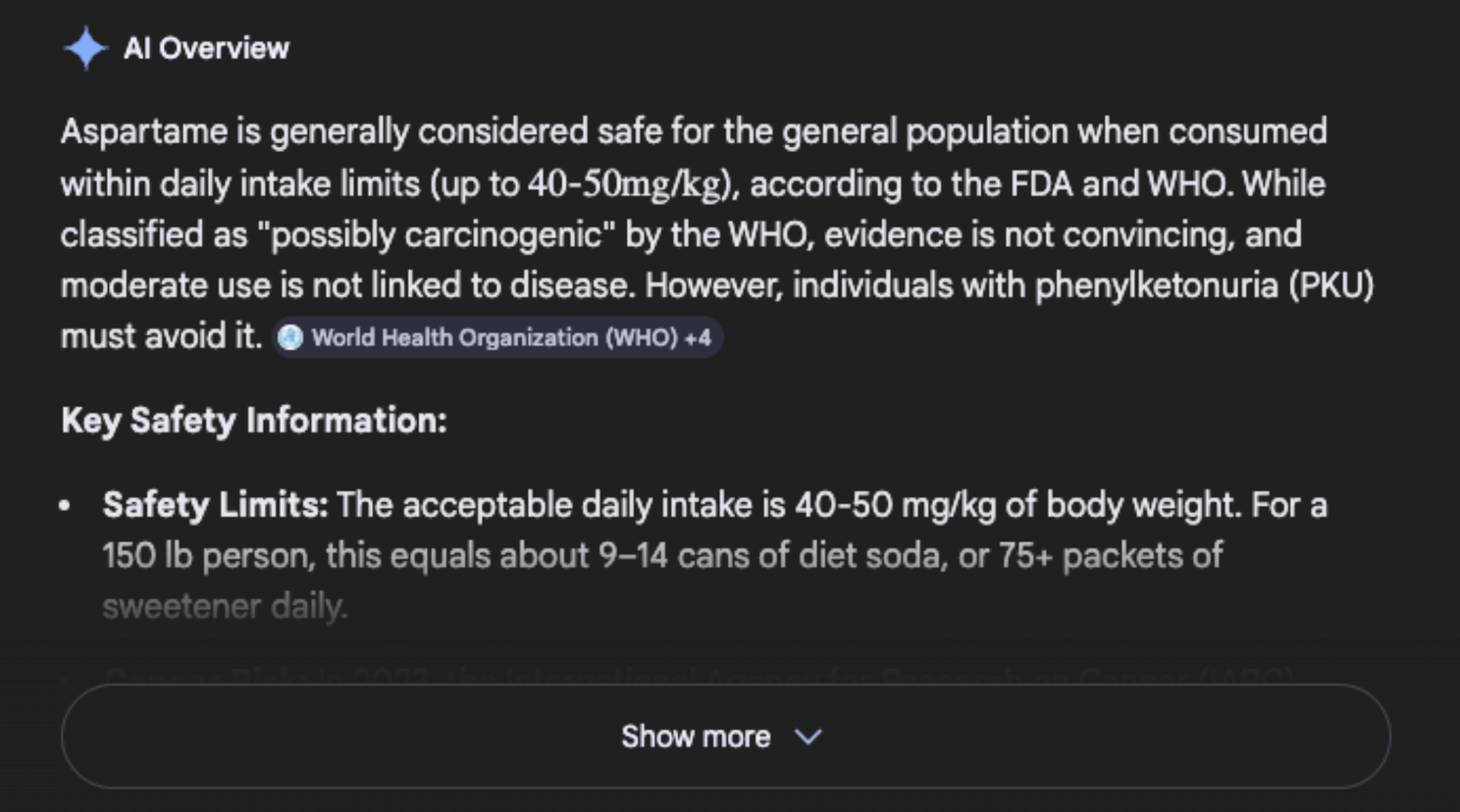
With the widespread proliferation of AI, we’re being told that storytelling and real, authentic, ‘human’ writing is at an all-time premium.
It’s true generative AI models do so much writing for us now that many are forgetting how to do it at all, making the once saturated copywriting market a commodity rising in value faster than a barrel of oil.
However, if consumers no longer care what wrapping the information they’re seeking comes in, where does actual storytelling fit in?
Gather ‘round the Ring Light, Everyone
The word ‘authenticity’ gets thrown around a lot these days. Normally, in reference to the completely inauthentic.
Can you give a truly ‘authentic’ review of a product if there’s a multi-billion dollar brand looming over you like a wizard pondering an orb?
Can viewers ‘authentically’ get ready with their favorite content creator while said makeup guru sits before a shelf of sponsored products lit by the soft glow of a $300 daylight-imitating lamp?
The answer, surprisingly, is yes. You can.
In our terminally online era, storytelling is now ‘Content’ with a capital C. People are split into ‘viewers’ and ‘creators,’ and what follows is a parasocial bond between the two groups that has me thinking that, yes, I could do with a new tablet, actually.
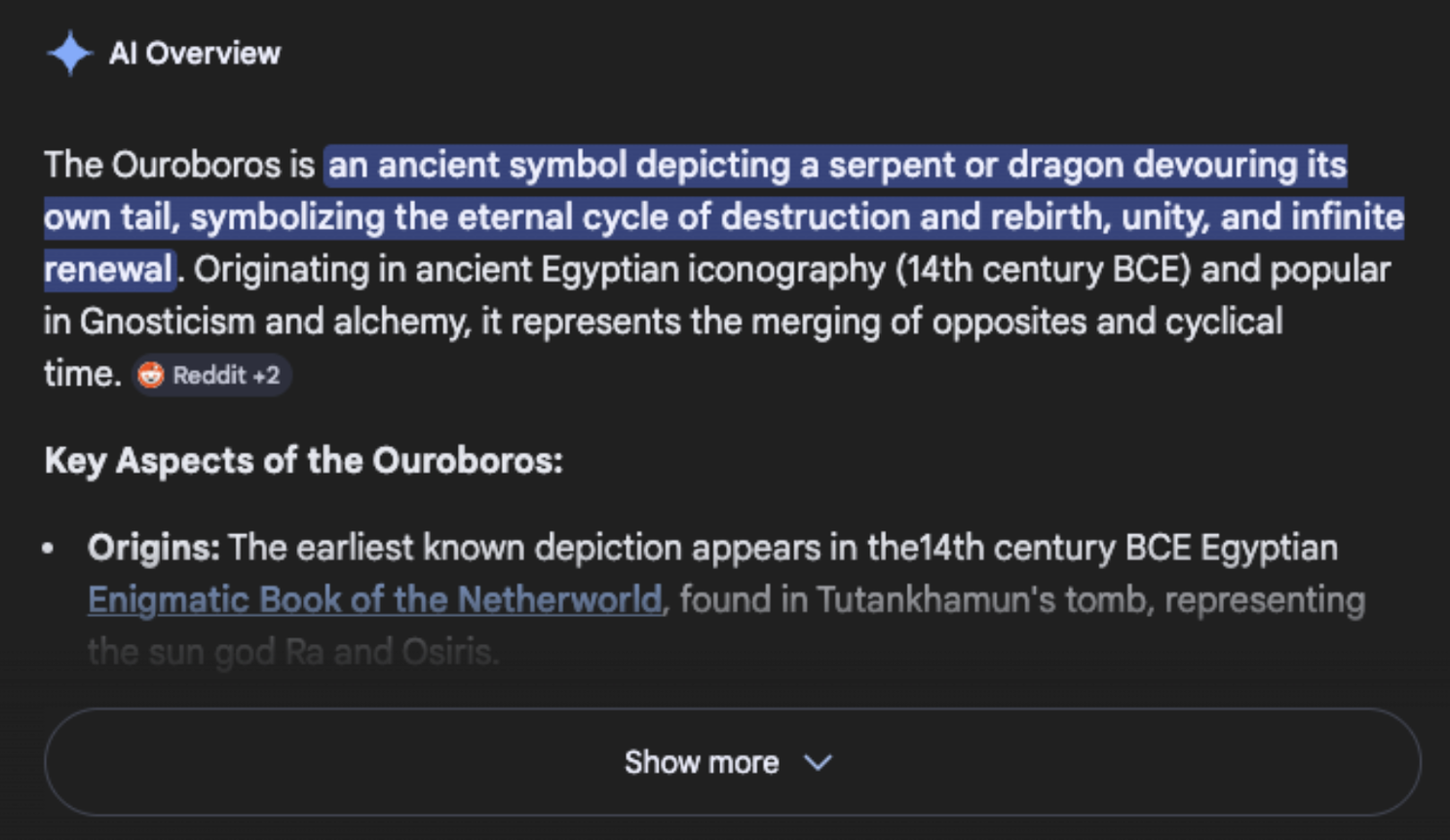
Modern storytelling happens in vertically shot short-form videos, in 4K long-form vlogs, in 4K long-form vlogs turned into vertically edited short-form videos. An Ouroboros of universal content consumption.
And who is telling these stories? Well, everyone.
But, more importantly, who is telling these stories successfully? The select few who can demonstrate authenticity within inauthentic frameworks.
We know that reviews have biases. We know that creators want views, likes, subscribers, monetization. Every millisecond that viewers don’t swipe away has a value attached.
However, it’s the true storytellers that help us forget all of this. It’s an interesting anecdote about an interaction with a branded product that helps viewers forget about the cynical monetized hamster wheel we’re eternally running on.
On video, with the right storyteller, we can forget about the flour for a hot second and spare a moment to hear about the walk you and your grandmother used to take across a windy beach to find sea shells.
Even these videos are being distilled by the ever-present alchemical AI SEO lab into snippets of insights that dominate the top of your Google Search, but we’re still more likely to watch the video anyway.
Why? Because whatever happens in our shared cultural history, from hieroglyphs to GIFs, we’re built to love storytelling.
So, How Does the Story End?
We set out to discover whether storytelling is always needed, but perhaps the better question is, when do we want to be told stories in the first place?
For brands and platforms, moderation and context are key.
You need to meet people where they’re at, offering them detailed-yet-direct specifications when they need to get to the point or telling a story when you need to transport them from one frame of mind to another.
Avoid half measures. If you’re going to tell a story, engage an authentic storyteller that aligns with your values, one who can hold the rapt attention of viewers around the digital fireside. Don’t simply throw money at a hoard of ‘creators’ (lower-case C) who are only capable of parroting a list of pre-briefed selling points.
Be purposeful with the mediums you choose to play in. If you’re going to produce written stories, use skilled copywriters and cultural experts with proven track records. If you’re looking to engage with video, find the storytellers that can meaningfully connect with your audience.
If you’re unsure of how to do this, 1021 Creative is here to help. We specialize in providing cultural intelligence, identifying impactful content creators, and discovering where your audience is and how your message can find them.
The real question is, what story do you want to tell?
… P.S. Google search told me that, for a standard batch of pancakes (serving 2-3), use 135g to 150g (approx. 1 to 1.5 cups) of plain flour.