K-analog horror and hyperlocal genre experimentation
.png)
September 21, 2026
by
Lyra An
With some nightmares, even if you forget the entire plot, one single scene just sticks in your head.
What if a whole movie could be born from just one image? “Backrooms” pulled this off, starting as a random image on Reddit, turning into a spooky internet lore, building a community, and eventually evolving into a movie. Martin Scorsese’s “Hugo” operates on a similar impulse. Not so much in its genre, but in how it’s built entirely as a love letter to cinematic magic sparked by early film imagery.
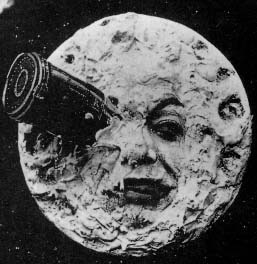
Naturally, horror is the genre where a single image or sequence holds absolute power, becoming an unforgettable fear for the viewer. Bringing this forward to the age of AI, there’s certainly a connection; the content we consume often comes from a single image or prompt.
Hollywood doesn’t have a monopoly on horror, and when we take a global view, there’s so much more to this genre. Through my own research into hyperlocal culture and trends, it’s clear to see that in Korea, filmmakers and creators are innovating analog horror, creating “K-analog horror”, to push the boundaries of genre and form while leaning on generative tools to turn prompts into horror storytelling.
In this article, I explore the hyperlocal imagery of Korean analog horror that hits even closer to home, weaponizing our shared, nostalgic past into something terrifying.
What is analog horror?
Before we narrow our focus to today's Korea-specific context, it is worth establishing what defines the analog horror genre itself. Analog horror is a subgenre of internet-based horror fiction that mimics the eerie aesthetics of late 20th-century media. Low-res VHS tapes, rogue emergency broadcasts, decaying television signals, borrowing heavily from the voyeuristic style inherent in found footage. It has carved out a massive cult following thanks to its unsettling atmosphere. Yet, like any viral phenomenon, it quickly becomes vulnerable to superficial, mass-produced knockoffs.
The paradox of analog horror lies in its boundaries: they are incredibly blurry, yet ruthlessly narrow. The genre relies on vintage media to amplify the fear of the unknown, of formless, unexplainable entities. If you just take a vintage vibe and throw in classic horror tropes like ghosts, zombies, or slashers, it just becomes a regular horror flick set in the past.
Bound by these rigid constraints, the genre exhausts its material rapidly. Yet, the moment a creator attempts to shatter these clichés, they risk stepping outside the “analog horror” framework altogether.
This is precisely why the genre, at its best, relies on something deeper than mere nostalgic tropes. The true power of analog horror comes from invading a nightmare that feels uncomfortably close to home, producing a lingering terror that bleeds into the cracks of everyday reality. And when this familiarity is filtered through Korea's unique cultural memory, the horror becomes unsettlingly real.
What makes K-analog horror different?
It all started early this year when AI-assisted creators started to appear on my feed. Soon enough, I found myself watching every single one of those Reels all the way to the end.
They crank up the creeping dread by putting bizarre cracks in highly relatable, everyday spaces like streets, schools, and water parks. While keeping the classic voyeuristic POV — complete with raw handheld camera work that feels like a personal phone or camcorder recording — these videos add a distinct twist: hyper-specific, nostalgic elements that only a Korean would truly recognize. This localized nostalgia heightens the sense of realism, evoking a strange déjà vu, or as Instagram creator deer.4819536 hauntingly titled one of their videos, a feeling akin to “a dream I never had.”
Many creators are active in this space, whether through specialising in jump scares or showcasing fragmented, short-form analog horror.
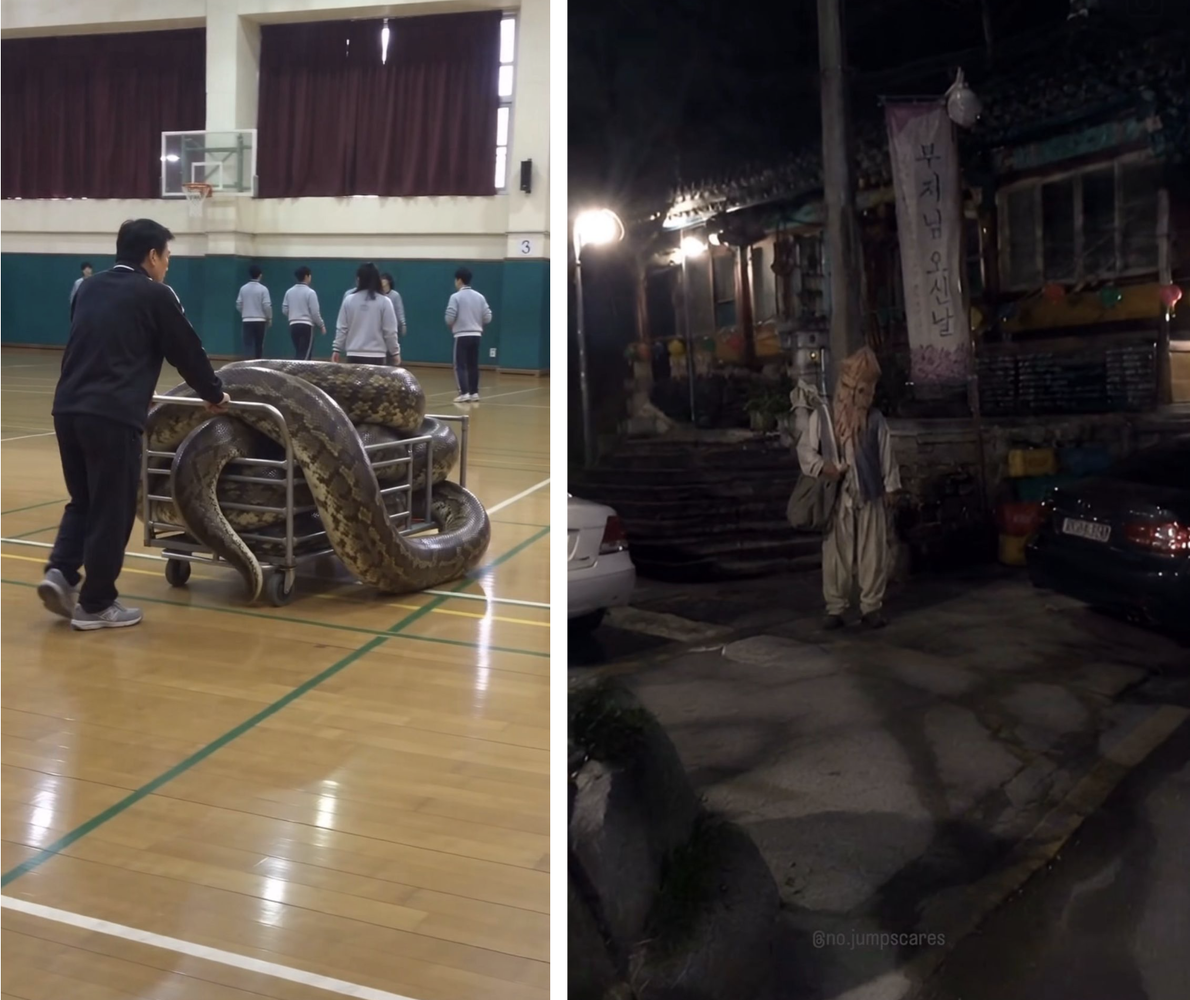
What we’re seeing is the creation of K-liminal space and K-dreamcore, the birth of brand new, Korea-specific subgenres.
Evolution through narrative: “Seodam City”
And then, we have serialized, story-driven analog horror. “Seodam City” is a YouTube and Instagram series built around the concept of a promotional social media account for a fictional city in South Korea. The profile and bio are set up exactly like an official city account.
While most short-form analog horror clips focus primarily on visual effects, “Seodam City” gained popularity by triggering a bizarre sense of discomfort by building a narrative. It masterfully combines mundane, daily vlog-style footage with classified recordings from a Task Force team investigating mysterious incidents that took place in Seodam City back in 2024. Delivered in the style of an “incident report”, each episode unravels the city's mystery.
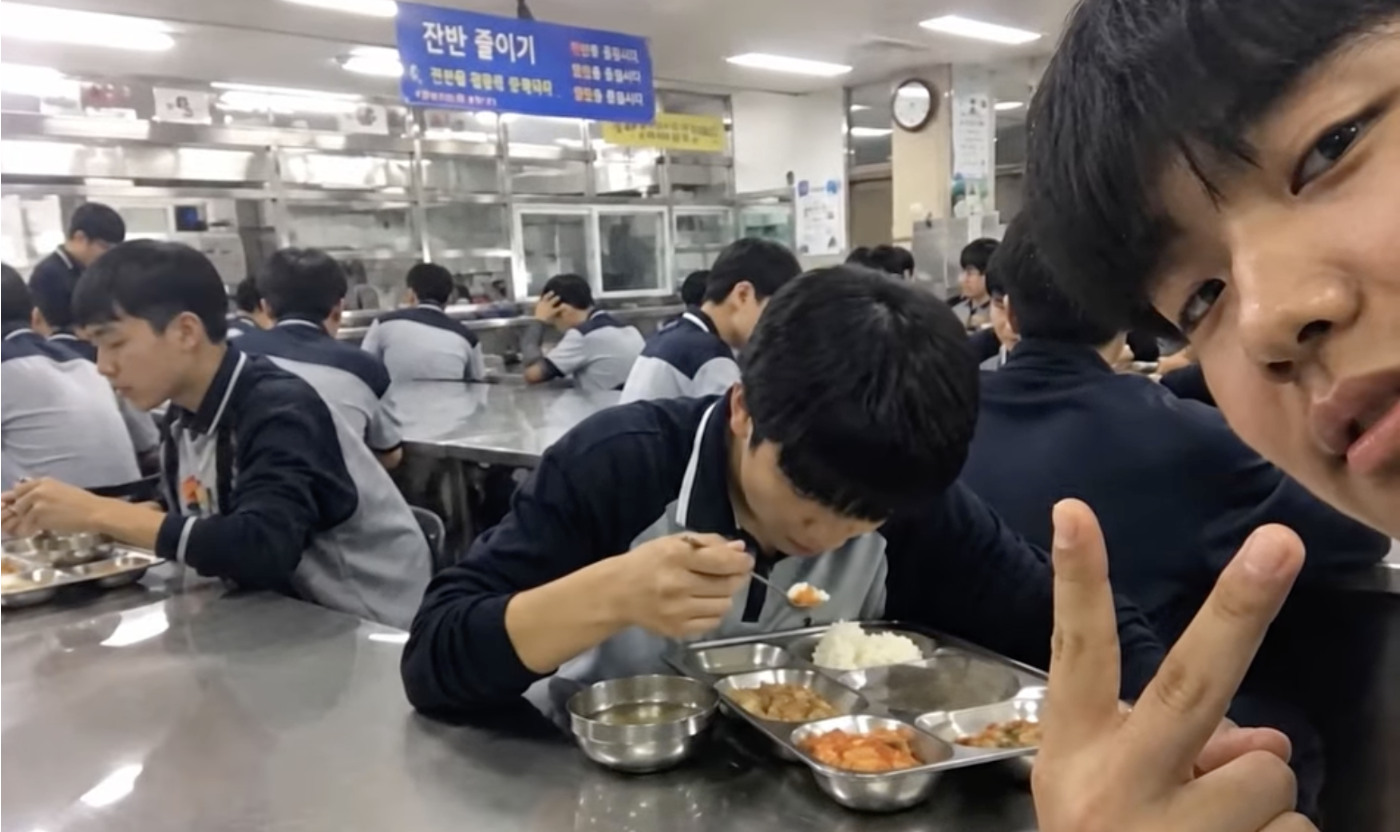
With its Task Force actively tracking anomalies, the narrative leans heavily toward containment fiction. However, it strikes a brilliant balance with analog horror by keeping the viewer completely in the dark. By offering zero protocol on how to handle the threats and leaving both the cause and the entity in question entirely unknown, it strips away any sense of control, distilling the experience down to absolute horror.
More importantly, this intentional ambiguity that offers no clear explanations or neat resolutions serves as the ultimate hook for audience participation. Viewers become the primary force driving an interactive fandom. They swarm the comment sections to dissect MacGuffins, debate what triggers set off the anomalies, and piece together the timeline. They transform passive viewing into a collective expansion of this bizarre universe.
AI’s influence on the genre
Seodam City solves a frequent issue in short-form horror: a quick scare often struggles with a lack of narrative depth. Traditionally, horror films had to spend considerable time carefully constructing atmosphere and backstory just to deliver a payoff at the climax, usually relying on a sudden grotesque jump scare to force a scream. Regardless of the medium, the boundaries of horror are notoriously narrow, and stepping outside them too recklessly often reduces the piece to a generic shocker.
In the past, mimicking an analog aesthetic served as a clever workaround for indie creators constrained by tight budgets and limited technical means, much like low-budget games adopting retro pixel art. But when analog horror collides with AI, these structural limitations dissolve. The material becomes limitless, and surreal images once locked in a creator's imagination can now be rendered instantly. Hallmarks of the genre, like voyeuristic handheld POVs, achieve a cinematic texture effortlessly through generative content.
Most intriguingly, the “awkwardness” of uncanny valley, once considered AI's greatest flaw, has been weaponized as the very language of modern horror. Strategic cuts, erratic handheld movements, and intentional glitching do not just conceal technical imperfections; they seamlessly fuse those flaws into the raw, disturbing DNA of the genre.
Why do we like this kind of video? (Why is it getting cinematic?)
Again, it comes down to the thrill and pleasure of sneaking a peek into someone else's nightmare. What started as quick, fragmented clips has evolved into sustained, serialized narratives that offer incredible immersion, while continuously pushing the boundaries of how seamlessly AI can recreate our shared nostalgia.
If “Backrooms” represents an internet lore slowly built by a collective community over several years before heading to Hollywood, projects like “Seodam City” operate with a fundamentally different blueprint. Powered by AI, a creator can now intentionally leave strategic voids in their storytelling, designing the narrative from the start to cultivate a community that actively completes the work through shared speculation.
When this innovative approach merges with hyper-specific Korean localization, it creates a unique and haunting subgenre entirely of its own. As these tools continue to advance, these short-form videos will inevitably expand into long-form content, or possibly full-length cinema, giving birth to a new generation of films that become someone's lifelong nightmare. Or if one’s lucky enough, an inspiration for their own art.