Summer’s hottest club was deep-fried, served on a stick, and the password: "Community"
October 29, 2026
by
Jenna Mars
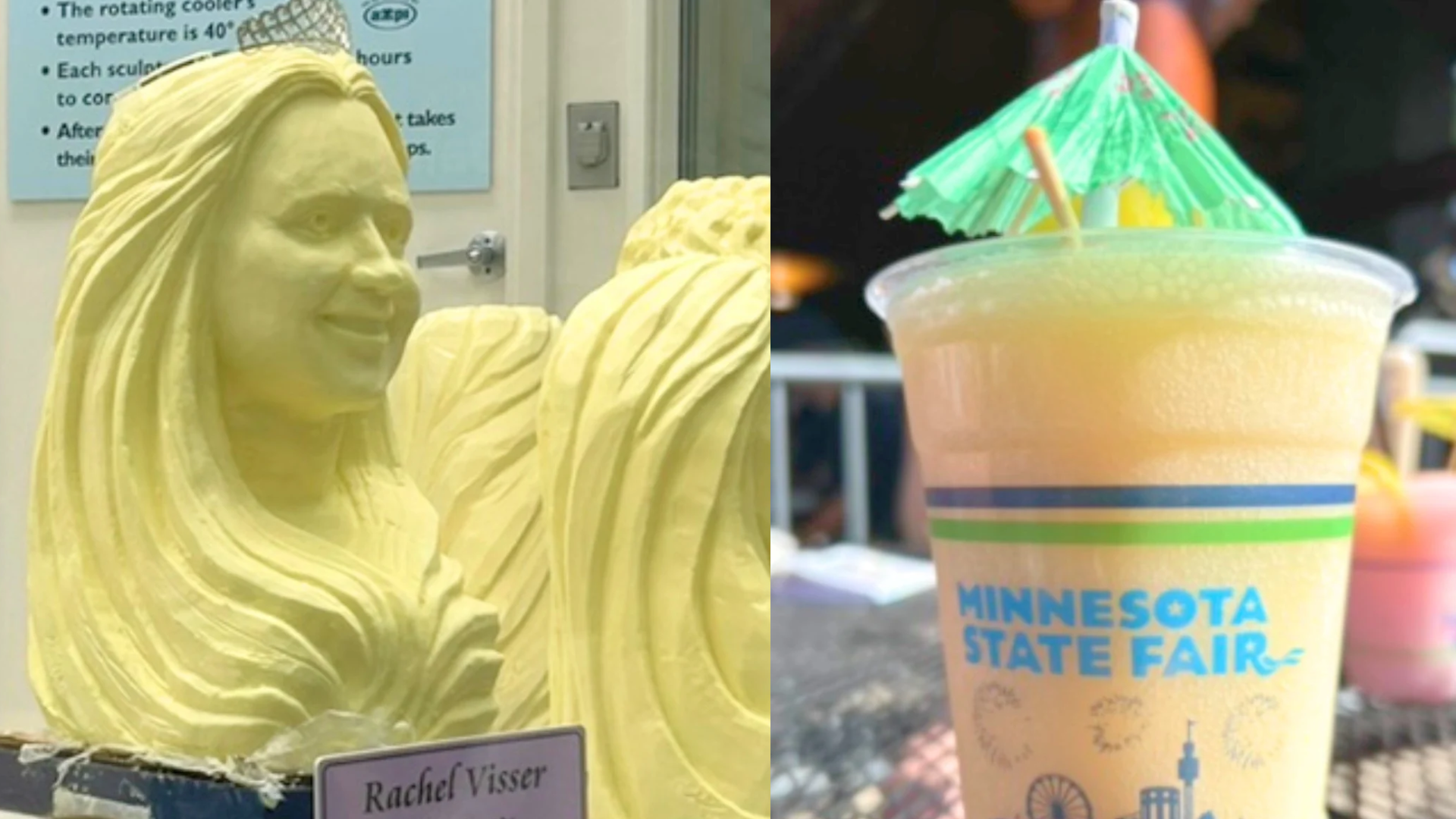
When creator Sierra Reece declared her desire to experience the sticky, unapologetic sensory overload of the Minnesota State Fair over Coachella, the response was immediate. As it turns out, trading her flower crowns for a glimpse at butter princesses was not only a dream destination for the influencer, but a dream that’s gone viral among many Gen Z influencers.
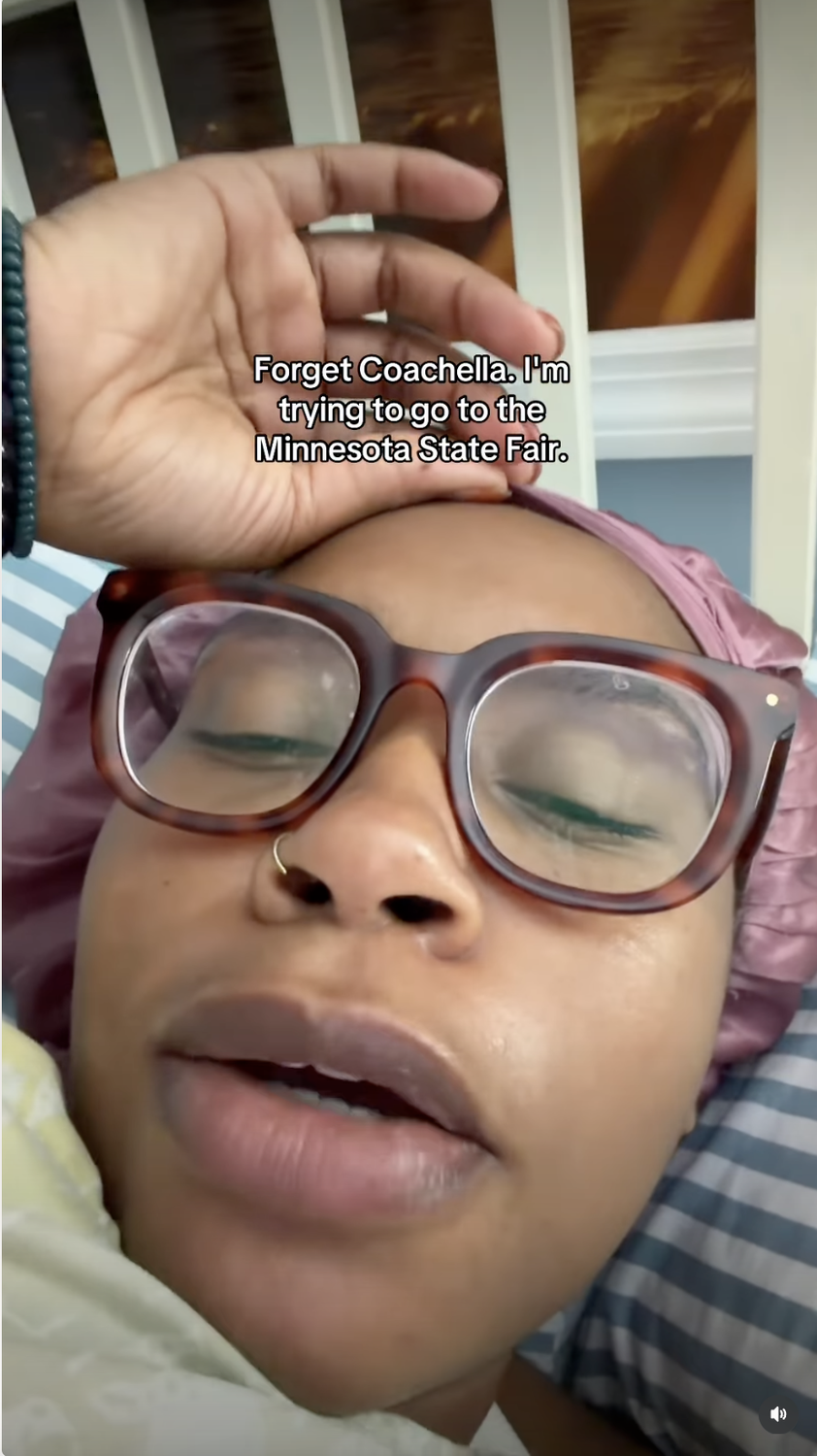
Minnesota, which is essentially one giant welcoming committee with over 10,000 lakes to boast about, hopped on board and rallied to be her tour guides. Even the official Minnesota State Fair account jumped in to make a partnership happen with a simple, “I’m listening 👀.”
But why are young creators suddenly dreaming of these off-the-beaten-path events instead of the highly curated aesthetics of traditional music festivals?
As someone who has attended the Minnesota State Fair since I was nine months old, this sudden influencer pivot immediately caught my attention. It’s also gaining national press, as this year, USA Today rated the Minnesota State Fair the best state fair in the nation. Though I know the Minnesota State Fair is tremendously special, the fair is so deeply rooted in my own traditions that I had to step back and decode exactly what makes it so magnetic to outsiders today.
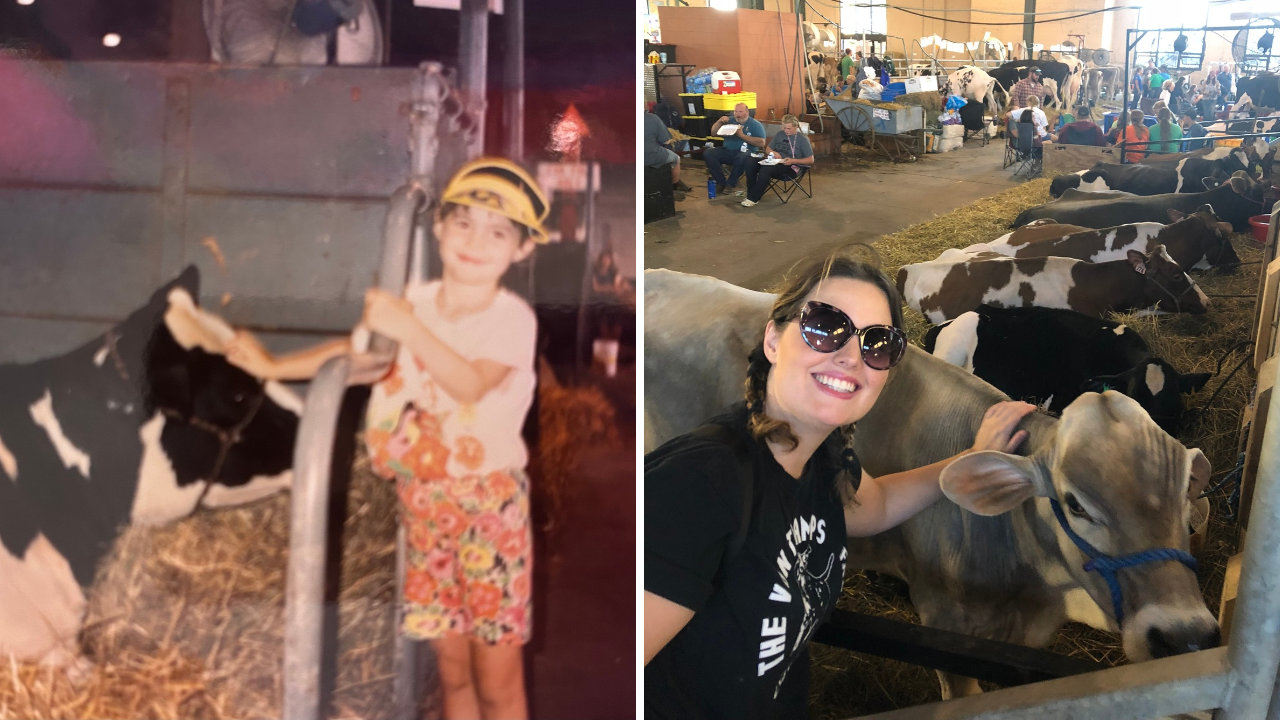
What I can see is the broader cultural vibe has clearly shifted. There was a time when the ultimate appeal was escaping the everyday, usually to a highly curated festival in the desert. Even the outfits donned for this escape were designed to create a new “festival” version of yourself!
But today, creators who spent their formative pandemic years in isolation are actively seeking out events that forge genuine community, with uncurated and unexpected experiences creating an excellent backdrop for content. Sierra Reece trading her festival crown for a pair of overalls was proof!
As a Minneapolis local, I know firsthand that this state is a beacon of togetherness and unconventional experiences. Let’s dig into what made the Great Minnesota Get-Together the “moment” of the year!
Festival on a Stick
It’s no secret that live music is a big deal to Minnesotans.
After all, Minnesota is the birthplace of Judy Garland, The Andrews Sisters, and Bob Dylan. Minneapolis gave the world the “Minneapolis Sound,” with artists and producers like Janet Jackson, Jimmy Jam and Terry Lewis, Mint Condition, and Morris Day and the Time flocking to work here and helping define this sound of the city heard around the world.
The state also became a breeding ground for punk and alternative music, producing influential bands like The Replacements, Hüsker Dü, and Babes in Toyland. Then there’s Soul Asylum, Lizzo, The Trashmen — and yes, you know the song “Funkytown” and the “I’ll Be There For You” theme song from “Friends”? Those came from Minnesota, too.
And, of course, there’s Prince.
So perhaps it shouldn’t be surprising that the Minnesota State Fair has quietly become the most popular event in the state — but as a music festival, how does it stack up next to Coachella?
The Minnesota State Fair drew 1.92 million visitors in 2026 — nearly eight times Coachella’s roughly 250,000 attendees across its two weekends. With more than 100 musical acts performing across numerous stages (and hundreds of shows free with fair admission!), you can catch international music at the International Bazaar, Minnesota’s best local artists on the First Avenue Stage, or major national acts at the Grandstand — all while eating something deep-fried on a stick. What’s not to love?
The fair isn't trying to be Coachella, and that's exactly what makes this recent trend interesting. Coachella's approach of hosting today's biggest names in music at the world’s most exclusive party is so vastly different from the legacy and nostalgic artists at Minnesota’s greatest get-together.
Where it gets “weird” — in the best possible way — is at the intersection of these two events. Artists like “Weird Al” Yankovic, The Chainsmokers, and Cypress Hill have all played both Coachella and the Minnesota State Fair — and in Weird Al’s case, within the same year.
The difference is accessibility: seeing Weird Al at Coachella could cost anywhere from roughly $500 to more than $1,000, while seeing him at the State Fair can be part of a much more affordable day at the fair, with admission and a grandstand ticket under $40. Over the years, the stage has hosted an extraordinary roster, including Bob Dylan, Dolly Parton, Stevie Nicks, Aretha Franklin, Duran Duran, Linkin Park, and Christina Aguilera, whose 2000 performance still holds the Grandstand’s single-show attendance record with 22,117 tickets sold.
But perhaps the most interesting thing about the Grandstand is its ability to act as a bit of a tastemaker. It has a history of putting artists in front of Minnesota audiences just before — or early in — their ascent to superstardom. A 17-year-old Taylor Swift appeared at the Grandstand before her meteoric rise; the creators of “The Simpsons” appeared during the show’s early years; Brandi Carlile played the fair before her Grammy-winning era; and Macklemore took the stage just a year before “Thrift Shop” exploded.
Accessible Art vs. the VIP Backdrop
The Minnesota State Fair’s art may be one of its best exhibits. In fact, this year the line to see crop art wrapped around the Ag Building where it’s displayed. Crop art and butter sculptures of princesses are having a moment — but why? Maybe it’s because there’s something wonderfully analog about them.
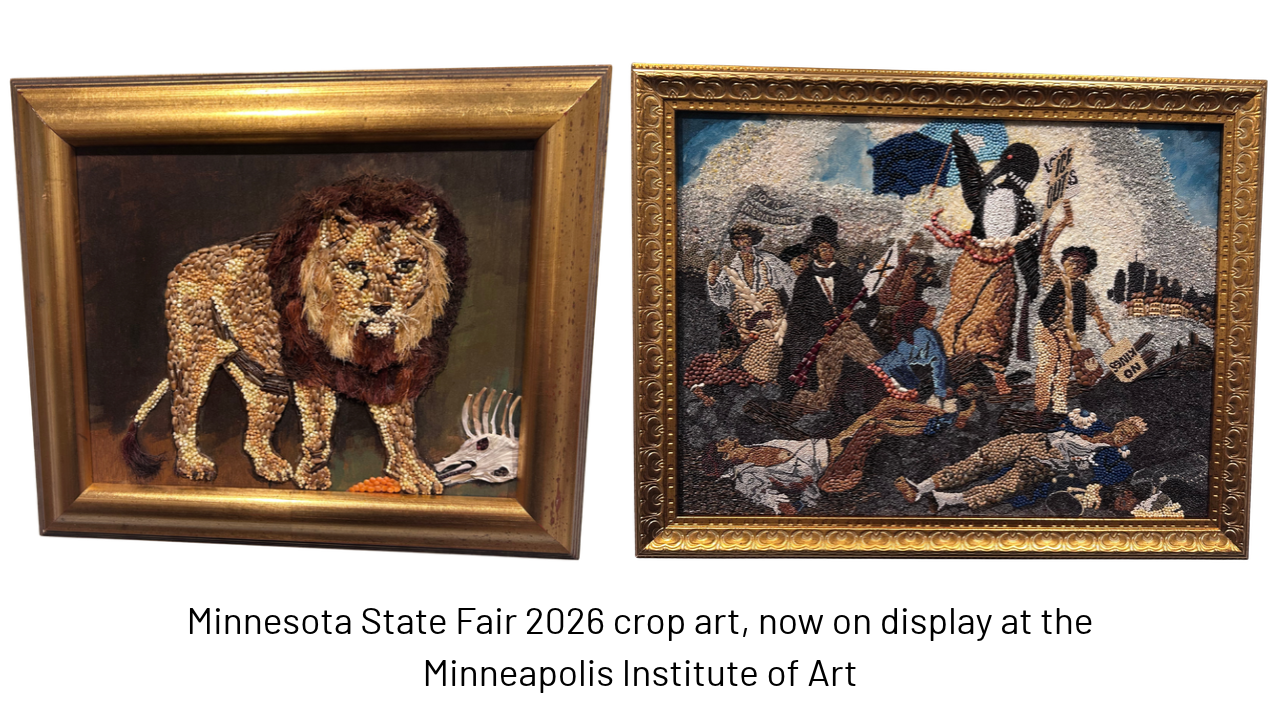
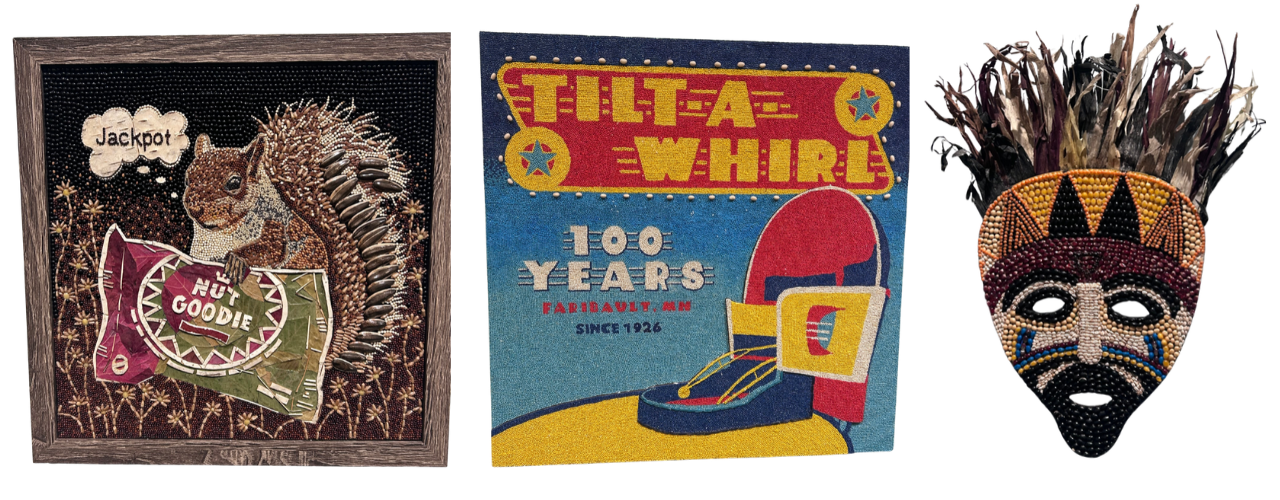
Crop art transforms seeds, grains, beans, and other everyday agricultural materials into intricate portraits and scenes, while the beloved Princess Kay of the Milky Way and her fellow butter princesses are sculpted from 90-pound blocks of butter. These aren't expensive or exclusive materials; they're things you can grow, eat, touch, and recognize.
Compare that with the highly curated art installations at festivals like Coachella, where immersive experiences can double as elaborate backdrops for the perfect social post.
The fair’s creativity feels less like a set and more like a community art fair. This year, there was crop art for every mood: political protest, famous portraits, and of course the hyperlocal punny joke. You don’t need a VIP wristband to participate, and you don’t need expensive materials to create something worth stopping to see. At the state fair, art isn’t simply something to photograph — it’s something the community makes, shares, and recognizes as its own.
The Creator Economy Is Hungry for Discovery
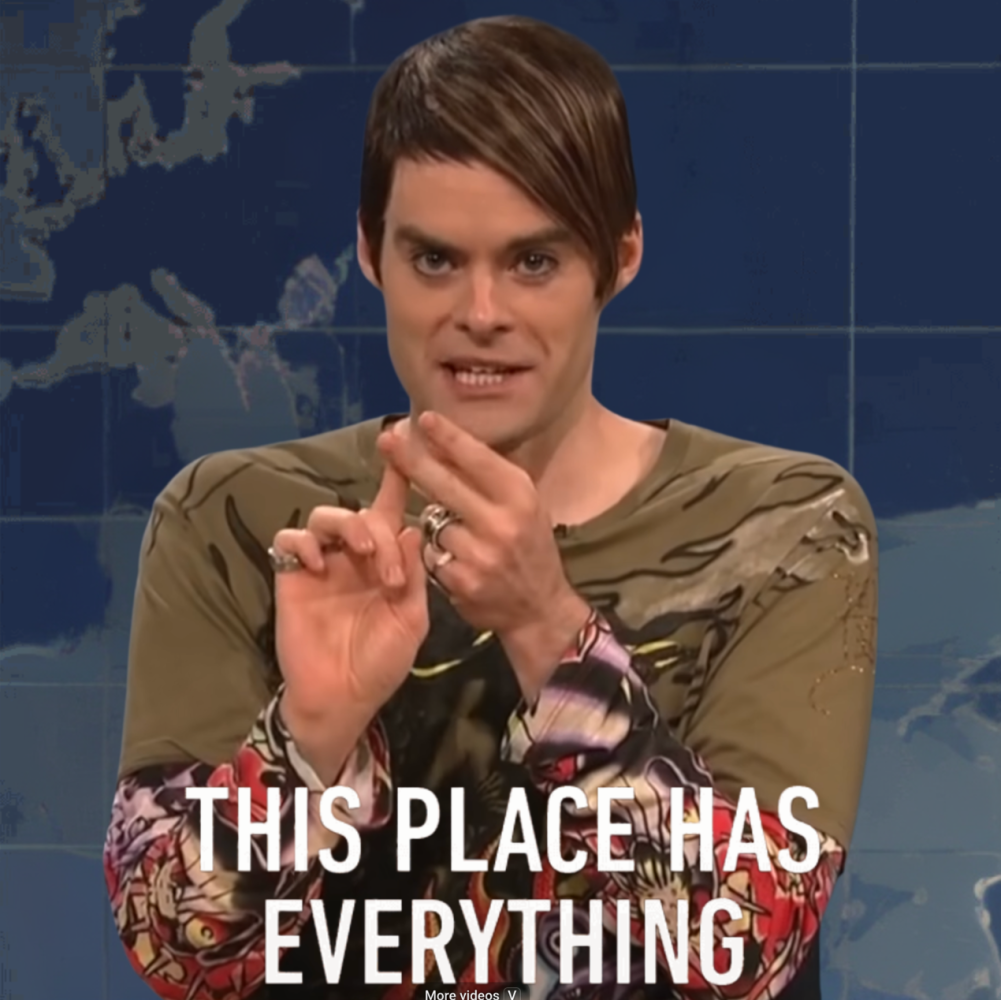
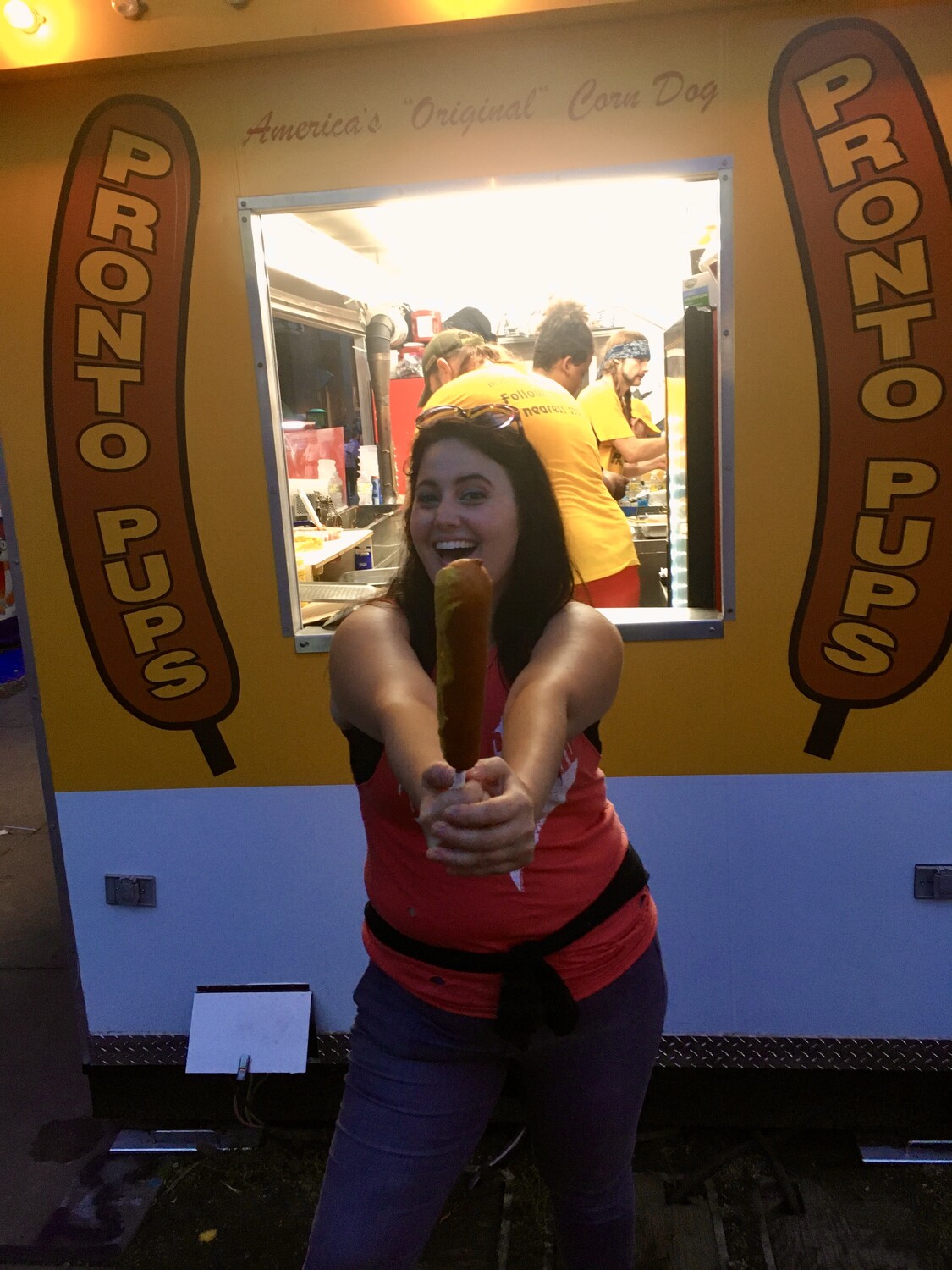
Brands frequently chase prestige events under the assumption that cultural relevance only happens at exclusive, high-ticket gatherings. For this next generation of cultural creators, is this old news? We somewhat know what to expect at Coachella, and there is fierce competition between creators covering this event. Finding somewhat quirkier events is producing great results for content. For example, demonstrating this highly discoverable content about what makes Sweet Martha so sweet or explaining that a Pronto Pup is NOT in fact just a corn dog is insider information. The premise works for both die-hard Minnesota State Fair stans and someone who has never stepped foot in the land of 10,000 lakes. Local food creator Tony Cu’s first Minnesota State Fair video generated nearly four million views and Sierra Reece’s state fair experience went viral.
The state fair is not the only isolated event of accessible Creator Discovery. Let’s take a look at Alexander Tominsky, who went viral for eating 40 rotisserie chickens in 40 days. Tominsky didn’t set out to become an internet phenomenon. He started eating one rotisserie chicken a day because, as he put it, “it just felt right.” For the first 11 days, he documented the ritual privately. Then he realized the experience had an energy that needed to be shared and viewers ate it up indeed.
Though eating until your stomach hurts may seem like the only connection between the Minnesota State Fair and Philadelphia’s self-proclaimed “Chicken Man,” the two actually have more in common than you might think. The fair provides a more curated environment than Alexander’s chicken-eating conquest, but the underlying dynamic is remarkably similar: the audience discovering these spontaneous moments is “the moment.” The fair creates the stage, fills it with food, characters, music, atypical spectacles and unexpected experiences, and then lets you discover the event as it unfolds.
Our big takeaway from the Minnesota State Fair: In an age when everyone is looking for the next viral moment, sometimes you don’t need to manufacture it — you just need to create an environment where people can connect and find it together.
So, now that it’s spooky season, where’s the next off-the-beaten-path adventure? Let us know in the comments!