Keeping up with everyone: Why reality TV editing is taking over social
July 8, 2026
by
Sabrina Sooknanan
“Am I the drama? I don't think I'm the drama... Maybe I am?”
Cut to slow-motion.
Cue the dramatic music.
In this viral trend, creators make themselves the plot. But what’s happening exactly?
What’s Happening?
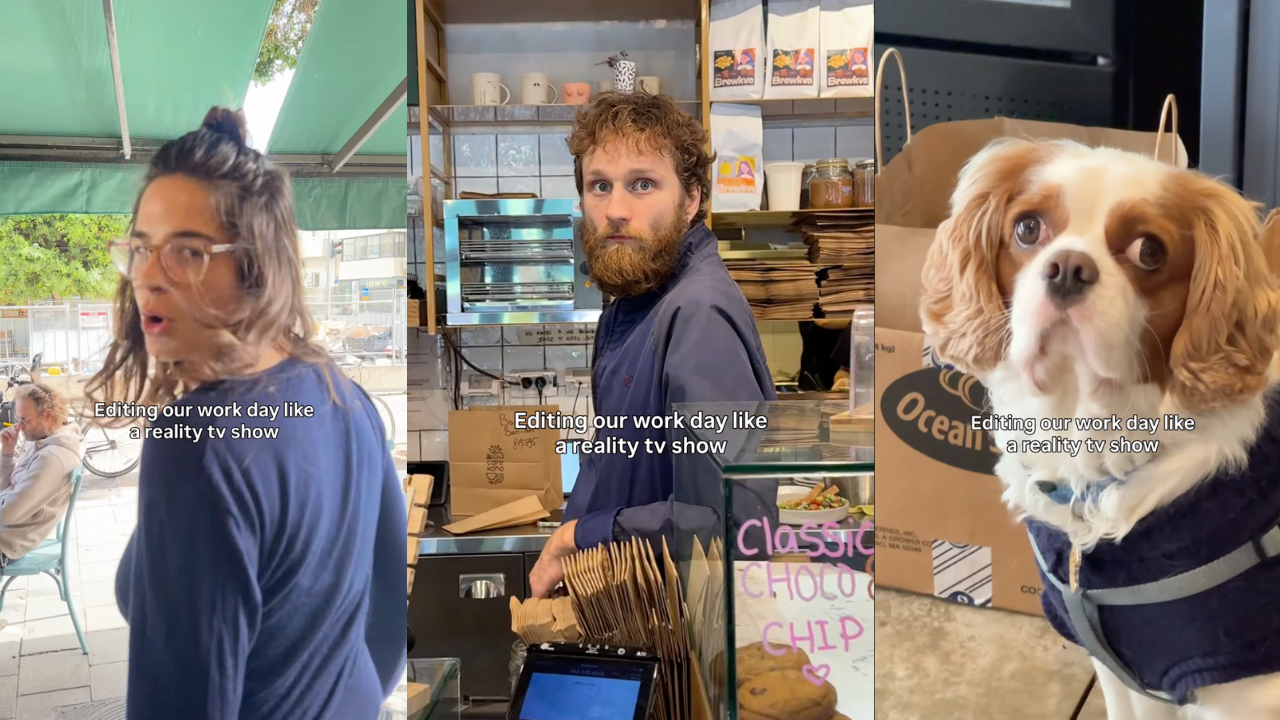
The “edit my day like a reality TV show” trend – and its endless variations (family vacations, dog days, you name it) – reflects a shift from polished aspiration to self-aware storytelling, where drama is exaggerated and humor signals authenticity.
Creators are borrowing the visual language of reality television – dramatic music cues, reaction shots, slo-mos – to turn everyday moments into low-stakes, intentionally over-the-top entertainment.
For brands looking to participate, the lesson is clear: audiences don’t want perfection, they want perspective – showing the mess, exaggerating the mundane, and letting humor lead can build credibility faster than polish ever did.
Life, But Make It Episodic
Creators are turning everyday moments into mini reality TV episodes by using editing techniques that exaggerate drama and humor, such as:
- Slow motion
- Fragmented dialogue
- Reaction shots
- Dramatic music cues
From running errands to family chaos or sharing your pet’s day, simple slice-of-life moments are transformed into intentionally over-the-top, highly entertaining content.
The result feels episodic and familiar, letting audiences experience the humor and tension of reality TV in bite-sized, easily consumed videos.
Why Exaggeration Works
The appeal of reality TV edits lies in contrast – ordinary moments are framed with the intensity and pacing of must-see television.
Humor emerges from this mismatch: small, everyday problems are elevated into dramatic, episodic beats that feel larger than life.
Crucially, viewers are drawn in not by real stakes, but by the creator’s self-aware exaggeration, which invites audiences to laugh with the content rather than at it.
In a social media landscape dominated by performative perfection and seriousness, this playful dramatization provides content that is immediately engaging.
The Shows That Taught Us How to Watch
This trend resonates because it taps into a generation raised on reality TV – whether actively watching or absorbing it in the background.
Programs like Keeping Up with the Kardashians, Real Housewives, Jersey Shore, and Big Brother trained audiences to interpret emotion and story through editing: who reacts, when the music swells, and which moments deserve heightened focus.
That visual language is now instinctive, allowing creators to translate everyday life into mini “episodes” with minimal effort by playing off known tropes and audio-visual codes.
Short-form content has become the modern reality TV ecosystem – faster, participatory, and endlessly remixable – where audiences instantly recognize the aesthetic and enjoy both the humor and the drama.
From Participant to Producer
Beyond entertainment, reality TV edits give creators narrative control over their own lives within the parody.
By choosing which moments to highlight, how to frame emotion, and what narrative to tell, creators become both the subject and the producer of their personal “episode.”
This turns real life into an episode worth watching – giving audiences a laugh and creators full control of the editing process.
The format’s flexibility further drives its popularity.
While the structure remains consistent – dramatic pacing, fragmented dialogue, and heightened emphasis – the subject is endlessly adaptable: a tamale-making party, a trip to Chili’s, and even a pizza pick-up can all be reframed as high-drama content.
Its adaptability makes the trend repeatable, easy to personalize, and endlessly scrollable, inviting anyone to direct their own reality-TV-inspired story.
What This Trend Signals for Marketing
The reality TV edit trend highlights how audiences want to be entertained today: with drama that’s playful, storytelling that’s authentic, and personality that feels real over polished perfection.
Viewers aren’t looking for flawless messaging – they respond to brands that are culturally fluent, relatable, and self-aware.
For marketers, these edits offer a blueprint for participation. Brands can lean into humor and exaggeration, showcase behind-the-scenes moments, and embrace messiness, friction, or authentic reactions instead of striving for aspirational perfection.
When brands adopt this tone, they stop feeling like advertisers and start feeling like characters audiences actually want to watch – relatable, entertaining, and culturally in sync.
How Brands Can Play Along (Without Trying Too Hard)
This trend shows that brands don’t need to dominate the conversation to be noticed.
The key is to prioritize entertainment and narrative over direct selling and to let the brand’s personality shine through subtle storytelling.
Successful participation doesn’t require perfection – it thrives on self-awareness, humor, and relatability.
Practical Takeaways for Brands:
- Entertainment First, Messaging Second: If the content wouldn’t be fun or compelling on its own, it won’t resonate. Let the story or moment drive engagement, not the product.
- Embrace the Edit, Not the Ideal: Audiences respond to personality and creative storytelling more than polished perfection. Lean into quirky, messy, or playful moments.
- Speak the Language of the Audience: Reality TV aesthetics – dramatic pacing, reaction shots, and heightened moments – are instantly recognizable. Use these familiar cues to communicate without over-explaining.
- Position the Brand as a Character: Share POVs, reactions, or behind-the-scenes glimpses. Treat the brand like a participant in the story, not a narrator delivering a message.
By leaning into these principles, brands can engage authentically, feel culturally fluent, and join the conversation in a way that feels playful rather than performative.