The forensics of fandom: Why anime’s future is being written on YouTube
July 8, 2026
by
Scott Bradbrook
Anime fan culture has evolved into a living IP, turning passive viewers into active participants long after the credits roll and the heroes (or at times villains) have won. YouTube plays a pivotal role in this notable shift, tapping into an industry now worth over $25 billion.
The global rise of anime is rooted in the tireless advocacy of its early adopters, whose fandom DNA is characterised by a deep commitment to accessibility.
From watching Ghibli films in isolation on a box TV to having tens of thousands of series mere fingertips away, the experience of the modern anime fan has been diversified by online creative communities.
Continually pushing the boundaries of creativity beyond content consumption, creators in the YouTube anime community deconstruct, remix, and expand lore through diverse content formats.
Big Screen, Bigger Fans
Towards the end of 2025 and the start of 2026, recent record-breaking anime films have made waves in global markets.
Fans worldwide have rallied around these films, furthering their reach and expanding the culture of fandom online. Let’s take a look!
“Demon Slayer: Infinity Castle”
🎬 The Film: As the third film from the franchise, “Demon Slayer: Kimetsu No Yaiba The Movie: Infinity Castle” broke global records following its late 2025 release. The film currently holds the record for the highest-grossing anime film worldwide and the second-highest-grossing film of all time in Japan, extending its reach far beyond cinemas into online ecosystems.
🪭 The Fans: Through cosplay showcases, promotional highlights, and theatre visits, fans are leading the charge as cultural forensic experts, sustaining interest in the franchise between upcoming film releases in 2027 and 2029. Some fans are also turning to AI, seen in live-action adaptations and fictional film exhibitions.
“Chainsaw Man – The Movie: Reze Arc”
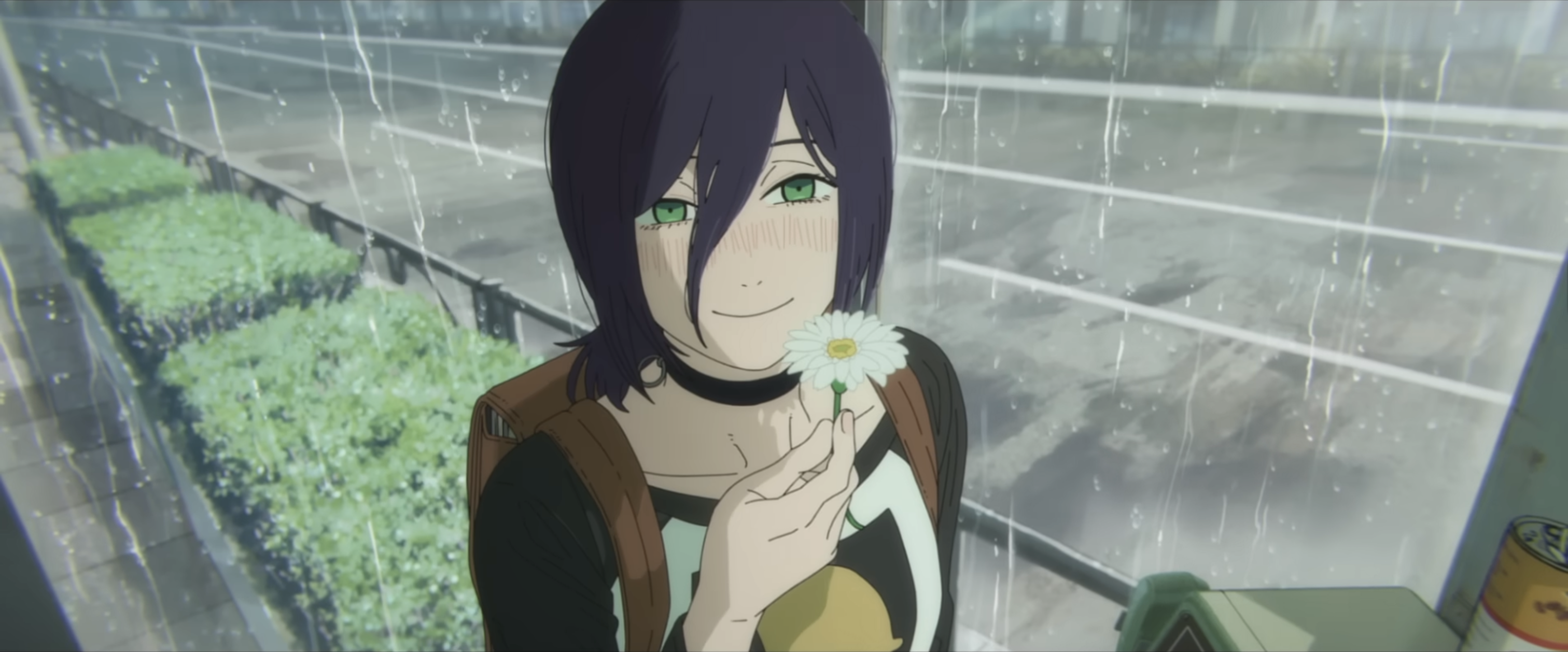
🎬 The Film: Debuting in September/October of 2025, “Chainsaw Man – The Movie: Reze Arc” was the first feature-length film from the franchise. As the manga reached its definitive finale this March, fans are excited to see the franchise’s next moves.
🪭 The Fans: Best captured through vlogs of real-life locations that inspired in-firm settings, creators share their passion for the film through diverse content formats. Fans are engaging with two of the film’s title tracks, “IRIS OUT” and “JANE DOE”, through a variety of content ranging from dance trends and makeup transitions to skits and K-pop fan edits.
The Global Epicenter: An Asian Advantage
The “frictionless” nature of anime fandom is most evident in Asian online ecosystems. Extending from India and Indonesia to Japan, Korea, and beyond, YouTube serves as a primary gateway for anime discovery.
Anime culture has a strong influence on how many online personalities in Asian markets form their identities, intersecting with verticals like fashion, gaming, and sports. From VTubers and oshikatsu (fan activity culture) to sporting victory poses from world athletic championships and anime-inspired fashion, multiple facets of both online and offline Asian identity are interwoven with influences of various anime franchises.
Creators in non-Japanese Asian markets take content to the next level, incorporating elements from their own cultures to further evolve original source material. Indian creators capitalize on the rich visuals and gripping narratives found in many anime, producing content ranging from battles between deities of traditional mythology to entirely original manga and anime based on relatable Indian high school experiences.
Likewise, Southeast Asian creators share content that blends international anime with local languages, like Tagalog song covers from the Philippines and Bahasa-dubbed parodies from Indonesia.
What Are 1021’s Anime Fans Saying?
To better understand the “why” behind the rise of anime fandom, we asked the cultural experts at 1021 about their current anime obsessions.
Inspirations From Pop Culture
One of our LATAM team members is a big fan of “My Hero Academia”, noting that the author, Kohei Horikoshi, drew inspiration from series like “Naruto”, “Spider-Man”, and “X-Men”.
The crossover between modern pop culture and traditional anime tropes is further explored on YouTube, evident through fan animations, gaming skins, and dance challenges.
ASMR and Adaptations
Many members of our Indonesia team are big anime fans, pointing out the diversity of anime content. Films like “Howl’s Moving Castle” and “From Up on Poppy Hill” often feature therapeutic ASMR-esque audio and visuals, elements that are emphasised in scene highlights on YouTube.
Likewise, narratives are frequently adapted into different mediums, seeing anime like “Rurouni Kenshin” appear as a manga, an anime, and live-action remakes.
Time on Long Form
In the birthplace of manga and anime, a member of our Japan team prominently highlighted the timeliness behind “Hunter x Hunter”. Despite author Yoshihiro Togashi’s frequent hiatuses, “Hunter x Hunter” remains a cultural juggernaut because its narrative complexity evolves alongside real-world history.
YouTube serves as the fandom's decentralized archive, transforming sparse updates into a sustaining ecosystem of deep-dive analysis and theory-crafting in long-form videos. By dissecting Togashi’s shift from ‘90s adventure to modern geopolitical noir, creators ensure the IP remains a living, thriving intellectual forum even in the absence of new episodes.
Serving Multi-Vertical Hits
Praising the character design and mouthwatering depictions of food in “Delicious in Dungeon” as well as the messages of personal growth and friendship from volleyball anime “Haikyu”, a member of our France team observed how anime often dips into other verticals to reach viewers of varying interests.
Connecting with communities around tabletop gaming, sports, and more, modern anime franchises capitalise on broader topics to engage new audiences.
With countless more testimonials sharing impassioned perspectives on anime and the impacts of fandom on everyday life, these observations denote a shift from simple consumption to active, off-screen engagement.
The End of Passive Viewing
The merit of an IP is no longer confined to the boundaries of a single video, extending to comments sections, playlists, and entire fandom communities that thrive on the riffability of creative content.
And fans aren’t the only ones recognising this shift, with companies like Crunchyroll, the largest dedicated streaming platform for anime, tapping into YouTube’s global audience to lower the barrier for engagement.
Anime franchises, series, and films have an undeniable value in today’s pop cultural landscape. However, the role fans play in the marketability of these diverse narratives is becoming increasingly intertwined with their success.
Between lo-fi remixes, deep-dive lore essays, and scene-by-scene breakdowns, fandom content is a primary driver of an anime’s success, providing a form of human-led endorsement that no marketing budget can purchase.
If you’re slaying demons without sidekicks, collecting dragon balls on a solo mission, or tackling the Everest of watching “One Piece” alone, you’re missing out on how YouTube’s fandom communities can expand and elevate these experiences.