The new hero’s journey: How streaming ecosystems turned reality TV into permanent IP
October 8, 2026
by
Kianna Watler
Whether you’ve heard the term or not, we all know what the “Hero’s Journey” is. Our protagonist of humble origins leaves their home, meets trials and tribulations along their path, and triumphs over a challenge that they’re only ready to face after growing and developing along the way.
Previously reserved for epic poetry, drama, and literature, this narrative arc now finds itself squarely within the realm of reality TV in the 21st century.
In the first era of reality TV, true crossover stardom was reserved for the rare icon. Someone like Kim Kardashian could leverage a cable docuseries into a “Dancing with the Stars” appearance and springboard into a permanent cultural force. For almost everyone else, the journey ended when the finale credits rolled.
Today, a finale is merely the pilot episode for a multi-platform, cross-network pipeline.
Unscripted TV has quietly transitioned from isolated seasonal competitions into an interconnected, platform-spanning ecosystem — a true "Reality TV Multiverse" where creator talent and IP flow continuously across formats, networks, and feeds.
This is not accidental viral luck. It is a deliberate corporate strategy designed to maximize talent investment, extend audience retention, and drive linear and streaming subscriptions.
As viewers, we don’t follow a single hero across a single journey anymore. Each format, series, and episode is a new chapter in a much larger, sometimes multigenerational story.
So, how does it work?
Anatomy of the New Talent Ecosystem
The playbook relies on treating reality personalities as recurring franchise assets rather than single-season contestants:
- Initial Discovery: Mainstream competition shows like “Survivor” and “Love Island” act as Darwinistic personality battlegrounds, absorbing the risk and effort required to source, test, and elevate the most entertaining and engaging talent.
- The Cross-Format Call to Action: Once a personality proves their appeal, adjacent shows pick up the next leg of the Hero’s Journey. Audiences are nudged to watch contestants "challenge" themselves in new environments — whether moving from a subculture reality show to a mainstream ballroom, or into a high-stakes strategy format like “The Traitors.”
- Contractual Ecosystem Expansion: Streaming platforms increasingly build digital-first follow-ups, post-show reunions, and social recaps directly into talent agreements. The audience is pulled into an ongoing multi-show narrative arc.
Ecosystem Mechanics in Action
Major media networks and platforms are actively proving how these interconnected casting loops drive cross-platform engagement:
The Broadcast-to-Streaming Funnel
Platforms are systematically integrating social-first docuseries with flagship linear formats. A breakout star can move directly from a subculture-focused docuseries straight to the floor of a mainstream ballroom competition, and subsequently into an ensemble strategy show or luxury villa format.
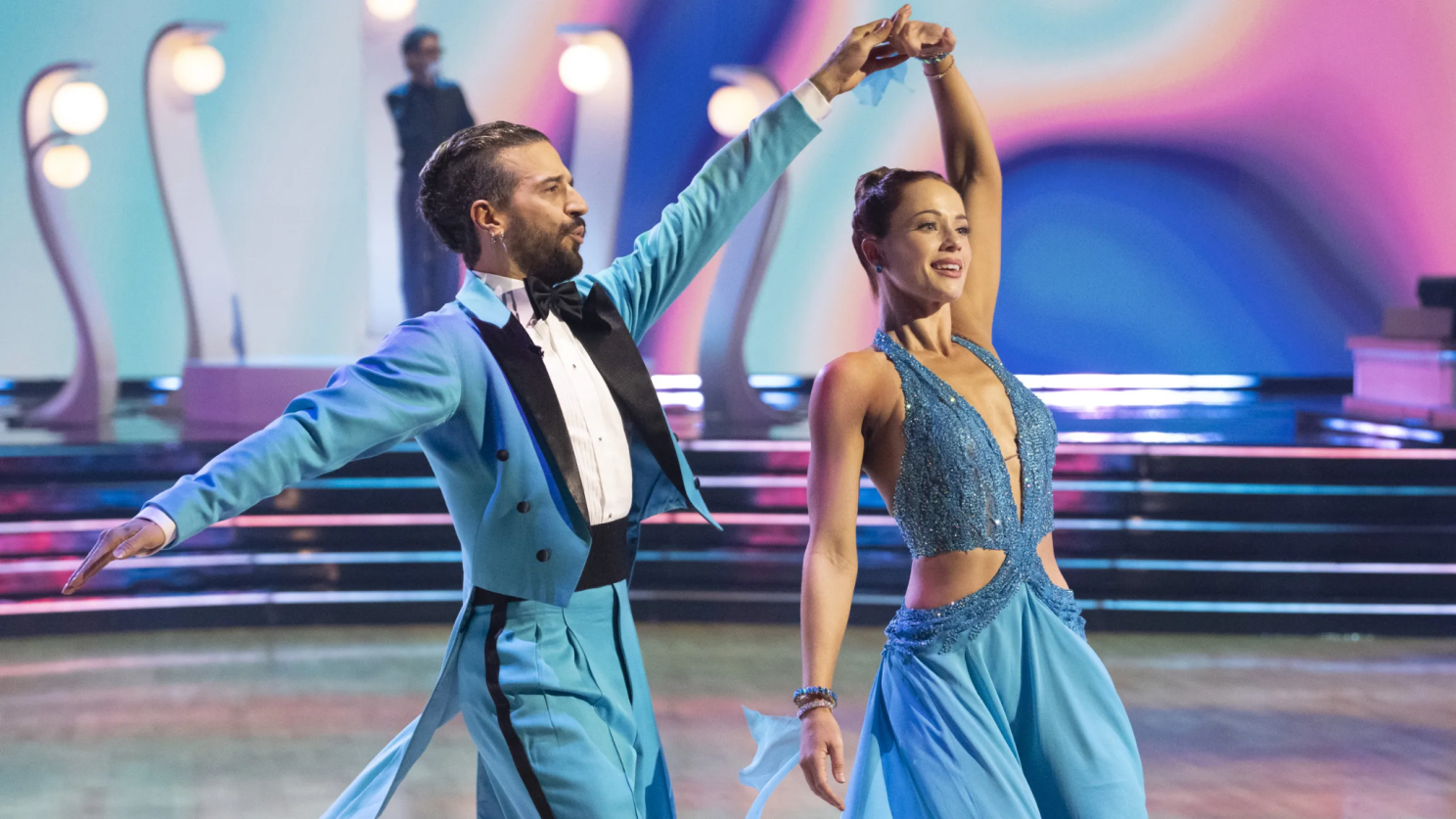
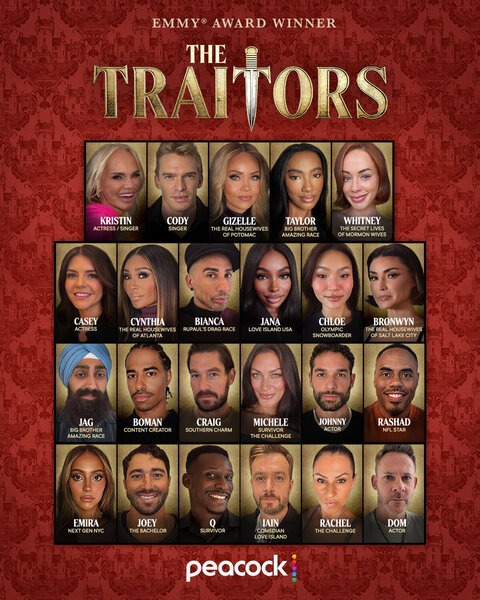
Look at Whitney Leavitt: after breaking through on “The Secret Lives of Mormon Wives,” her jump to “Dancing with the Stars” and recent casting on “The Traitors” proves how current reality stars can seamlessly power legacy broadcast mainstays and high-stakes streaming hits alike.
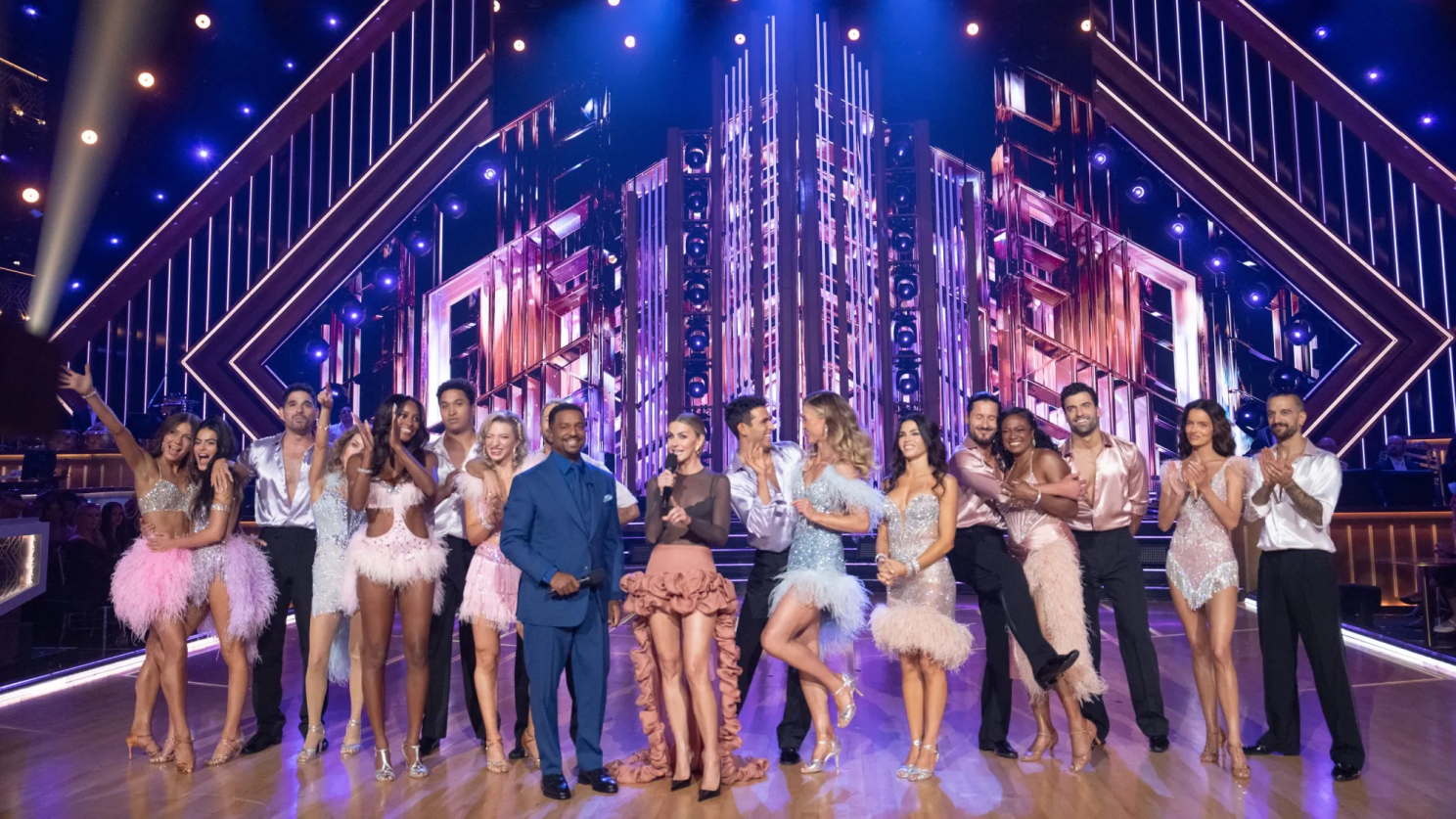
By leaning heavily into cross-franchise casting — tapping breakout stars from viral subculture series, dating franchises, and social-first ecosystems — formats like “Dancing with the Stars” have unlocked unprecedented digital engagement. Night 2 of its Season 35 premiere scored 6.44 million total viewers and a 1.32 rating among adults aged 18-49, with the two-night average standing as its most-watched premiere in six years.
The Gamified Competition Engine
Competition formats have evolved into an interconnected athletic and strategic league. Viewers no longer watch shows like “Survivor,” “Big Brother,” or “The Challenge” as isolated events.
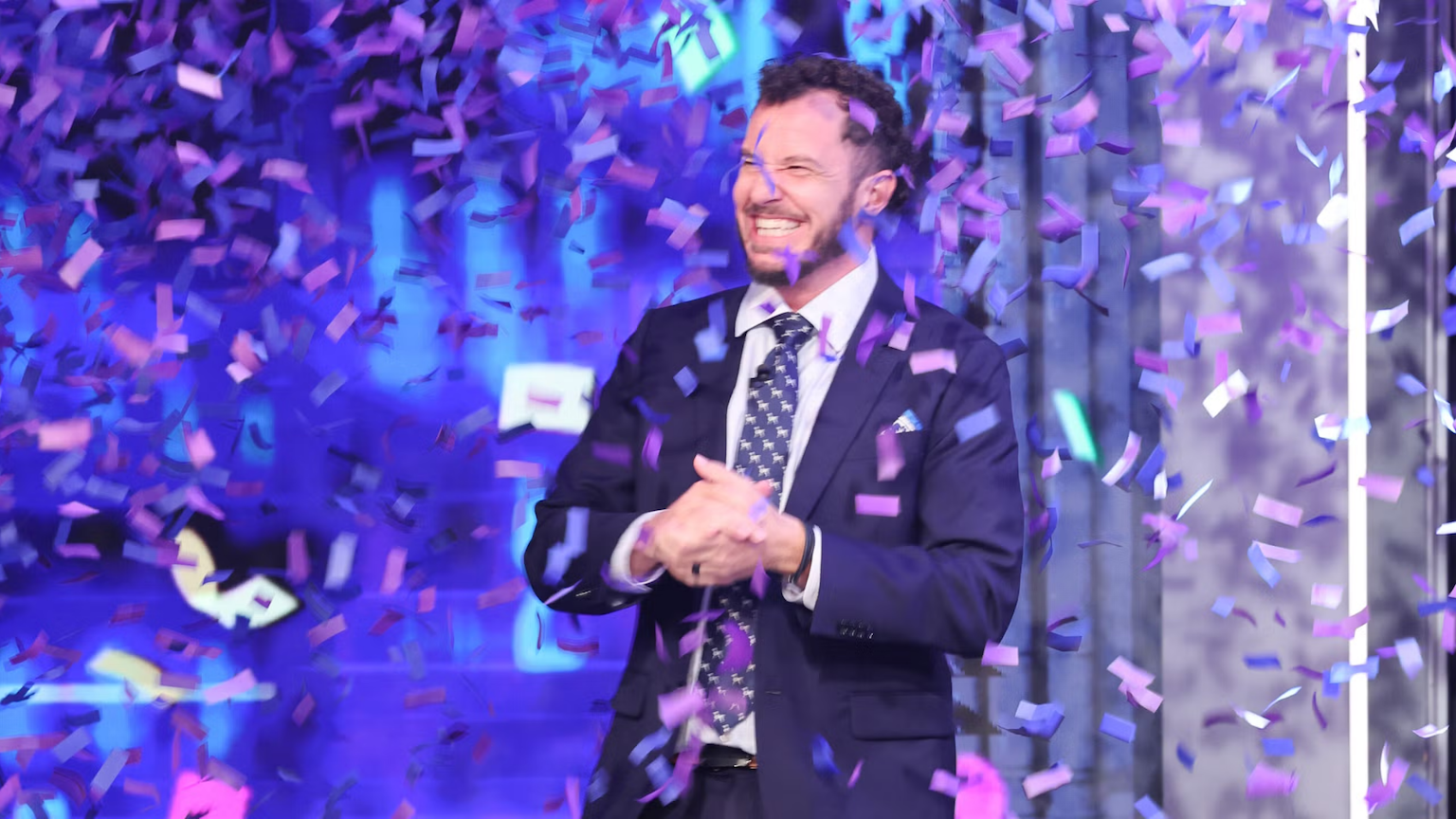
For instance, Rick Devens, who won this season of "Big Brother" right after becoming a breakout fan favorite on Survivor 50, demonstrates how players seamlessly navigate across strategic formats.
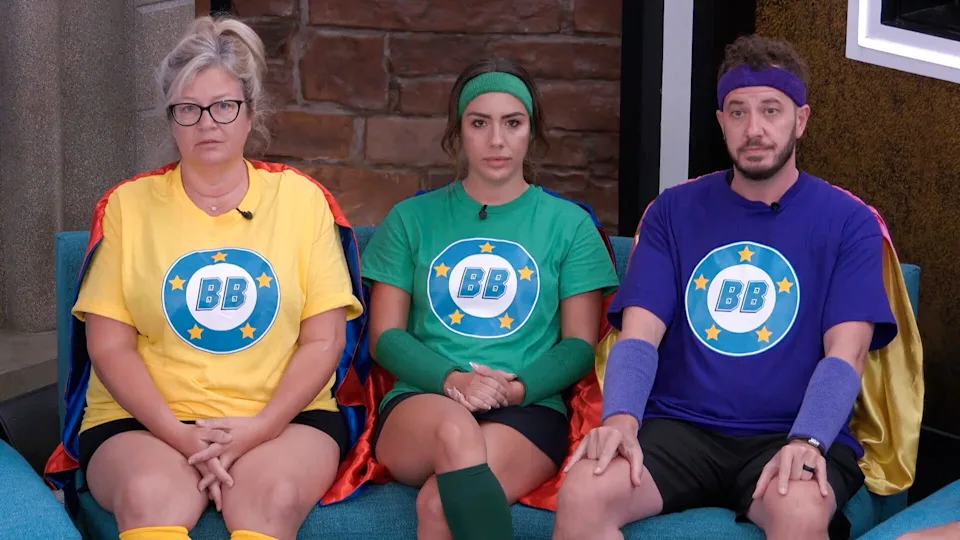
Breakout players who do so — or leverage their profile into mainstream quiz shows and massive streaming competitions — treat “unscripted” TV as an intentional, long-term media career path. Streaming platforms give second life to back-catalog seasons, while familiar faces hopping between streams give newly launched formats immediate traction.
The Streaming Spin-Off Pipeline
Modern unscripted ecosystems demonstrate how platforms lock in audience retention across seasons. Post-show spin-offs and "beyond the villa" follow-ups are increasingly built directly into initial contestant contracts.
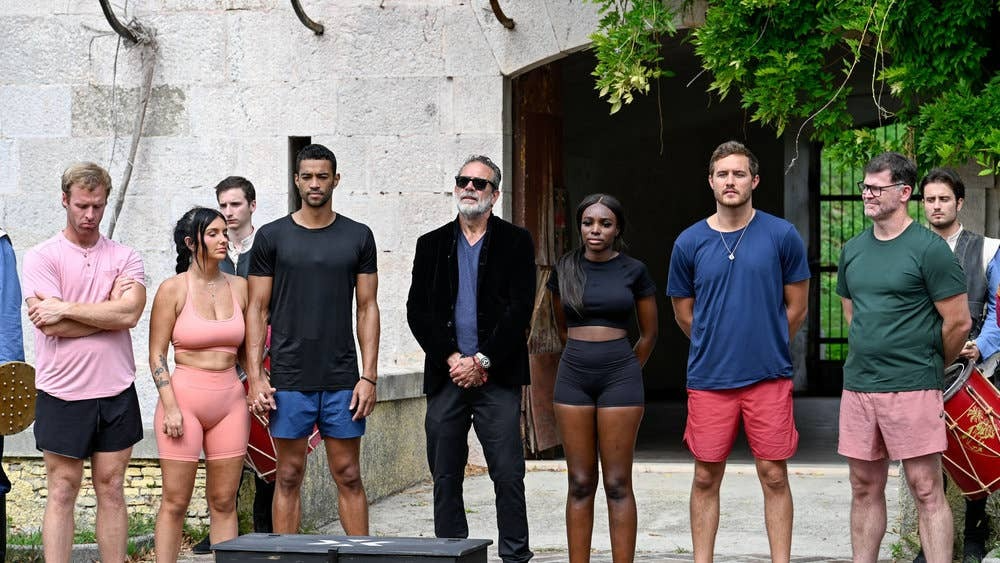
Simultaneously, breakout talent moves fluidly from dating formats into high-stakes adventure competitions and high-strategy concept shows. Take Jana Craig: immediately following her run on “Love Island USA,” she appeared on NBC’s “Destination X” and the Peacock spin-off “Love Island USA: Beyond the Villa,” maintaining her momentum to secure a spot on a recent season of “The Traitors.” Her trajectory highlights how breakout stars can sustain cultural relevance over multiple years and pivot dating-show exposure into long-term media careers that previous generations of reality contestants rarely had the runway to build. The initial show does the heavy lifting of vetting fresh talent; subsequent formats simply curate the optimal cast based on established fan investment.
Why the Multiverse Approach Works
The broader lesson for media platforms, brand marketers, and agency strategists comes down to two structural shifts:
1. Fandom Follows Characters, Not Networks
Audiences do not stay loyal to a broadcast channel or a specific time slot. Modern digital fandoms attach themselves to individual narrative arcs. When platforms curate cast rosters featuring pre-conditioned talent from other IP, they instantly inherit established, highly active fanbases.
2. Reality TV as a Permanent Career Path
Savvy talent no longer views reality TV as a fleeting 15 minutes of fame. It is treated as an intentional, long-term media career. Platforms that offer clear, multi-show trajectories secure the most compelling talent and maintain cross-platform relevance far beyond traditional broadcast windows.
The Strategic Outlook
Building an unscripted ecosystem requires moving past single-season casting briefs. Success relies on viewing talent as continuous cultural anchors that connect different audiences, platforms, and commercial opportunities.
When networks and platforms treat unscripted personalities as interconnected IP, they stop chasing temporary virality — and start building scalable, long-term audience retention.
What This Means for Brand and Content Leaders
The shift toward an unscripted multiverse isn't an isolated programming quirk — it signals a fundamental evolution in how modern audiences consume stories and invest in personalities.
To turn this structural shift into a competitive advantage, platform leads, content strategists, and marketing decision-makers should focus on three immediate priorities:
- Reframe talent sourcing as long-term IP development. Stop evaluating talent based solely on a single project or static follower count. Assess creators and unscripted personalities for their cross-format mobility, narrative endurance, and ability to pull an audience across platforms.
- Build ecosystem pathways early. Design content slates with deliberate connective tissue. Whether through social-first spin-offs, post-season recaps, or strategic crossover appearances, give audiences a clear next step so interest doesn't dissipate when a finale airs.
- Align commercial strategy with ongoing character arcs. Brands that sponsor unscripted ecosystems win when they integrate into a creator’s multi-show journey rather than buying a one-off placement. Audience trust is earned through continuity, not isolated impressions.
The platforms and media companies that thrive tomorrow won't just produce great single-season shows. They will design interconnected talent pipelines that keep audiences engaged, invested, and active across the entire platform ecosystem.