Why your favorite TV rewatch feels "wrong": The growing epidemic of soundtrack malpractice
July 8, 2026
by
Jenna Mars
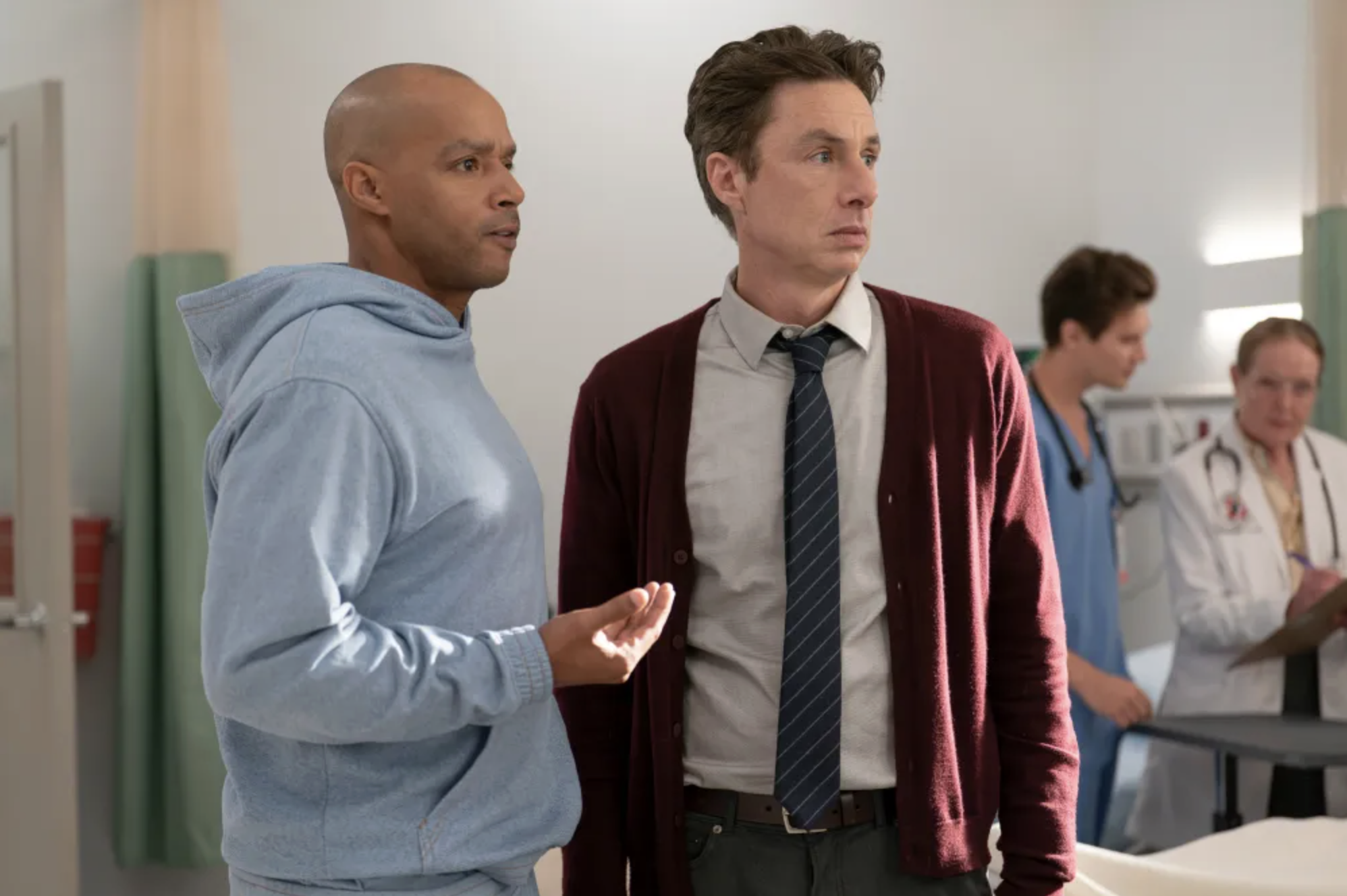
The “Scrubs” revival finale aired last week, and while seeing JD, Turk, and others back at Sacred Heart gave us all the feels, it proved that some things — like a finely curated soundtrack — are still timeless.
The comeback is impressive, but the real story here is the master class “Scrubs” has inadvertently given us over the last quarter-century on why streaming platforms absent-mindedly “vibe-shifting” TV shows through soundtrack swaps are the ultimate form of creative malpractice. The original series was a leading contender in the unofficial “battle of the TV soundtracks,” coming up against shows like "Grey's Anatomy" using indie anthems to turn hospital hallways into emotional battlegrounds.
These carefully curated soundtrack moments were a labor of love by the show’s music supervisor Christa Miller (who also plays “Jordan” in the series), her husband and series creator Bill Lawrence, writer Neil Goldman, and the show’s breakout star, Zach Braff, who plays Dr. John “J.D.” Dorian.
Sacred Soundtrack
Sure, we’ve had great soundtrack moments in other shows that have come before “Scrubs,” like:
- Dr. Green’s tender “Somewhere Over the Rainbow” montage in the 1990s medical drama “E.R”
- The wistful will-they-won’t-they “Friends” Ross and Rachel moment set to U2’s “With or Without You”
- The iconic “With a Little Help From My Friends” intro of “The Wonder Years” that sonically time-shifted viewers from the ‘80s to the late ‘60s
The case for “Scrubs” is they had these breakout soundtrack anomalies not just a few times, but for almost every episode for the entire run of the show. There are of course too many great song and scene pairings to list from the show’s impressive 10 seasons, but some key moments where music, story, and picture aligned powerfully were:
- Colin Hay’s “Overkill” as a melancholic anthem for the sleepless caregivers who have given that Hippocratic Oath the authority over everything else in their lives
- Joshua Radin’s “Winter” softly tearing our hearts as both the viewer and Dr. Cox discovers his brother-in-law Ben has passed
- Carla and nervous hospital administrator Ted honoring a patient’s last request by singing Poison's “Talk Dirty to Me” in beautiful harmony
- And the first time Elliot and J.D. jump in each other’s arms to Nil Lara’s “Fighting For My Love.”
Without giving any spoilers on the Season 10 finale, I will say this revival hasn’t lost that beat; it keeps the heart and snappy humor of the original while introducing us to new playlist favorites like indie artist Mon Rovîa’s “Heavy Foot.”
At 1021 Creative, we’re fascinated with the "why" behind these cultural moments. This finale isn’t just a sitcom season wrap-up; it’s a lesson in why soundtracks are a core narrative asset and why the streaming era makes that asset harder to protect over time.
The Music Supervisor Arms Race
During its original run, “Scrubs” competed alongside shows like “Grey's Anatomy” for musical control over the audience’s emotional heartstrings. “Scrubs” would create a hit, and later, the same track would be featured on the hospital drama.
For instance, Radin’s “Closer” brought strong emotional context to “Scrubs” in 2001, and later echoed the hospital halls of “Grey’s” in 2005.
Down the road, “Scrubs” experimented with format and created a musical episode in 2007, and the cast of “Grey’s Anatomy” began their proverbial singing lessons a few years after that for their 2011 musical episode.
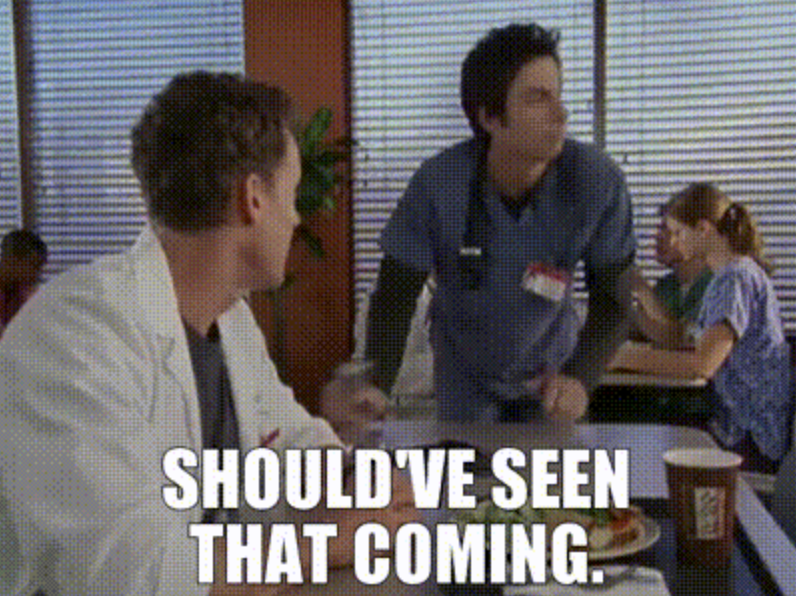
This race got so intense that the shows took shots at each other in the storylines!
We all know the reason it got heated was because these weren't just background tracks; these songs were emotional anchors. Think about how a specific indie track could make a sterile hospital hallway feel like the center of the universe.
The Pseudo-Mandela Effect of Licensing
Today, we see a strange cultural erosion, and even a soundtrack as adored as the original “Scrubs” is not immune.
A rewatch of the original series on streaming platforms reveals major shifts in the show’s iconic soundtrack, and it’s not just the fans of the show that feel the effects of being almost gaslit into a fake Mandela Effect.
Even the show’s stars, Zach Braff and Donald Faison, have called attention to these changes in their “Scrubs” centered podcast: “Fake Doctors, Real Friends.” Because of complex music licensing shifts, older shows are being stripped of their original soul when they are offered on streaming platforms.
- Licensing Whiplash: For fans of the original “Scrubs,” a rewatch of the series can be full of both rewards and disappointment. The original series packs some of its music gems, like Lazlo Bane’s “Superman,” but has swapped some favorites as the show moves from one streaming platform to another. The swaps are inconsistent and based solely on what music the streaming platform currently has the rights to place.
- Placeholder Music “Punk’d” Us: When “Beverly Hills, 90210” appeared on Paramount, the soundtrack swapped early ‘90s anthemic hits from Paula Abdul and Color Me Badd for generic tracks that sound like they belong in a 2000s reality show like “Punk’d.”
- “I Don’t Wanna Wait” for This Theme Song to Vanish: When “Dawson’s Creek” first appeared on Netflix, the iconic Paula Cole theme was replaced with a "streaming-safe" alternative by Jann Arden that just didn’t pack all the feels and instead created a visceral sense of "wrongness" for longtime fans.
Music is character and tone identity, so making the above changes can feel jarring to viewers. For instance, imagine a world where Darth Vader marches into the Rebel blockade runner, and instead of the menacing, brassy notes of the “Imperial March,” we hear the soft, “Brat-Pack” crooning of Spandau Ballet’s “True.”
The character doesn't change, but the entire cultural weight of the moment evaporates, leaving fans confused and, yes, arguably heartbroken.
When a platform swaps a song, they aren't just saving on licensing fees — they’re altering the integrity of the story and breaking the audience’s trust.
The New Narrative Asset
It’s not all doom and gloom in our modern age, though. Netflix proved that when you lean into the soundtrack, you can trigger global cultural resurgences — just look at Kate Bush and “Stranger Things.”
ABC’s “Scrubs” revival is once again doing it right by carefully curating moments for both legacy artists and brand new favorites like the aforementioned “Heavy Foot,” but is the show’s cultural legacy limited to the platform that airs it?
What happens if “Scrubs” bounces back to Netflix or Paramount; will this shift make “Heavy Foot” disappear and give fans a heavy heart?
When it comes to legacy shows, preservation of the soundtrack should be as simple as the preservation of the picture. Streamers are certainly getting that part right.
When we watch “Friends,” for example, we see Jennifer Aniston as Rachel Green consistently on any platform that streams “Friends,” but could you imagine if we didn’t? What if licensing or monetary issues led to recasting roles in the show? We expect to see the original cast of “Friends” sitting on that tufted couch in Central Perk just as much as we expect to hear The Rembrandts’ “I’ll Be There For You.”
Until viewers are assured their favorite shows will remain untouched, they’re seeking other methods to preserve “Scrubs”’ Christa Miller and other music supervisors’ legacy.
Recently, there’s been a resurgence in physical media sales like DVDs, CDs, and yes, even re-issues of soundtracks on vinyl are having a moment! Well-curated and created soundtracks, like “Josie and the Pussycats,” quickly sell out. But we can’t ditch the convenience of streaming, so what’s the solution here?
- Operationalize the Craft: For streaming platforms, music wouldn’t be a line item added at the end and instead integrated into strategy from the start.
- Human-Led Curation vs. Algorithmic Swapping: If streamers hit a dead end in a licensing deal, causing an inevitable music swap, they should lean on human-led curation to keep the integrity of the piece intact.
Music is the shorthand for emotion, and great music curators understand the assignment given to them by music lovers around the world. At 1021 Creative, we help our partners navigate these shifts so that the "soul" of their content stays intact.
What’s the one TV song that, if changed, would completely ruin the show for you?