Stop chasing culture: What Q1 taught us about brand marketing in 2026

July 8, 2026
by
Insights from 1021 Creative
We've spent a good portion of the first quarter with our friends at Brand Innovators. From CES in January to SXSW in March, every room had its own topic and its own host.
Underneath all of it, the same topic: marketers are sitting on mountains of data and struggling to make it mean something.
Although the signals exist and consumer behavior is easily tracked, the connective tissue between all the data is what keeps coming up as the gap. Specifically, the interpretation that answers who these people are and why they behave the way they do.
Here are seven critical signals that we kept hearing:
1. Culture is infrastructure, not integration
Diageo's Karen Harris said it so well at SXSW: "You can't find it, chase it, insert yourself. You have to earn it, and it takes time."
She pointed to Don Julio 1942's 2024 Academy Awards moment with Jimmy Kimmel — a years-long relationship that turned what should have been a five-second product placement into something genuinely significant.
The brands doing this well have made cultural presence a standing investment, something that compounds over time the way infrastructure does.
2. Data is the rearview mirror. Obsession is the windshield
The most quotable line of SXSW came from the Q-tips session: "Data is in the rearview mirror. Culture is in front of you."
Their repositioning around "we obsess over your obsession" reflects a brand that has reconnected with the emotional rituals of its category rather than its functional utility.
Mastercard's Priceless campaign — now 25 years old — opened the conference with the same argument. The insight that success was being redefined around intangible experiences rather than possessions generated not just a tagline but a platform that has remained culturally relevant across decades.
Brands that want 25-year ideas need 25-year insight engines — the kind that build cultural understanding as a discipline, sustained and cumulative over time.
3. AI is accelerating execution, not understanding
General Motors and Cadillac surfaced the clearest tension of the conference: a marketing stack can generate hundreds of ad variants daily across national, regional, and dealer levels, and yet a Cadillac dealer in Texas could still want a creative that doesn't exist.
Samsung described a 20% ROAS improvement through smarter search buying — impressive in isolation — while simultaneously acknowledging that better GenAI creative output requires better inputs.
Cultural intelligence is what turns better data into better creative.
4. Creators are not your brand
Multiple sessions across events surfaced real anxiety about brands over-relying on creator partnerships for cultural relevance.
One framing that stuck: "Brands have forgotten who they are. Creators are not your brand — they have their own brands."
The brands that cede their cultural identity to creator relationships will struggle to sustain meaning once those partnerships end.
5. The funnel is being renegotiated in real time
Social commerce, agentic AI, and LLM-driven discovery are changing where and how purchase decisions happen. YouTube's Elizabeth Del Valle captured it well at the Diageo event: decisions used to happen in a storefront, now "they happen in a single scroll."
Diageo's Jason Acker added: "We have a second audience, which is LLMs."
Brands designed for a linear funnel are redesigning everything — including what they put on product detail pages, how their content appears in AI Overviews, and how they make sure the information large language models draw from is consistent with their brand.
6. Branding has always been a back-and-forth between what a company intends and what people decide it means
Dr. Marcus Collins said it at SXSW: marketers own the brand, how it moves and its channels, but people ultimately decide its meaning, in a process always "ping-ponging" between the two.
KFC's Valerie Kubizniak reframed the real question from audience reach to experience design — are we creating something actually worth talking about?
Chili's Jesse Johnson traced the brand's 19 consecutive quarters of growth back to something simple: social listening, followed by organizational alignment between marketing and operations so they could actually deliver on what they heard.
7. Fewer, bigger, better
PepsiCo's Drew Ingram's comments in Austin echoed across every event this quarter. Brands that spread thin are pulling back.
The pattern is consistent across retail, in sports, in creator marketing, in partnerships. The question has shifted from how many touchpoints to which ones actually matter, and whether the organization is willing to commit long enough for them to compound.
What does culture mean for us?
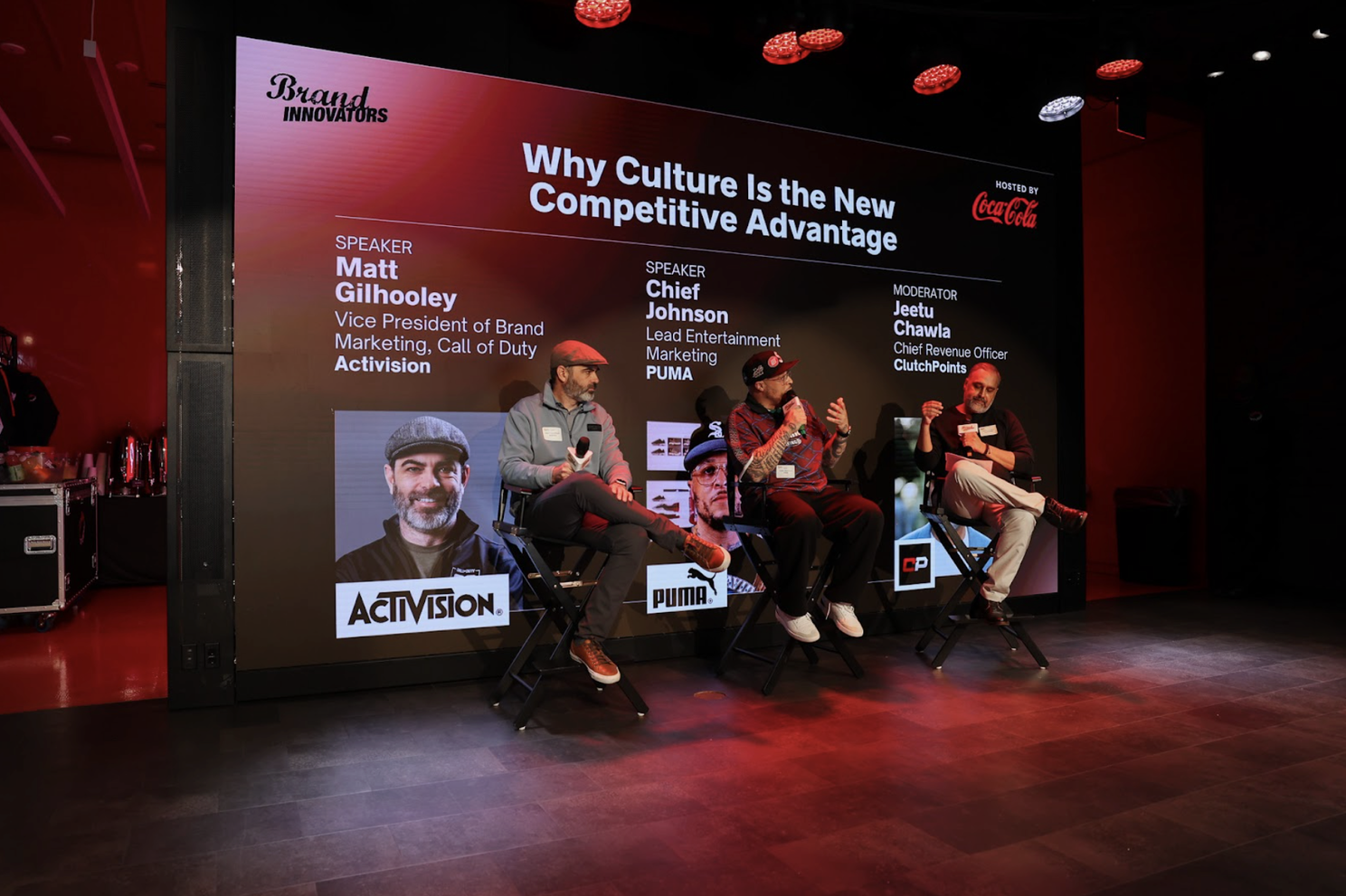
The undercurrent through all of it: the brands in these rooms were not short on budget, tools, or agency relationships.
What kept surfacing as the real gap was upstream cultural clarity — the kind that shapes briefs before they are written, that identifies tomorrow's buyer before today's data can see them, and that helps an organization move with intention rather than just speed.
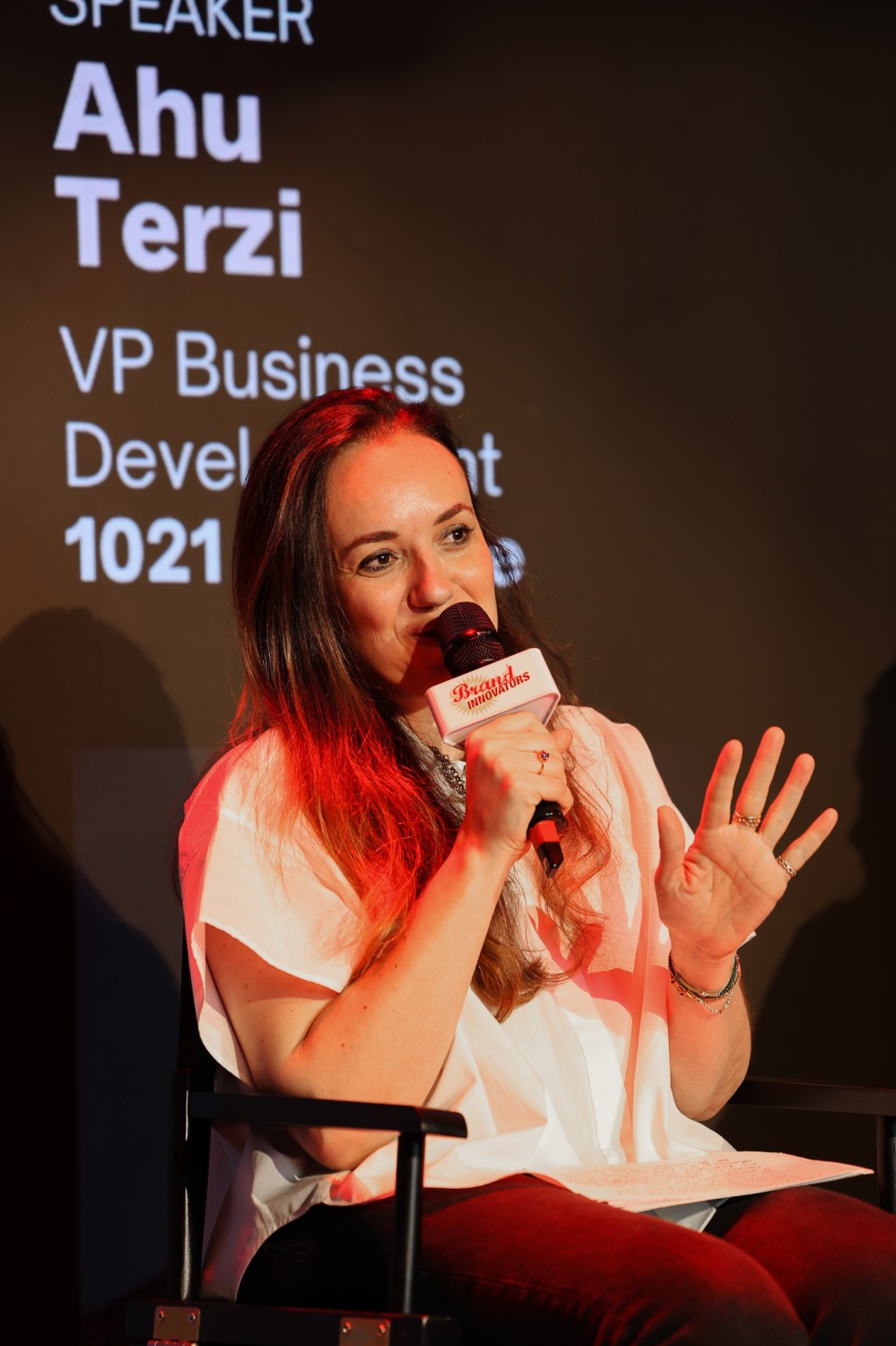
On a panel where 1021 Creative's own Ahu Terzi contributed, she said, “Data tells you what happened. Cultural intelligence tells you what it means.”
The marketers who figure out how to bring those two things together in an always-on cultural intelligence practice are the ones who will be able to answer the question everyone is circling.
What does this mean for culture? And what does culture mean for us?