Beyond the big screen: How indie animation is rewriting the entertainment playbook
July 8, 2026
by
Insights from 1021 Creative
Animation’s place in digital culture has changed, and this change isn't coming from the major studios you’d expect.
Independent, online-first animators engaging with the medium as a hobby are finding receptive, welcoming communities built on fandom and a shared love of animation.
These creators are reshaping the entertainment industry by bypassing traditional gatekeepers and building massive, global audiences from their bedrooms.
The Democratization of the Drawing Board
The barriers to entry have crumbled. Access to professional-grade tools has allowed creators to skip the line, moving directly from an idea to a global trend without a studio's green light.
This shift has birthed a decentralized industry where solo animators are securing major deals and proving that creators are the new auteurs. We are seeing a boom in creator-led animation: from original high-concept narratives to relatable "storytime" shorts and the culturally dominant "animatic."
What Are Animatics?
Perhaps the most significant development in this wave is the rise of the animatic — a series of sketches or simplified animations synced to audio. These seemingly "rough drafts" have become a vital bridge between fans and creators.
Animation fans are no longer just passive consumers, actively enriching the "fandom ecosystem". A perfect example is the concept musical “EPIC,” where fan-made animatics became so popular they served as the primary engine for the property's growth, eventually leading to a major studio film deal.
When fans see their own character designs or scene interpretations acknowledged by mainstream studios, the line between consumer and contributor blurs, creating a level of IP loyalty that traditional marketing simply cannot buy.
The Indie-to-Mainstream Pipeline
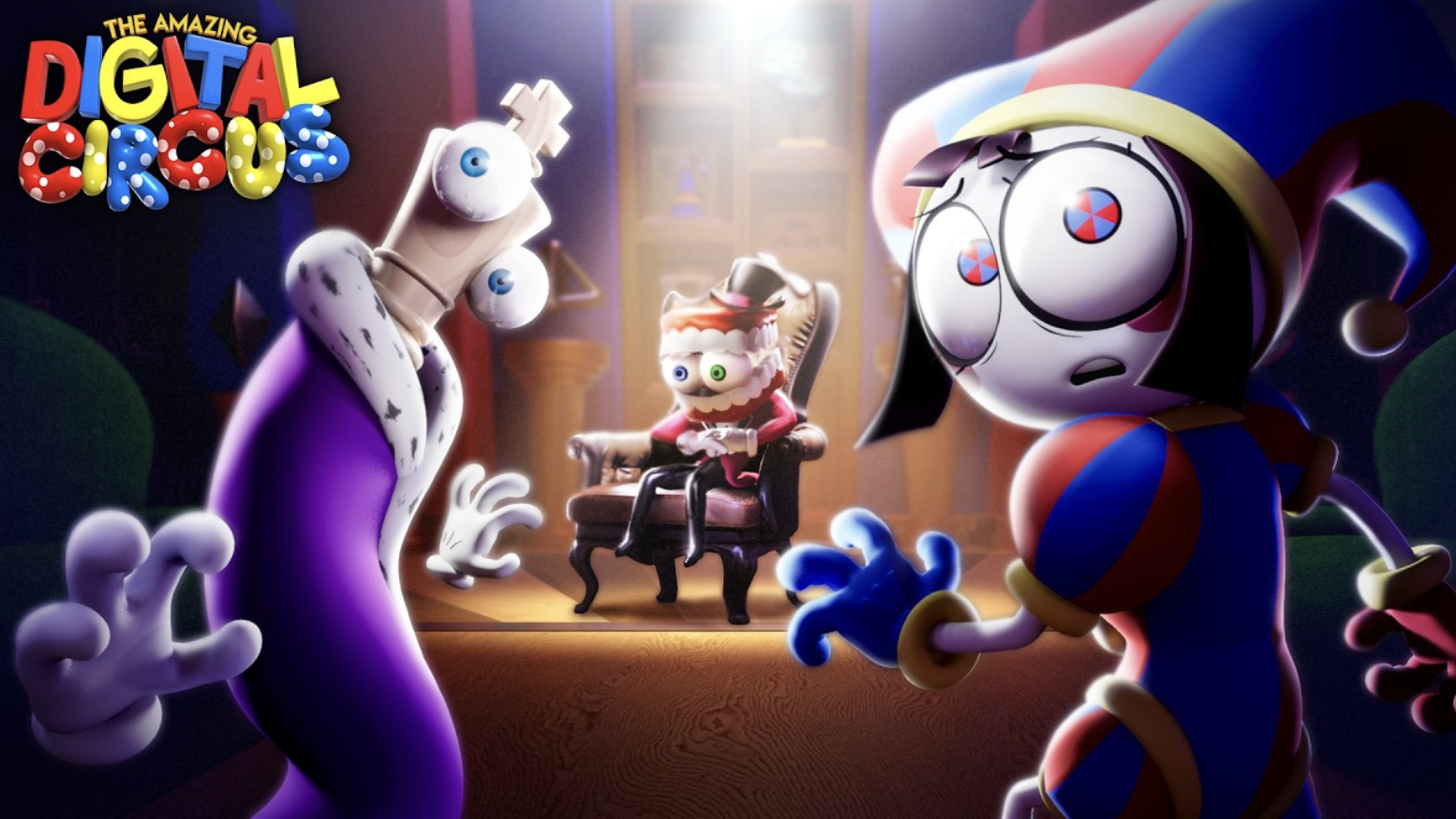
Success in the indie space is now a proven springboard for global achievement. Take “The Amazing Digital Circus” — after releasing just four episodes, it became a viral sensation, ultimately leading to theatrical releases and massive visibility for individual contributing animators.
Another emerging global example is Studio Wrong, a rapidly growing Japanese indie studio led by two animators, Nashi and HANEDA2007, known for posting 3D animations with original narratives on YouTube. Their recent pilot, “Bloody Mary,” has garnered more than 1M views in two weeks, contributing to a surge in views and subscribers.
Global audiences are tuning into regional animations, supporting the full creative pipeline from animatic to animation.
Actionable Strategy: Navigating the Animation Shift
The boundary between fan and creator is dissolving, and with this change, we believe traditional media must shift from a "broadcast" mindset to a "collaborative" one to remain relevant.
For brands and platforms, the message is clear: you need to stop watching the trends and start fueling the ecosystem.
- Capitalize on the "Pilot-to-Scale" Model: Sponsor or support small, independent teams that achieve viral success with a single pilot. These micro-studios often need strategic support to scale their production without losing the agility that made them popular in the first place.
- Fuel the Fan-Made Ecosystem: Don't just protect your IP — open it up. Properties that provide tools or "communal canvases" for fans to create their own animatics or memes will see a significantly longer cultural lifespan.
- Capture the "First Video" Wave: There is a surge of young storytime animators launching channels with introductory videos. Establishing early brand loyalty by supporting these emerging voices as they find their footing can create long-term cultural dividends.
Indie animation is the new frontier of storytelling, a space where sparks of creativity are fanned by a supportive, positive community into full-scale projects driven by creativity and collaboration.
The question is no longer if you should participate, but how you can credibly belong in these spaces.