Going analog makes you more punk (less daft)
July 8, 2026
by
Gospel Cruz
The ‘90s called (yes, on a landline). “Go analog,” they said.
And, after conducting some experiments, I’m sorry to report that in the same way exercise is beneficial despite its miseries, going analog has regrettably proven beneficial to my mental and physical well-being.
I know, it sucks.
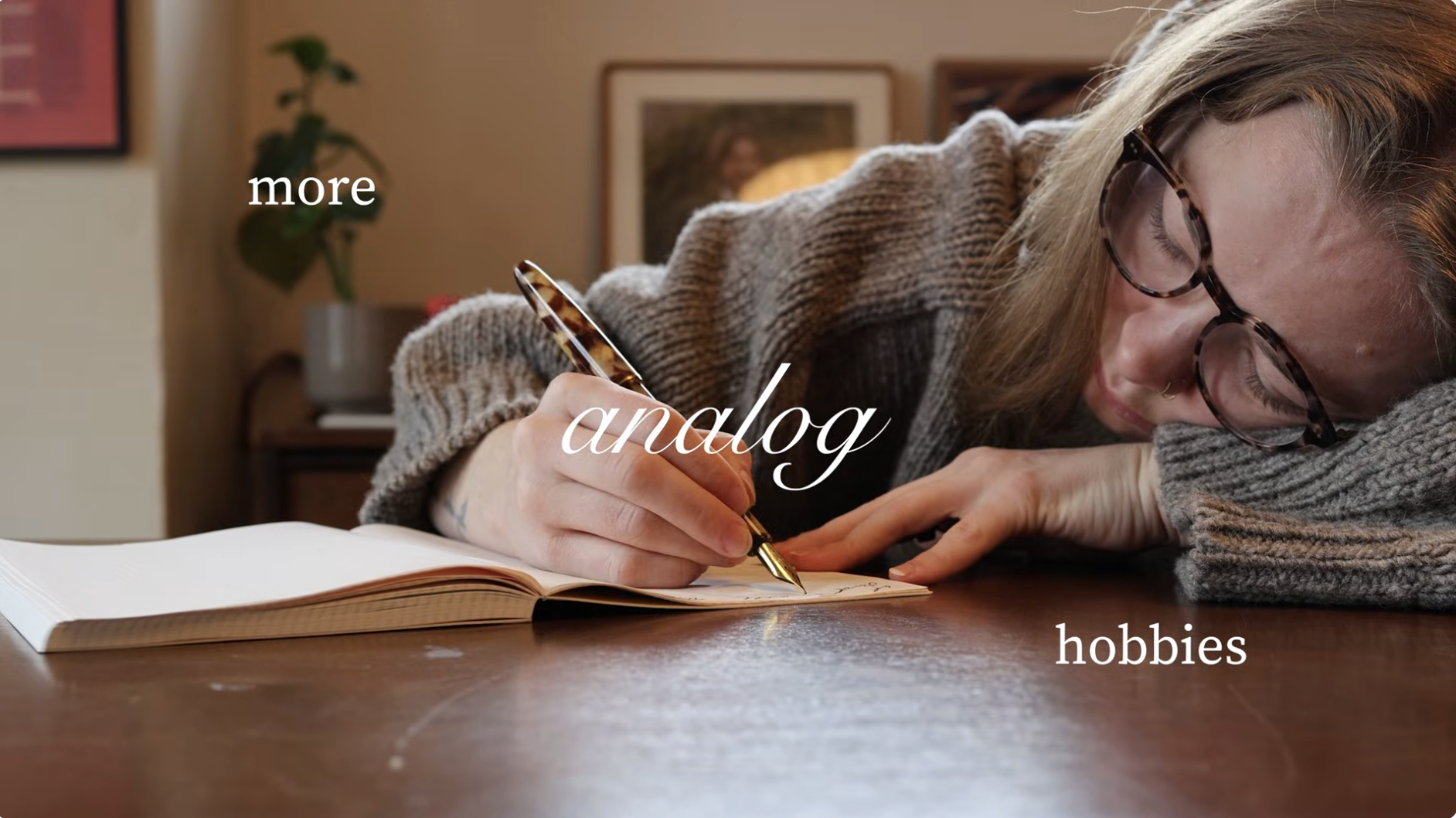
“Going analog” is a sleeper movement that’s ramped up in the past few months among young content creators declaring a need for less screen time. Participants swap their blogs for Moleskines, Kindles for paperbacks, and generally abstain from anything pre-smartphone.
It’s more than just “fauxstalgia.” Even before this latest trend, we’ve seen several prototypical attempts from millennials to combat the overwhelm of modern life with minimalism and “digital detoxes” throughout the 2010s.
Over the past decade, Gen Z and Gen Alpha have gravitated towards tactile, physical, and in-person experiences, as demonstrated by everything from the slime toy boom to the return of disposable film cameras and malls as a third place.
For those who’ve suffered the frustrations of social media, online-only education, and AI since infancy, going analog is as much of a novel adventure as it is a serious solution.
The Experiment
As a person old enough to know the sad meaning of an empty “squeeze and shake” case at the video cassette rental, going all analog again was a lot. I did, however, conduct a month-long experiment adding a couple of non-digital hobbies to my rotation that included tango dancing, sewing, and journaling.
These are some things I learned.
Lesson 1: Sometimes, pain is the point
Week one of going analog, I got cramps in my calves from dancing, in my neck from sewing, and in my hand from journaling because all of my muscles there had atrophied. You can suspect why I had migraines, as well.
While I was more frustrated than I had ever been in recent years, I also became more patient, disciplined, and deeply proud of my progress — forgotten virtues in the instant gratification era.
Lesson 2: Analog brings texture and dimension
When I’m bored, it’s easy to open my phone and let content happen “at” me; my face merely a location that content scrolls by.
A world only experienced through a screen can quite literally feel ephemeral and flat.
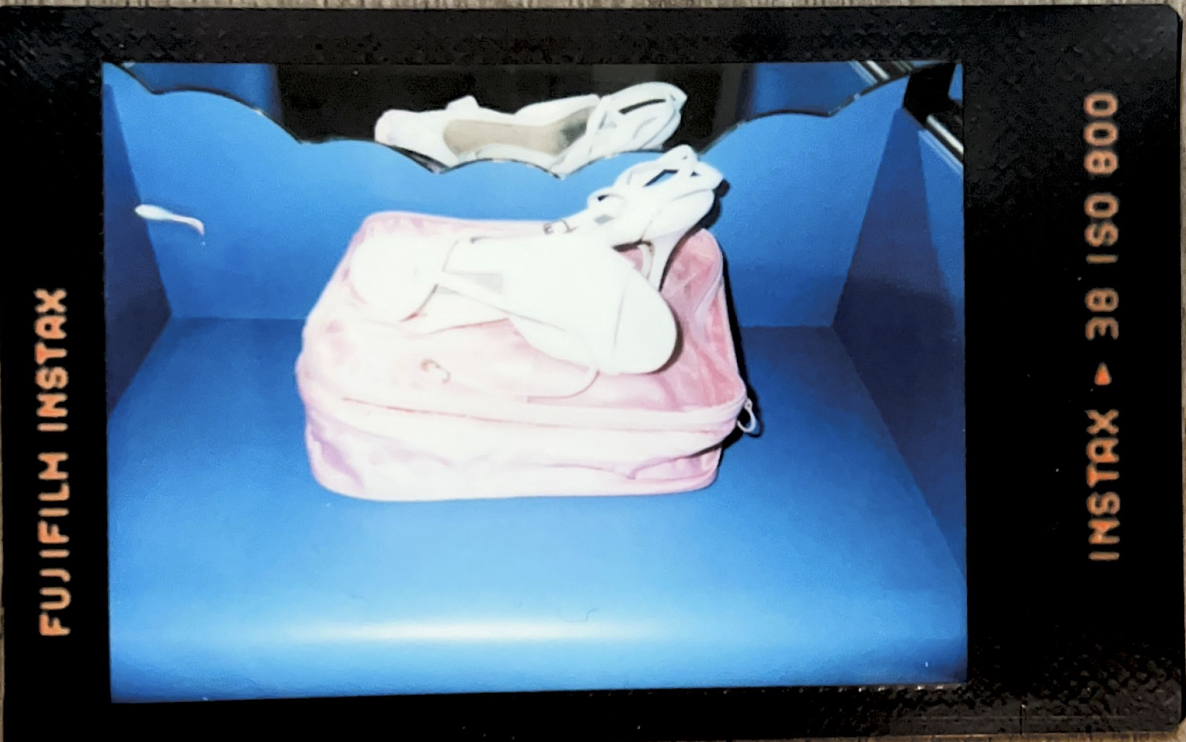
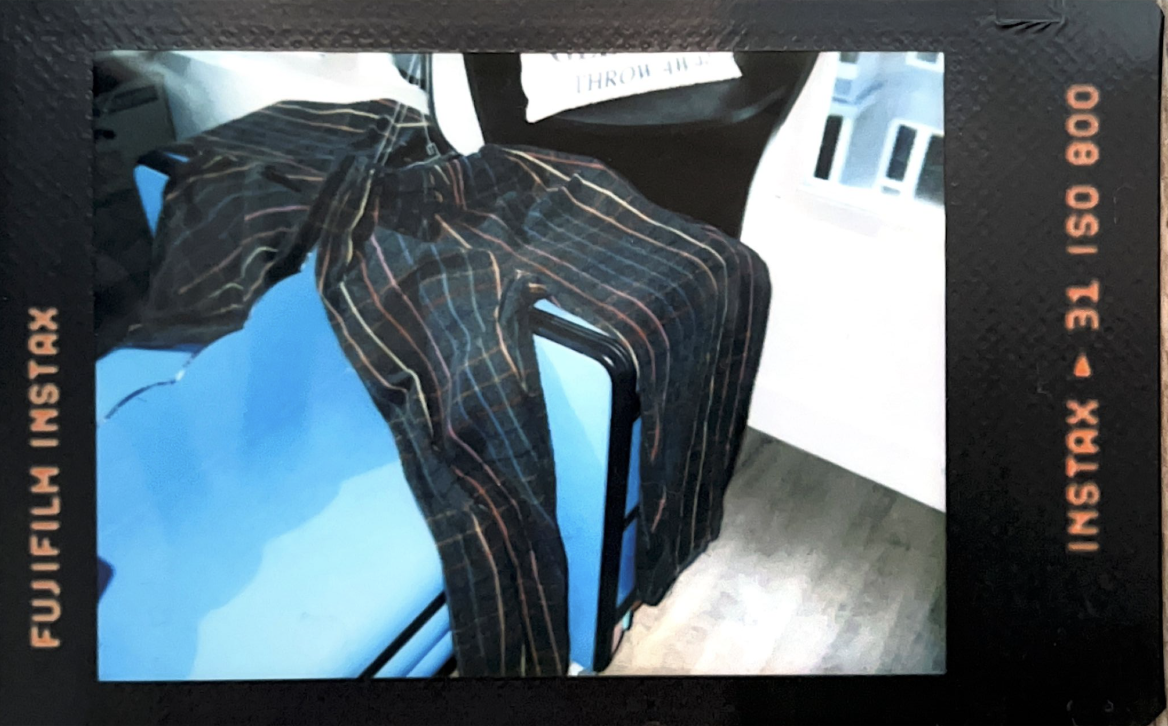
Conversely, going analog left grounding, tangible evidence of the life I was living. I had a pair of cozy pants I could wear as proof I learned to sew them. I had pages of journal entries documenting the return of my handwriting to top form.
Actively participating in my existence made me better at using my senses and produced a physical mark on the world that couldn’t be erased on some digital cloud.
Lesson 3: Going analog = a personality reset
In an age where the internet treats attention as a commodity to be bought, sold, and manipulated, I know I can at least trust my own thoughts when I block out the noise. More time critically reading and writing = less time being influenced by an algorithm.
Pre-chewed mush gets fed to baby birds. Like most food worth eating, life is better with a bite to savor. Consuming information slowly has not only helped me digest it faster, but also cultivate a stronger sense of self and taste.
Conclusions
Critics of the “going analog” movement warn against a trend that leans towards overconsumption — influencers ironically touting trendy “analog bag” hauls that drive viewers to TikTok shops — but most still agree with its ideological heart when done right.
Dabbling in the analog has led me to conclude that human independent thought is more integral to shaping future culture and taste than ever before. This counterculture campaign encourages our ideas to develop and mature offline outside algorithmic bubbles of bias. In other words, it lets us cook.
I’m no purist; I hope to also take these lessons into my digital life and work. I still foresee more people using technology to bond in-person and create something “real” (which amusingly seems like more of a feeling).
So with my experiment over, it is with great remorse that I must relay my findings: going analog does make life harder, but it also makes you better, faster, and stronger. Now, cue the synths.