Narrative friction: Why the uncomfortable movie is winning
July 8, 2026
by
Arturo Aguilar
We’ve reached a point of algorithmic exhaustion where most content feels like background noise. When stories are engineered solely to meet market expectations, they lose the ability to actually move us.
The result is a landscape of safe bets that are statistically likely to be watched, but culturally destined to be forgotten.
Now, we may be witnessing the end of the “Frictionless Era.“
For a decade, the industry prioritized content that was easy to digest, algorithmically optimized, and emotionally “safe.“
Now, if you look at the 2026 Oscar nominations and many “Best of 2025” lists, you’ll notice something uncomfortable:
A new phase in cinema as entertainment and art where audiences crave the messy, nonlinear, uncompromising human truths that algorithms usually edit out.
The films dominating the conversation — and the nomination counts — are the ones that refuse to play it safe, arguing that narrative friction is the new luxury.
Audiences aren't just watching movies like “After the Hunt” or “The Secret Agent”; they are enduring a challenging and demanding (yet rewarding) experience, one that requires attention and patience, focus without multitasking, and a very good dose of introspection.
And audiences are coming back for more.
The Disruptors: A Global Breakdown of Subverting Expectations
Let’s analyze the provocateurs currently redefining the global film-industry landscape:
The European Sweep: “Sentimental Value”
Joachim Trier’s Grand Prix winner at Cannes Film Festival broke records at the European Film Awards and went on to win the BAFTA for Best Film Not in the English Language. It’s a film about a dysfunctional family that avoids every prestige cliché. It’s messy, politically sharp, and deeply human.
Cultural intelligence means recognizing that local stories with universal emotional friction travel further than global stories with no edge.
The Historical Subversion: “Hamnet”
Chloé Zhao took a Shakespearean footnote and turned it into an exploration of grief that feels almost invasive in its intimacy. Moving beyond a simple period piece — it’s a visceral experience of loss. Recently Jessie Buckley won the BAFTA for Best Actress in a Leading Role and the Actor Award (formerly the SAG Award) for Outstanding Performance by a Female Actor in a Leading Role for her work on this film.
This is where “the craft” meets “insight.” High production value is now baseline; high emotional stakes are the differentiator.
The Sociopolitical Mirror: “One Battle After Another”
Paul Thomas Anderson’s latest is a “thrillingly helter-skelter“ counterculture caper that drops viewers into a revolutionary cell without setup or spoon-fed information. It captures the paranoia of the American police state through a chaotic lens, shifting from an aggressive, fragmented opening to a more recognizable — but no less intense — genre picture. The film industry has taken notice, as the movie has won the BAFTA for Best Film, the PGA (Producers Guild of America) Award for Best Theatrical Motion Picture, and the DGA (Directors Guild of America) Award for Best Feature Film.
It suggests that internet culture is culture and that societal change is often a byproduct of personal responsibility and parenthood rather than just abstract ideology.
The Familiar Paranoia From Abroad: “The Secret Agent”
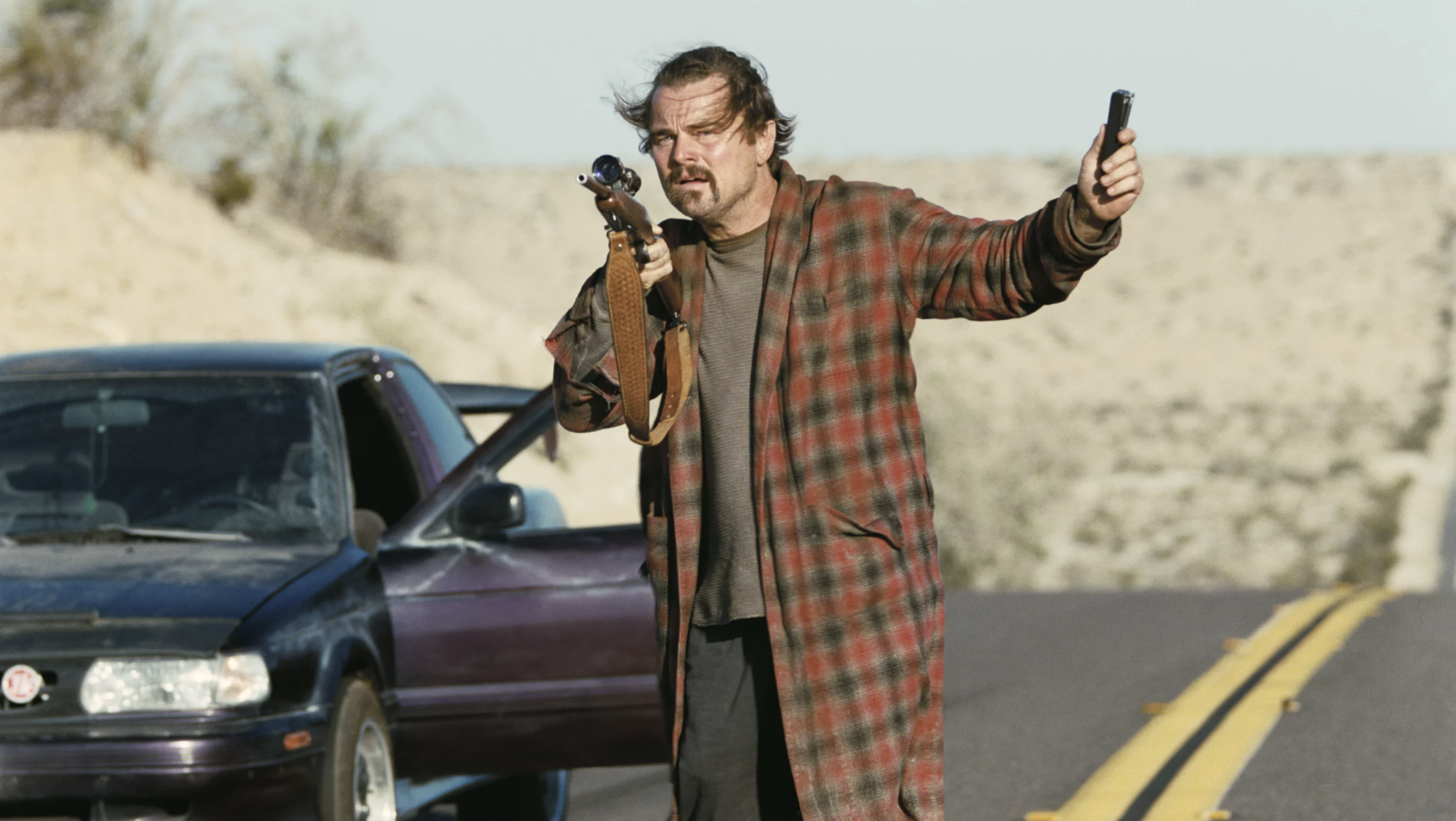
This Brazilian political thriller, directed by Kleber Mendonça Filho, swept the International Cinephile Society (ICS) Awards last month. Set during the 1977 military dictatorship, it follows a researcher hunted by the elite, using the tension of a police state to explore themes of fascism and woe.
Its success proves that global audiences are hungry for “local“ stories with universal emotional resonance, rejecting the idea that political films must be Western-centric to be globally relevant.
Uncomfortable Conversations on Motherhood: “If I Had Legs Id Kick You”
Mary Bronstein’s film is a “fever dream immersion into parental stress.“ It centers on a mother (Rose Byrne) dealing with a child's feeding disorder and a literal collapsing ceiling, shifting tonally between black comedy and cosmic horror.
By keeping the child’s face unseen until the final scene, it forces a claustrophobic focus on the unacknowledged labor and burnout of motherhood, framing it as a waking nightmare rather than a heroic sacrifice
The Complexity of Trauma: “Sorry, Baby”
This film challenges the typical revenge or trauma tropes prevalent in post-#MeToo cinema. By focusing on a literary professor who cannot find the words to describe her experience, it forces the audience into a slow, circular healing process that hides more than it shows.
It argues that true narrative honesty isn't about graphic detail, but about the friction of silence and the refusal to offer a “sexy“ or valiant resolution.
The “Forensic“ Drama: “After the Hunt”
Luca Guadagnino’s campus thriller doesn't just cover a #MeToo accusation; it performs a cultural autopsy. Refusing to give the audience a moral high ground, it forces a level of post-screening debate that a comfortable film never could.
Engagement isn't just clicks; it's the duration of the conversation after the credits roll.
Complexity as a Competitive Advantage
Films like “Sentimental Value” or “The Secret Agent” are strategic disruptions. By refusing to provide easy answers or safe political stances, they demand a level of engagement that frictionless media can’t match.
In a world where AI can summarize a standard script in seconds, an un-summarizable experience becomes a rare commodity.
This is cultural forensics in action: identifying that audiences are beginning to crave the messy, complex, and often uncomfortable human truths that algorithms usually edit out.
From Participation to Contribution
For brands and platforms, the lesson isn't to be politically incorrect for the sake of it, but to value narrative honesty over consensus.
True cultural impact goes beyond following trends — it comes from having a defensible, unique perspective that starts a conversation.
When we stop chasing short-term virality and start offering thought-provoking experiences, we build something far more valuable: lasting cultural relevance.
These films are more than just art; they are a direct response to a culture tired of predictable, algorithm-friendly stories.
Why This Matters for Brands and Creators
The upside of going against market expectations is defensibility. When you create something that is “refreshing“ because it’s difficult, you create a moat. You can’t prompt your way into the nuance of “Sorry, Baby.” You can’t optimize the tension of “The Secret Agent.”
In a world of AI-generated consensus, the politically incorrect or narrative-breaking choice is the only one that feels authentically human.
The 1021 Recommendation
As we head into the final Oscar stretch and what producers, filmmakers, writers, and marketers can learn, here are a few recommendations to inform your strategy.:
- Stop looking for likability, look for resonance: These are experiences you talk about and share for days and weeks after having them, moments that ignite conversations with others and with yourself. They stay in your mind and are thought provoking and not easy to digest because they speak of universal emotions and deep ideas.
- Embrace the glitch: The moments in these films that make you want to look away are exactly why you’ll remember them in 2030.
- Invest in friction: If your content doesn't challenge your audience, it isn't fully realized — it's just noise.
Which of this year’s provocateurs changed how you think about your own industry? Let's discuss in the comments.