🚀 NYCC-bound: How comics and graphic novels are shaping mental health conversations
October 22, 2026
by
Insights from 1021 Creative
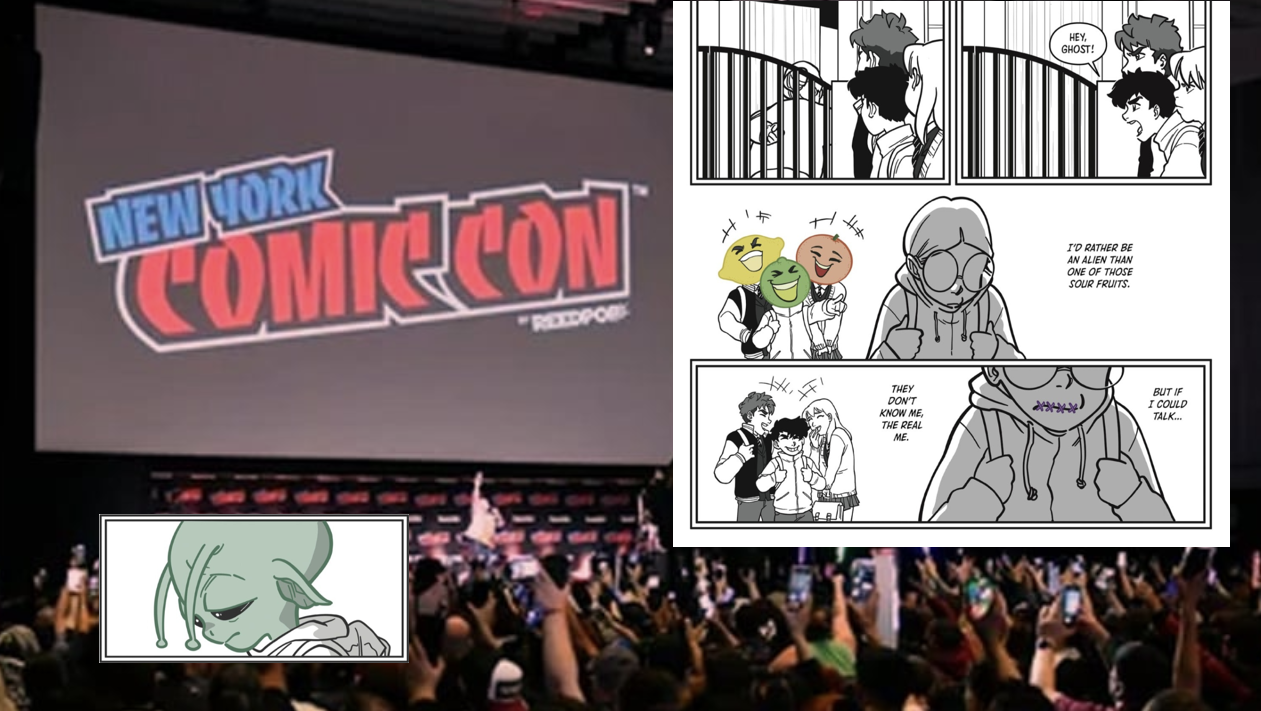
New York Comic Con is officially here, and the 1021 Creative team is hitting the floor! We’re on-site for our client Comixology, providing full promo and live social media coverage throughout the convention.
While NYCC is famous for blockbuster reveals and cosplay, one of the most powerful themes we’re bringing to this year’s con is the deep connection between comics and mental health. Remember the comic you couldn’t put down as a kid? It did much more than entertain you.
Our Agency Perspective: Why Comics Matter for Mental Health
Comics and graphic novels bridge abstract emotional struggles and tangible visual art. Seeing characters and real creators navigate anxiety, depression, and trauma helps readers feel seen, validated, and less alone.
Conventions like NYCC provide a stage to normalize open conversations around mental wellness, turning storytelling into a tool for healing and community support. We believe breaking stigma is a GREAT use of pop culture.
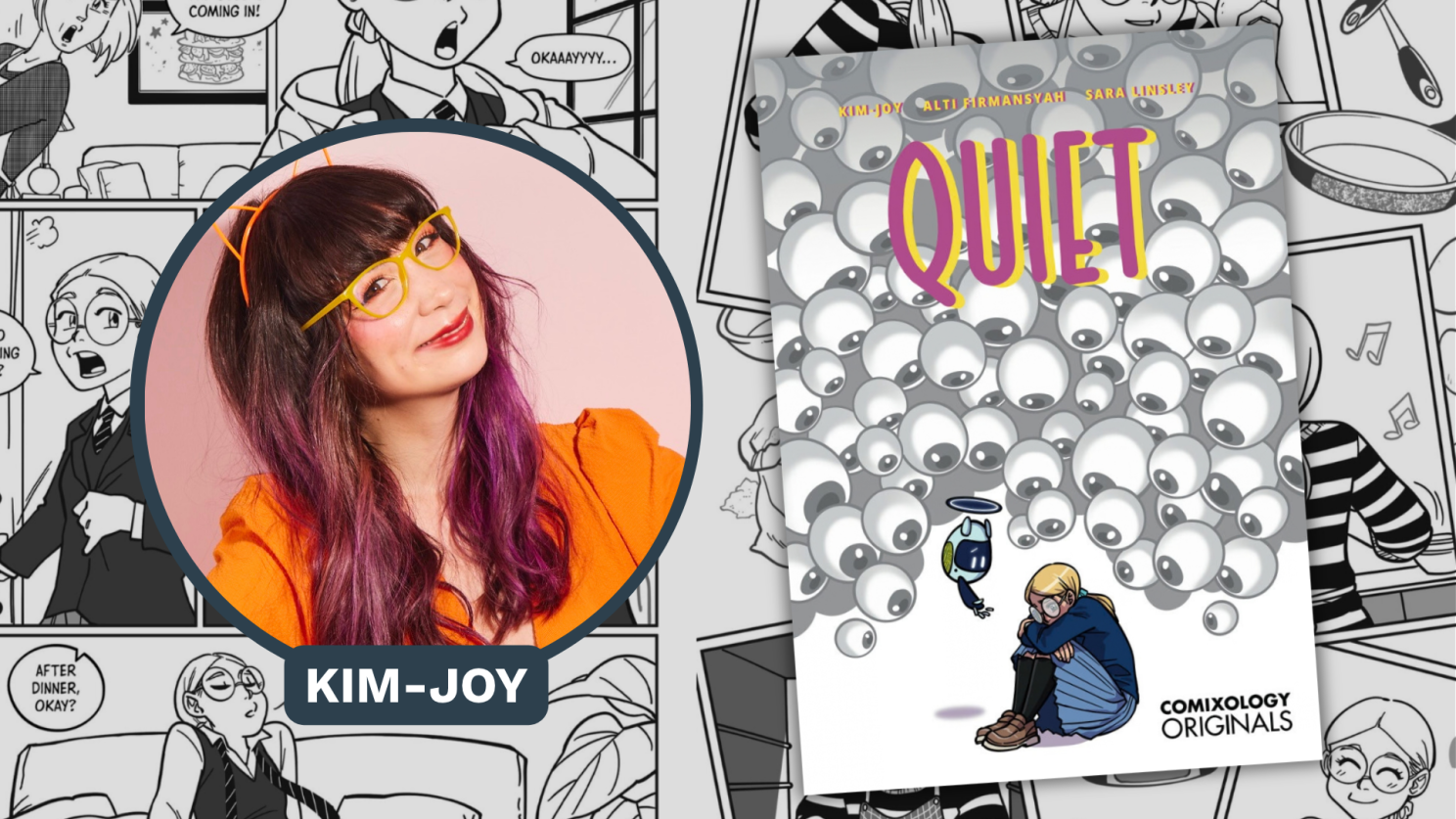
NYCC’s Featured Panel on Comics in Mental Health
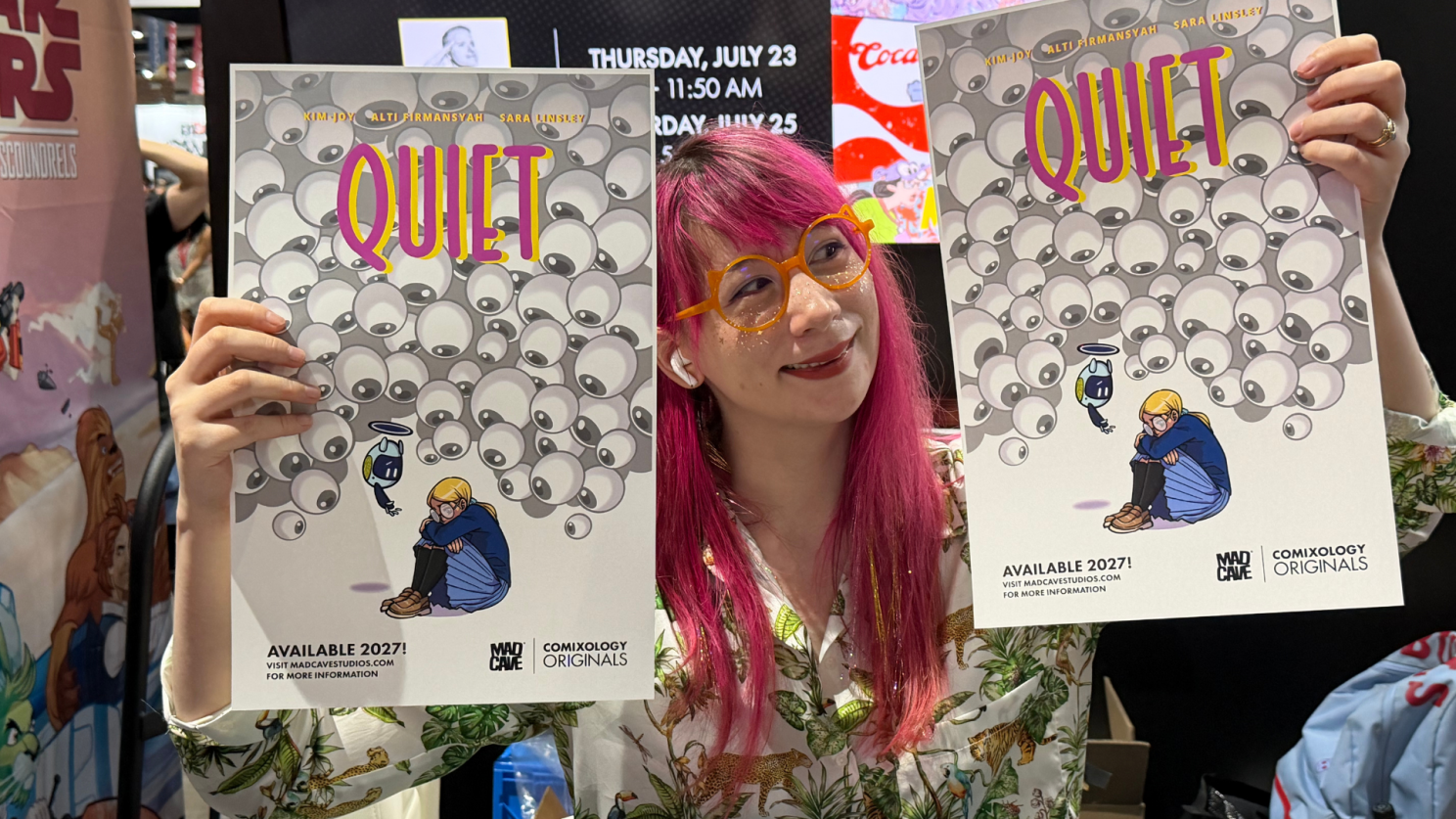
Heading the panel is Kim-Joy. Known for her warmth and creativity, The Great British Bake Off contestant’s new book Quiet offers a heartfelt look at mental wellness, self-acceptance, and finding inner peace.
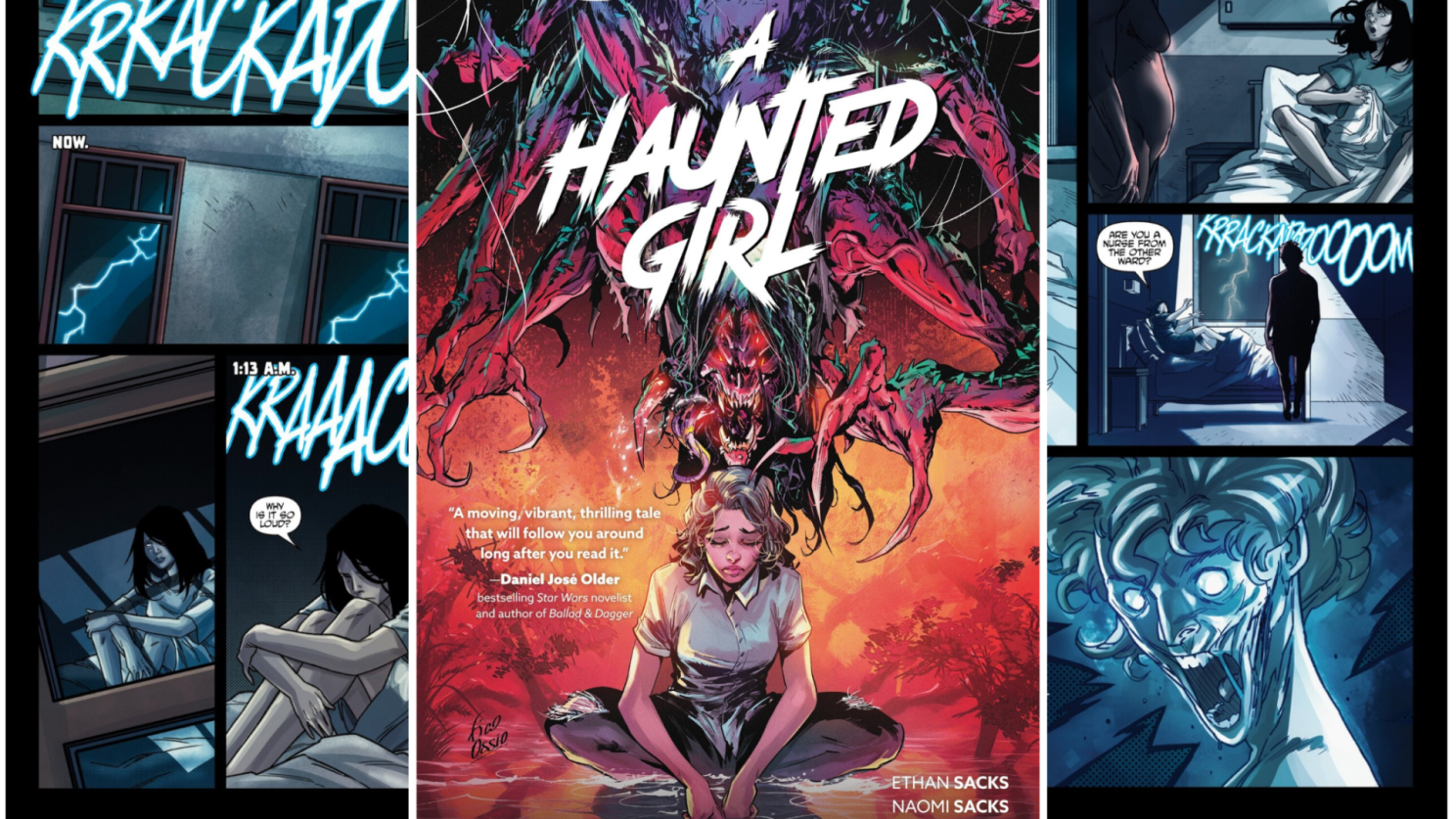
Joining Kim-Joy are Ethan and Naomi Sacks. Their co-authored book, A Haunted Girl, is a deeply personal story born directly out of Naomi’s own mental health journey and struggles. Comics industry leader Barbra Dillon, from Fanbase Press, will moderate. (We hope to see you there! Kim-Joy talks Quiet: Mental health and Comics takes place Sunday, October 11, at 11:15 AM ET in Room 1C03.)
The What, How, and Why: Cognitive and Developmental Power of Comics
There are many reasons why comics are the perfect medium to start, continue, or fall in love with reading – especially for those who seek emotional comfort or struggle with reading as a whole.
Comics and graphic novels use multimodal learning: the simultaneous processing of visual art and text. This structure makes sequential art uniquely effective.
For mental health specifically, the format works well because of imagery and pacing.
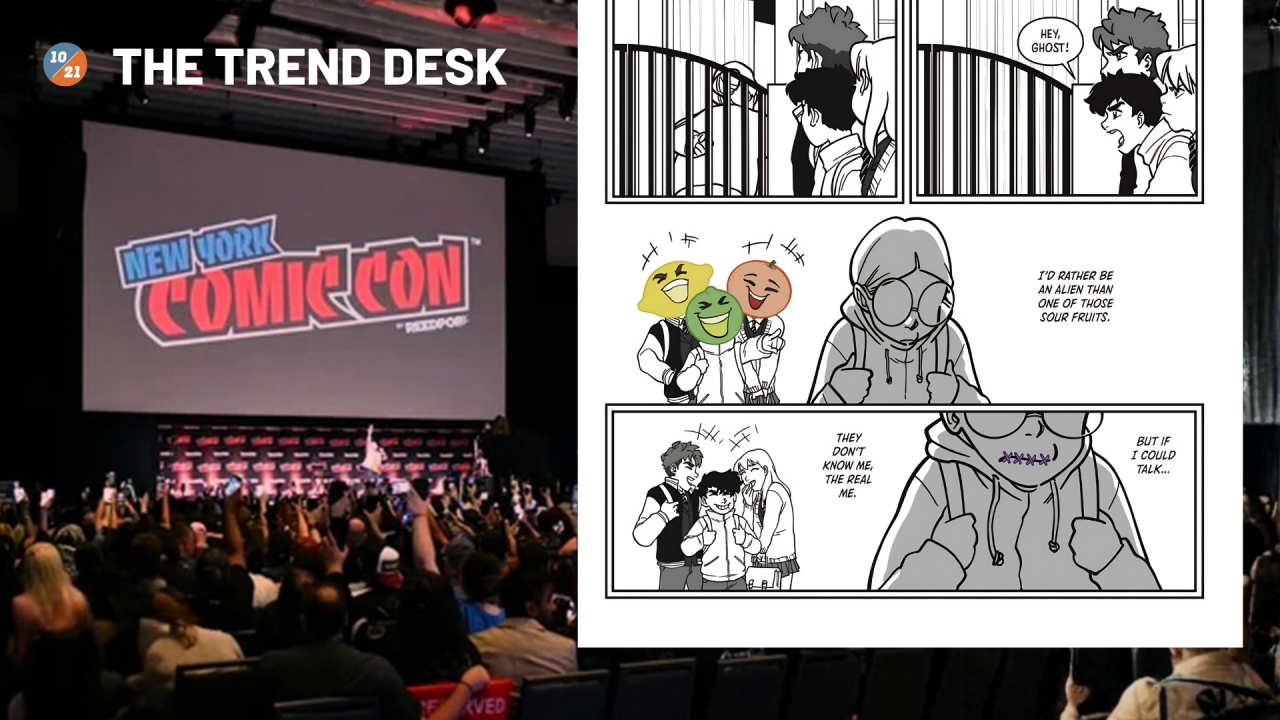
Imagery: Challenges like anxiety, depression, or PTSD can feel abstract and isolating. Visual storytelling turns internal states into concrete imagery (e.g., a shadow, maze, or monster), making heavy emotions easier to articulate and process.
Pacing: Reading a graphic novel allows individuals to engage with traumatic or difficult themes at their own pace. Pacing across panels gives the reader mental space to digest emotional content without feeling overwhelmed.
Beyond mental health, comics have proven beneficial for early reading and literacy development.
Context Clues: For young readers, illustrations act as immediate context clues. If a word is unfamiliar, the visual provides instant feedback, accelerating vocab learning without breaking reading flow.
Real-World Speech: Unlike dense prose, comics mirror real-world dialogue, speech patterns, and emotional cues, helping early readers grasp tone, subtext, and narrative pacing.
Stamina and Reward: The less text per page reduces reading fatigue while still delivering full story arcs, helping children experience the intrinsic reward of finishing entire books independently. (👏)
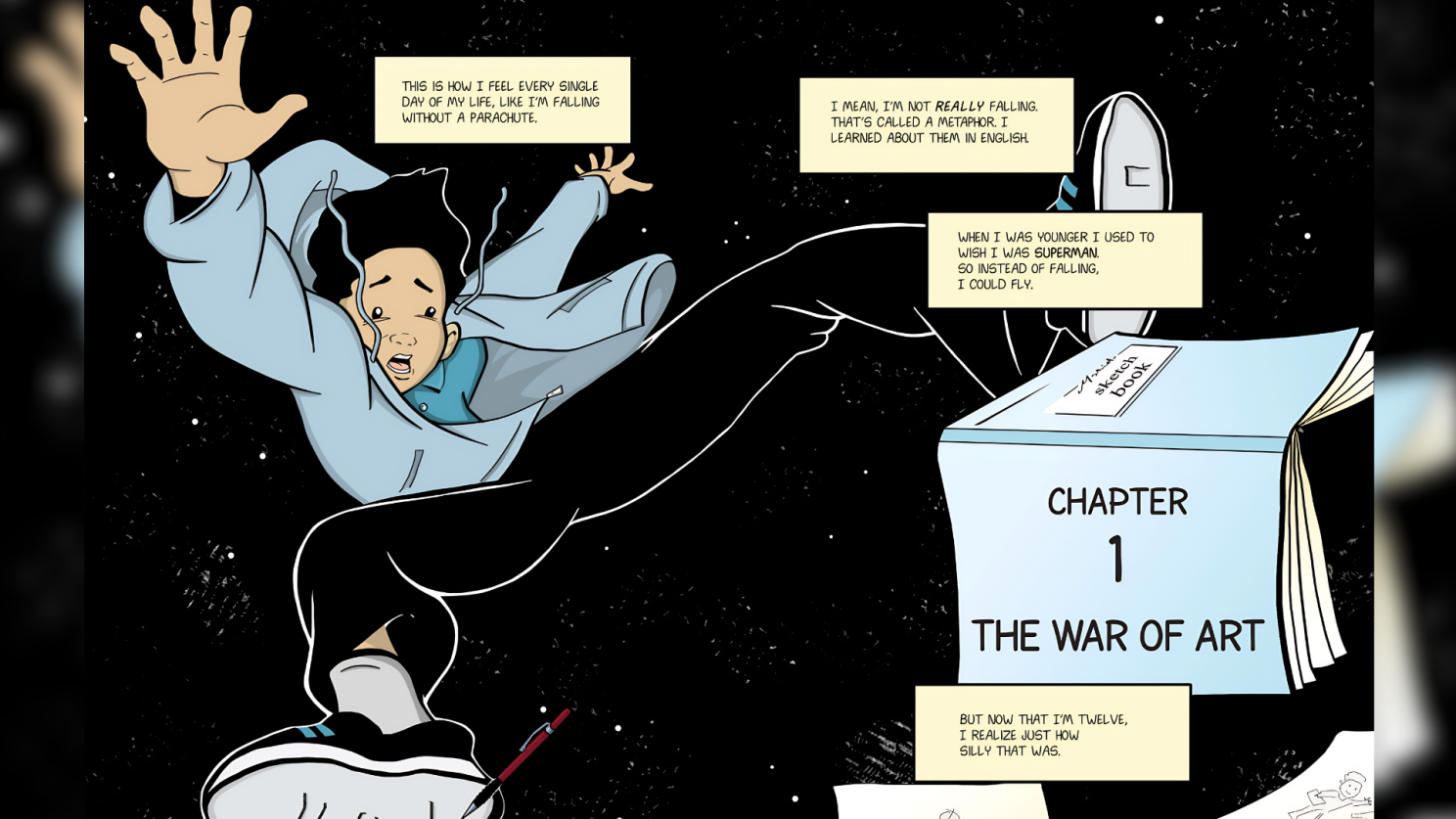
The benefits go even further. Comics can help readers with ADHD feel less intimidated by reading.
Bite-Sized Info: Long blocks of text often trigger executive dysfunction or visual fatigue for readers with ADHD. Panels break narratives into manageable micro-chunks, keeping the brain engaged.
Visual Stimulation: Dynamic, vibrant line work, paneling, and character reactions provide constant visual stimulation, satisfying the brain's need for feedback and helping maintain focus over longer sessions.
Dual Processing: By engaging both the visual and verbal processing centers at once, comics prevent the mind from wandering, leading to higher retention and deeper focus.
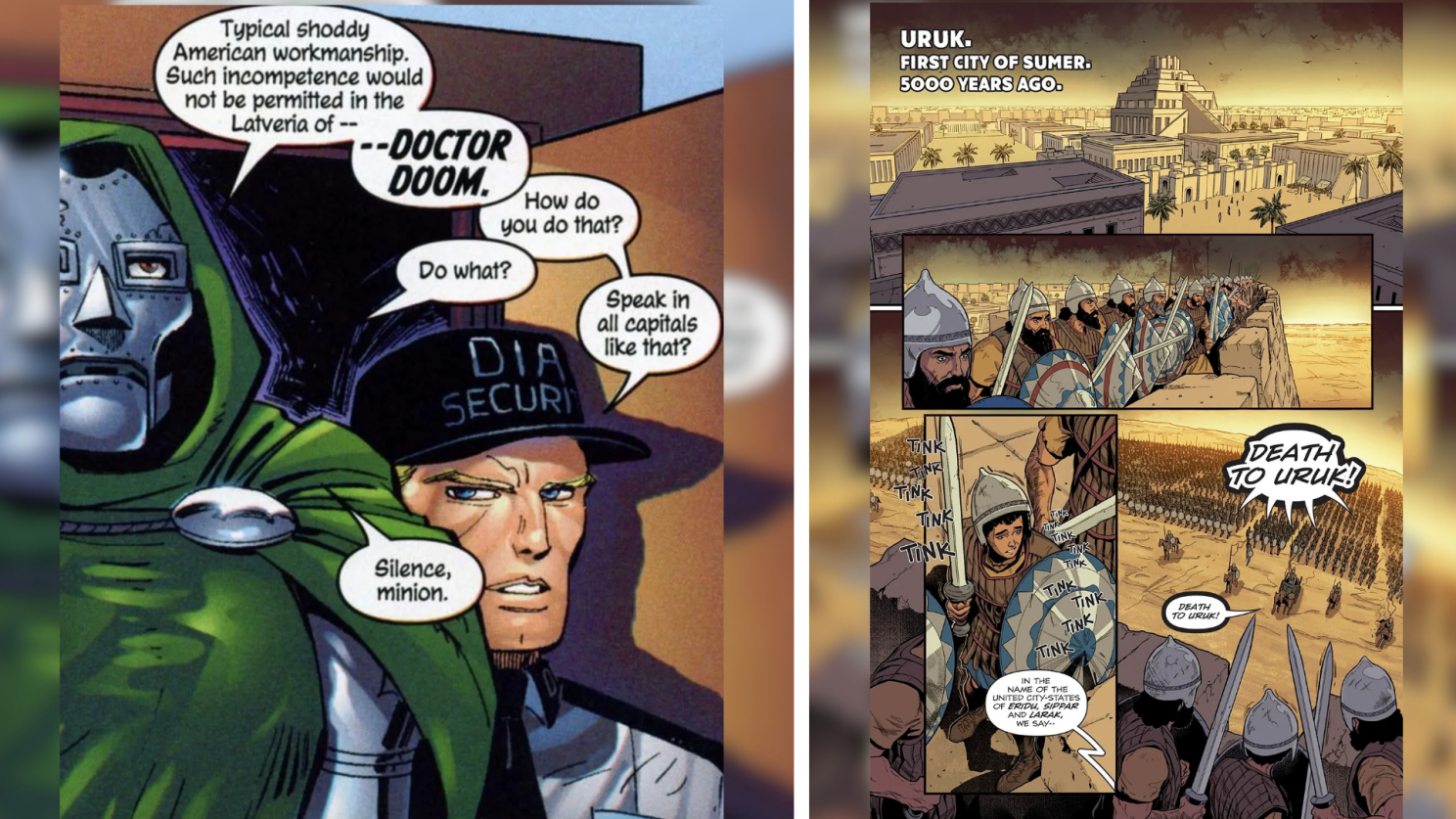
Lastly, comics can help children and individuals with dyslexia by removing barriers to deciphering text.
No “Text Wall”: Large blocks of text can trigger visual stress and word-blurring for dyslexic readers. Speech bubbles naturally enforce shorter lines and more concise phrasing.
Multimodal: Dyslexic readers often struggle with phonics. When art and text appear together, the visual layout provides immediate narrative context, so struggling to sound out a single word doesn't derail overall comprehension.
Text Styles: Comic art heavily uses typography (all-caps, bolded emphasis, spatial lettering), which helps dyslexic readers track character voices, inflection, and narrative hierarchy.
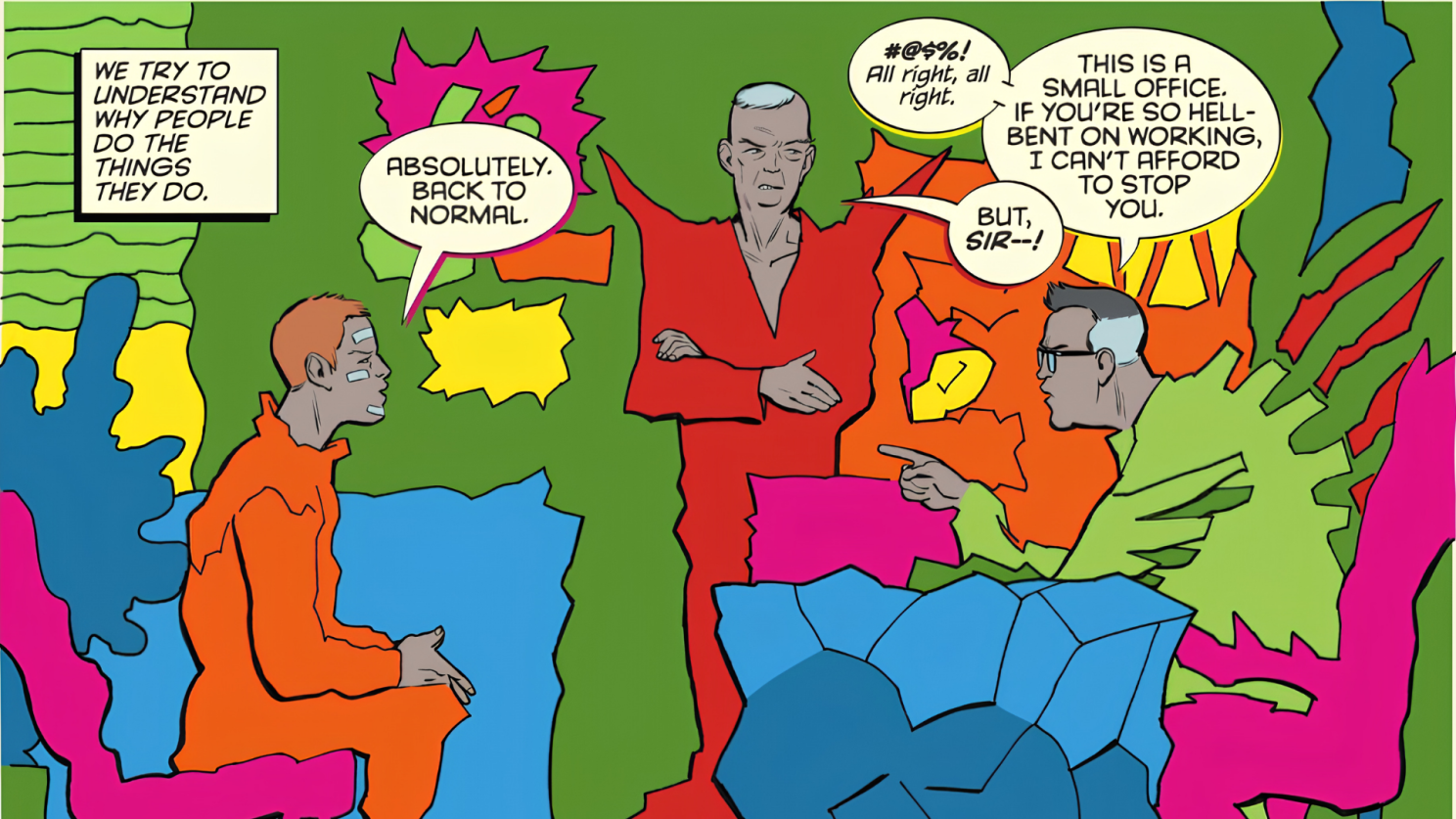
Remember That Marketing Requires Thought and Purpose
We are not just marketers covering a pop-culture event. We’re strategic storytellers, and it’s necessary to understand the visual psychology and cognitive impact of the media we amplify.
New York Comic Con brings fandoms together not only because of beloved IP, but because, for so many young individuals, comic books filled a need or offered a solution on a deeper cognitive, mental, and emotional level.
The power of comics isn't just entertainment; it's community, empathy, and connection. 💪 We love working with brands that align with our mission of building deeper connections, whether for B2C or C2C audiences.
Leave a reading rec in the comments, and pass it on!!