The silent shorthand: what television’s "grief reading" teaches us about audience trust
September 21, 2026
by
Insights from 1021 Creative
Is TV starting a reading revolution?
Part of our work at 1021 Creative is catching signals before the data notices. Lately, one of the clearest signals has been appearing in plain sight, albeit blurred, in the forefront of a scene: A book.
Take “Sterling Point,” Prime Video's summer hit about two half-sisters piecing together their late mother's life on a Canadian lake island. The books in that show are everywhere, and they don’t appear to be accidental or just props.
Character Work in the Margins
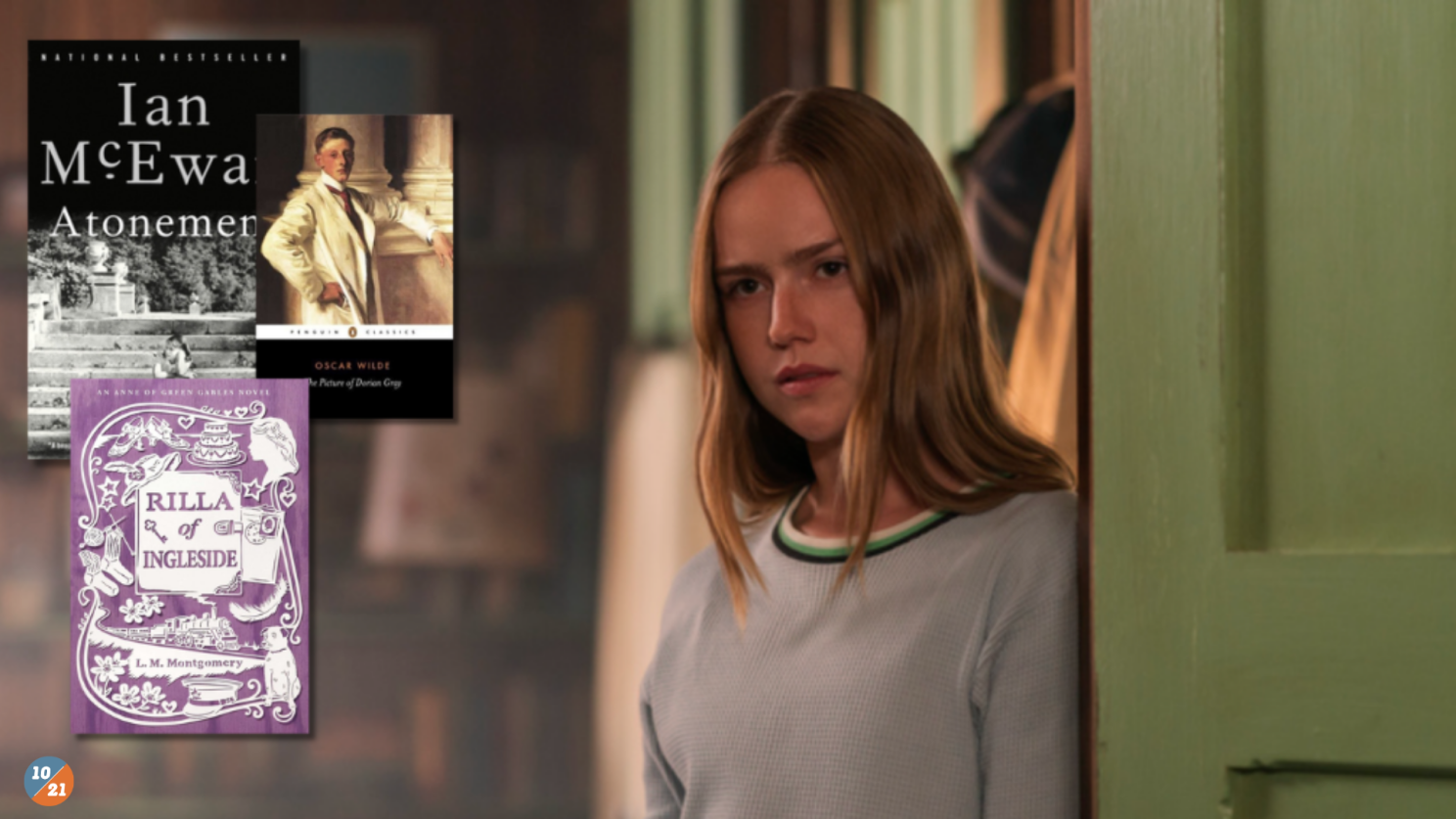
Ramona snaps at Annie for interrupting her "grief reading." The books she’s seen reading in various scenes lean toward coming-of-age stories about young women discovering they were the heroines all along.
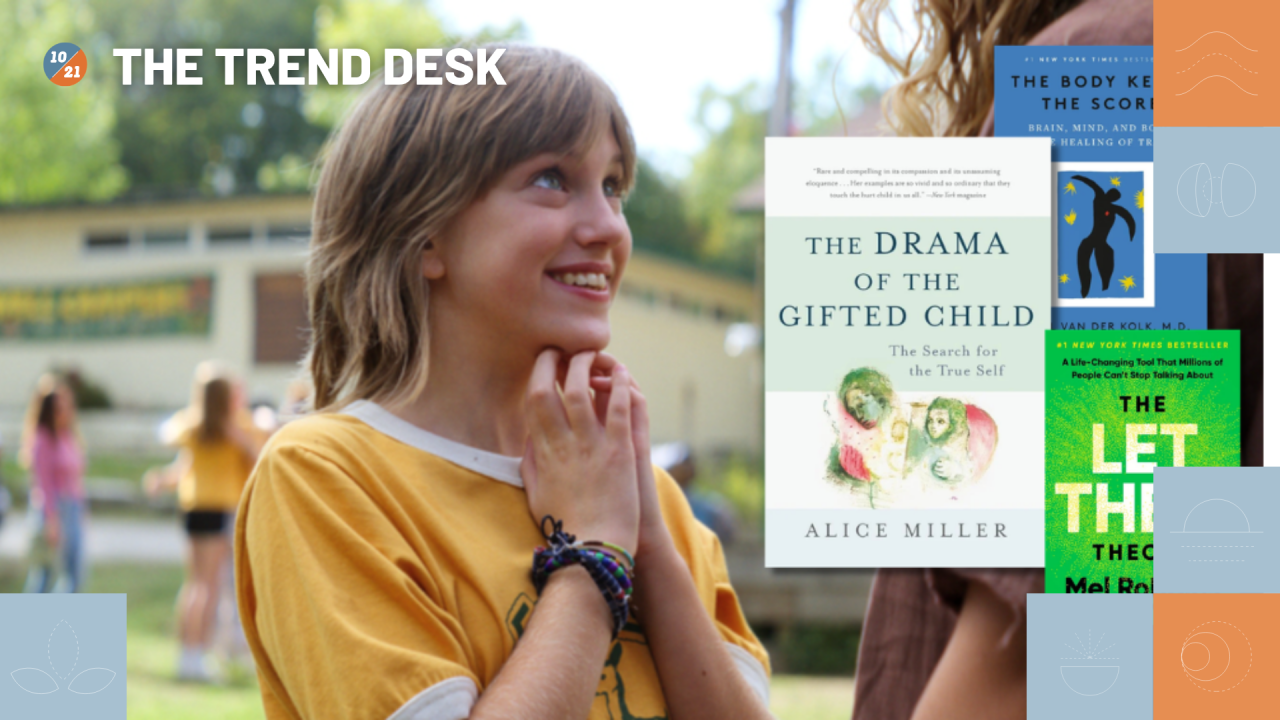
Twelve-year-old Maple walks around clutching Mel Robbins and trauma theory books like other kids clutch a stuffed animal. On visiting day, she practically levitates at the sight of a stack of The New Yorker back issues, sighing, "long-form journalism.”
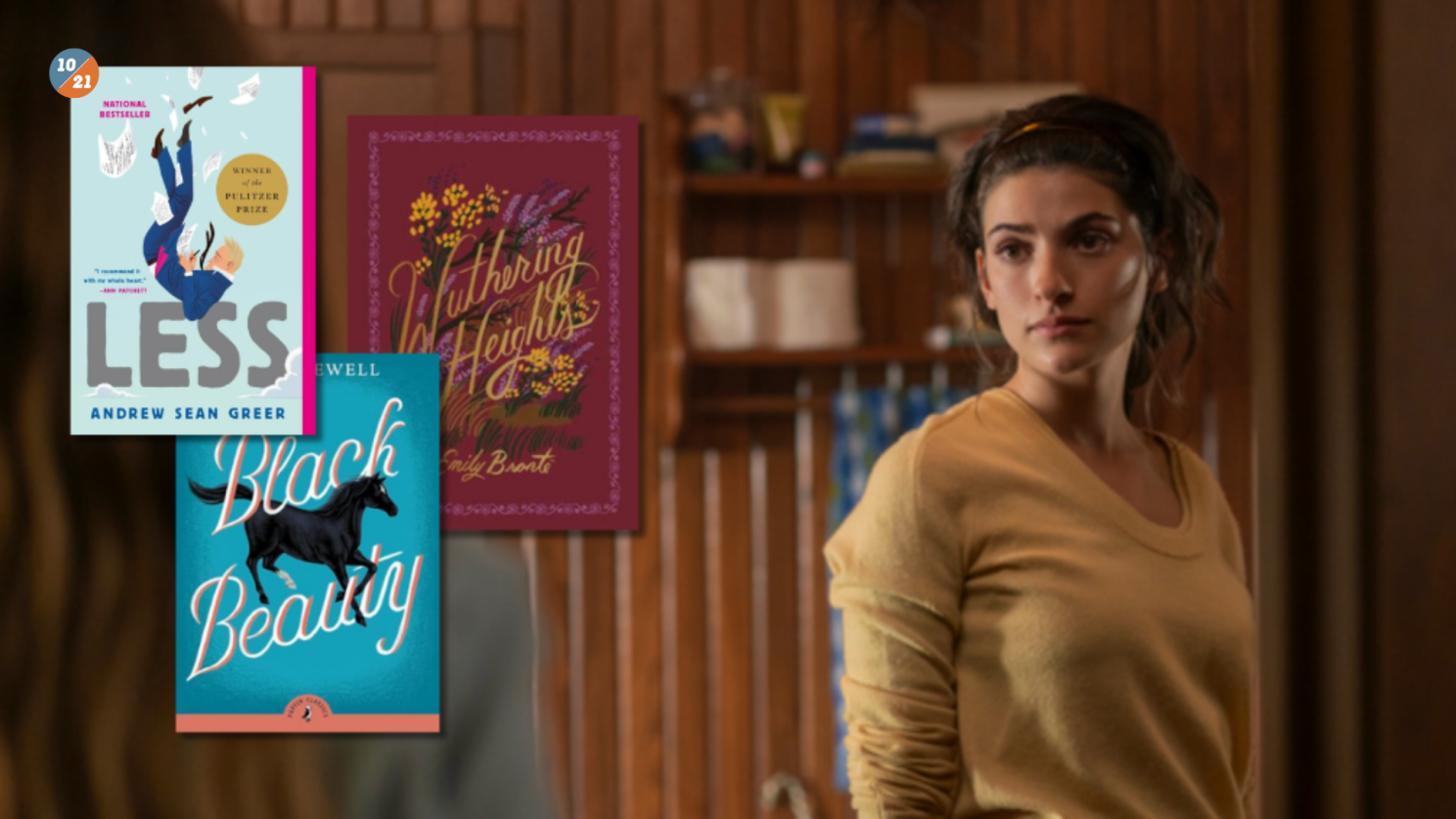
Annie, the sister arriving from New York, reads across genres with the restless curiosity of someone who has always been more interested in other people's lives than her own.
This is all excellent character work done in the margins, and it rewards the viewer who pays close enough attention to read the room.
The Craft of the Unspoken
Television has always used objects to establish identity before dialogue catches up. What feels different now is the specificity, and the confidence that audiences will do the decoding.
A show can hand a character a title from Alice Munro or Ian McEwan and trust that a meaningful slice of its audience will clock the reference, sit with it, and go looking for the book afterward. That is a bold bet on an audience's literacy and patience that television has historically been hesitant to make.
A single well-chosen title does the heavy lifting of an entire scene of exposition, without a single line of dialogue.
We see two distinct dynamics at play here:
- A Cultural Mood: Audiences are screen-fatigued, hungry for something slower and more absorbing than another endless scroll. Book clubs are experiencing a non-performative resurgence.
- Deliberate Craft: Someone in that writers' room, or that prop department, is building a reading list for a character the way a stylist builds a wardrobe, choosing titles for what they reveal rather than what looks good on a shelf.
In other words, Ramona's books exist because a young woman who lost her mother would spend her nights inside stories about finding her true identity. Maple clutching trauma theory books at 12 is not a joke about precocious children; it is a quiet, devastating way of showing that this child has had to parent herself.
The Signal for Brands and Storytellers
From a cultural intelligence standpoint, this reveals how audiences want to receive meaning right now.
A well-placed book is a signal that respects the viewer instead of explaining itself to them. It operates as the opposite of a scene that forces an emotion through heavy score and dramatic close-ups. It trusts the audience.
That kind of trust is rare in an entertainment landscape that constantly over-explains itself. The book becomes a piece of silent, specific cultural shorthand between the storyteller and the people paying close attention. This creates a rare form of intimacy that every brand and platform is chasing.
We are hesitant to label this a full-blown reading revolution. However, television is rediscovering a truth publishing has always understood: what a person reads is one of the most honest reflections of who they are. Long before algorithms profiled us by our watch history, we profiled each other by what was sitting on the nightstand.
Television did not invent this hunger for literature — it simply recognized a shift already underway and brought it into the frame. That is the exact type of cultural signal we exist to decode before it becomes obvious to everyone else.