Beyond the prompt: is there a place for AI in human creativity?
October 22, 2026
by
Scott Bradbrook
Beyond the sense of unease that artificial intelligence is creating, the early days of generative AI content were filled with an abundance of curiosity-driven content experimentation. Creators and brands alike embraced both short- and long-form videos produced with various AI tools, flooding the online landscape with what many regard as “slop” or “brainrot” content.
With more and more content consumers developing an acute filter to low-effort, solely AI-generated media, it is my hypothesis (and perhaps hope) that the novelty of simple, single-prompt media is sharply diminishing, even as new models and tools continue to grow.
By positioning artificial intelligence as a collaborative assistant, creative minds are heeding this call to action by playing a more active role in content production alongside their AI tools.
Crafting a New Visual Language
Rather than relying on complex algorithms and generative tools alone, creators are getting more involved in the production of both long- and short-form videos. With attention becoming the new commodity of the online content ecosystem, creators are beginning to treat advanced software as an assistant that manages production scaffolding, leaving space for the raw human creativity and skill to steal the spotlight.
More specifically across the Asia-Pacific region, digital artists, musicians, and video editors are leading the charge with next-level YouTube content. By blending traditional video formats and artistic disciplines with AI-forward thinking and efficiency, creator communities are pushing the boundaries of creativity in our hyper-digital age.
Let’s take a look at some of the latest media trends that are redefining the human-machine relationship for creators and viewers across APAC:
Web-slinging Superheroes
Honouring the days of playing pretend in schoolyards and letting childhood imagination run rampant, creators are using AI to bring their superhero fantasies to life. Generative tools are helping wannabe-heroes take one step closer to saving the world (in theory), editing and enhancing real footage to give creators immersive extraordinary powers.
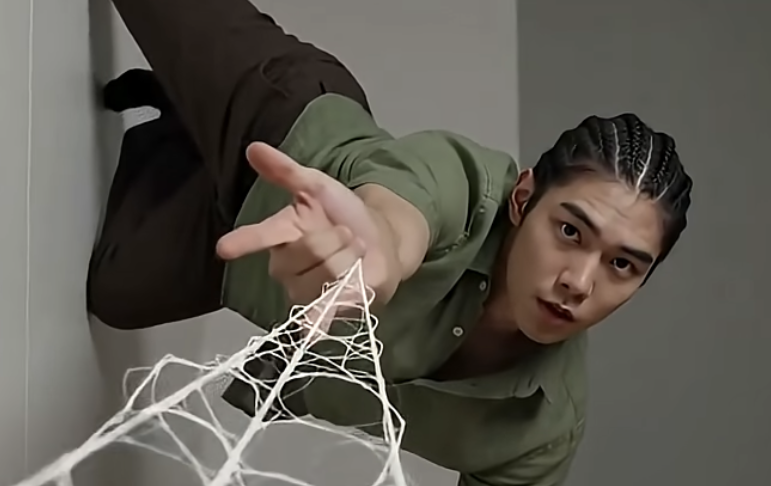
Inspired by Marvel’s latest hit film “Spider-Man: Brand New Day”, AI tools are helping Korean creators add a greater level of depth to the viral ceiling-sticking illusion trend. From web effects to full-body acrobatics, generative tools are bridging the gap between everyday people and their superhero alter egos.
Coming Together for Comedy
Pioneered by creators like TV Tokyo AI Academy in Japan, recent content is highlighting a new side of both comedy specialists and AI chatbots. From a series of challenges pitting a comedian against a chatbot to using Gemini for ideating on-stage routines, creators are pushing the limits of humour with AI, putting a unique twist on traditional comedy roles like the fool and the voice of reason. LLM chatbots are arguing absurd premises, playing along with humorous bits, and even guiding entire conversations, suggesting the future of online comedy isn’t as binary as we might assume.
Food Inspir(AI)tion
Who’s hungry for some glass pancakes? How about cooling off your sweet tooth with glacial desserts? Blurring the line between artificial and real foods, Indonesian creators are putting their cooking skills and kitchen experiences to the test by attempting to recreate AI-generated food ideas in real life. Many creators place themselves in front of the camera alongside their AI-inspired references, with some even ideating entire recipes with different chat models. The varying levels of symmetry between AI-generated inspiration and the real-world dishes stands as a testament to creators’ skills, ultimately elevating the role of AI in forwarding and testing human creativity.
Embracing unique regional nuances and professional experiences to collaborate with various AI tools, creators engaging with these trends are exploring greater depths of creativity. While generative AI is best suited to optimizing production processes, human imagination adds a distinct taste, rhythm, and emotional hook that viewers can authentically connect and empathise with.
At the end of the day, if creators seek to attract human interest, content must retain that feeling of being human.
What does this mean for brands and platforms?
The shift in how AI is both used and viewed is having a massive impact on the online creative landscape. For platforms and brands alike, maintaining cultural relevance lies beyond endorsing emerging technologies as a single source of truth for production. Viewing these developing tools as a means of reducing costs or automating production workflows is a fast track to digital irrelevance.
Viewers are after something they can relate to, empathise with, and see themselves in. Hence, the messy, unpredictable nature of human connection remains at the forefront of what audiences are looking for. Using AI tools to reduce operational friction frees up the mind to focus entirely on artistic expression. As such, content should be made for humans by humans with the support of AI tools, presenting brands and platforms with the opportunity to support initiatives that empower creators to expand their skill sets and experiences without backspacing their individuality.
Navigating the shift
If we are to avoid the rise of the terminators or ensure we don’t find ourselves in a “Blade-Runner”-esque dystopia, we must begin viewing AI technology as a collaborative partner. As we venture into a new age of content, creators are showing the staying power of human creativity in the face of technological advancement.
The future of digital storytelling is paved with a hybrid approach to content creation. While AI tools can analyze patterns, collate research, and generate graphics at unprecedented speeds, they still lack the ability to feel, subvert expectations, or understand what it is to be human.
So, until an artificial intelligent vacuum can tell a genuinely funny joke or a human can show me what I would look like in the ‘80s in five seconds, it’s up to us to bridge the divide between human and AI.